 Pin It
 There's something almost magical about the moment black currants transform from a dark, jammy pulp into something light and crystalline on your tongue. My first granita happened by accident, really—I'd overestimated how much sorbet base I could churn, and rather than waste it, I poured the mixture into a shallow pan and forgot about it for a bit. Four hours later, armed with nothing but a fork and curiosity, I discovered this gloriously simple Italian technique that somehow felt more elegant than any machine could produce.
I'll never forget serving this to my neighbor on a sweltering July afternoon when her kids came running over complaining about the heat. She tasted a spoonful and actually closed her eyes—not in the performative way people do, but genuinely lost in the moment. That's when I realized granita isn't just cold dessert; it's a small act of kindness on a day when nothing else sounds appetizing.
Ingredients
- Black currants (500 g fresh or frozen): These dark berries are the soul of the dish, delivering a bold, slightly tart flavor that's nothing like their red cousins—if you can't find them, blackberries work in a pinch, though you'll lose that distinctive sharpness.
- Granulated sugar (150 g): This sweetens without overshadowing the fruit's natural edge; resist the urge to add more unless you like your granita syrupy rather than refreshing.
- Water (400 ml): The blank canvas that lets the currants shine, keeping the texture light and the flavor pure.
- Freshly squeezed lemon juice (1 tablespoon): A squeeze of acid that brightens everything and makes you wonder why more people don't use it instinctively in frozen desserts.
Tired of Takeout? 🥡
Get 10 meals you can make faster than delivery arrives. Seriously.
One email. No spam. Unsubscribe anytime.
Instructions
- Prepare your currants:
- Rinse fresh black currants under cold water and gently pull them from their stems—frozen ones can go straight into the pot, no thawing needed. This small moment of care makes the whole process feel less mechanical.
- Build the base:
- Combine currants, sugar, and water in a medium saucepan and bring it to a gentle simmer over medium heat, stirring now and then. You're looking for the berries to burst and release their juice, turning the liquid a deep purple-black—about 10 minutes total.
- Cool and blend:
- Let the mixture rest for a few minutes until it's warm but no longer steaming, then blend it smooth using whatever tool you have handy. The texture should be completely uniform with no visible berry bits remaining.
- Strain for elegance:
- Pour the blended mixture through a fine-mesh sieve into a large bowl, pressing gently with the back of a spoon to extract every drop of juice. Discard the solids—this step is what gives granita its silky, seedless mouthfeel.
- Add the final note:
- Stir in the lemon juice and taste; it should taste slightly too sweet and slightly too tart, because freezing will dull both sensations and balance them perfectly.
- Freeze with intention:
- Pour the strained mixture into a shallow metal baking dish—the shallow pan is essential, as depth prevents the granita from forming those delicate ice crystals. Place it in the freezer and set a timer for 45 minutes.
- Scrape and repeat:
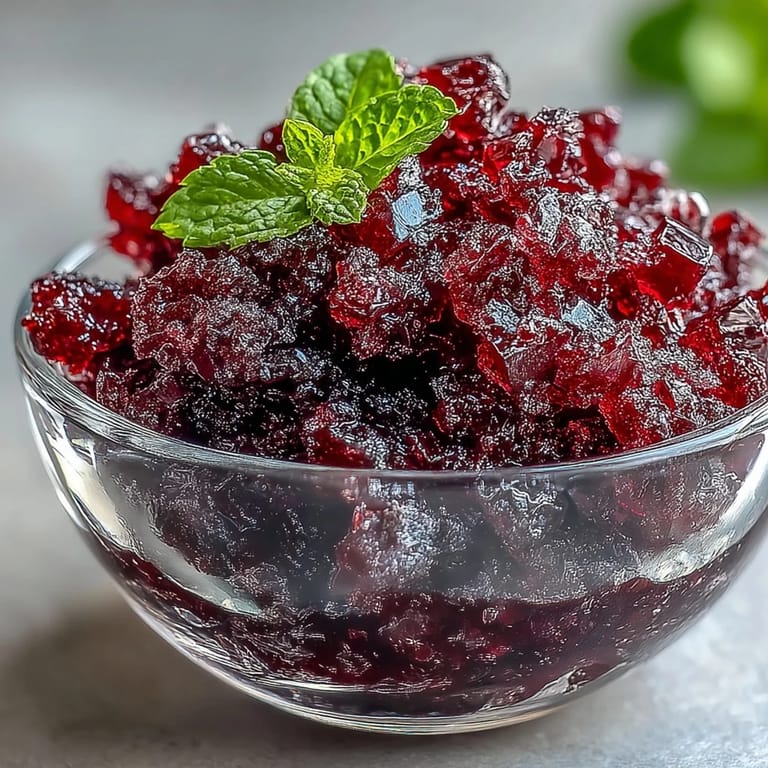
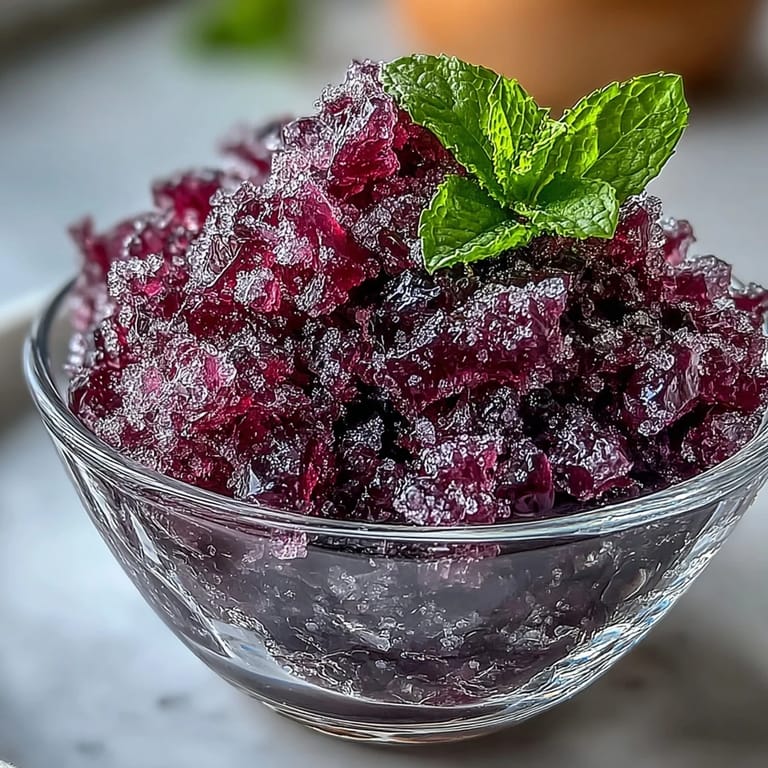
- After 45 minutes, use a fork to break up the icy edges and drag the semi-frozen mixture from the sides toward the center, creating small, fluffy ice crystals. Return it to the freezer and repeat this process every 30 to 45 minutes for about 4 hours total, until the whole thing resembles wet sand or shaved ice.
- Serve immediately:
- Granita is best served the moment it reaches that perfect crystalline texture, scooped into chilled glasses or shallow bowls. It melts quickly, which is exactly why it should be eaten right away.
 Pin It
 There's a quiet satisfaction in standing at an open freezer door with just a fork, breaking up ice crystals and watching the mixture slowly transform. It's meditative in a way that most cooking isn't, and somehow that simple repetition made me appreciate the patience required to make something truly excellent.
The Adult Version
If you want to add a sophisticated edge, stir in 2 tablespoons of crème de cassis or black currant liqueur just before pouring into the baking dish. The alcohol lowers the freezing point slightly, so you might need an extra 30 minutes of time, but it adds a luxurious depth that makes this feel like something served at an upscale dinner party.
Why Metal Matters More Than You'd Think
The difference between a shallow metal baking dish and anything else is honestly the difference between granita and disappointment. Metal conducts temperature evenly and quickly, which means your mixture freezes in that perfect window where ice crystals stay small and delicate. Glass and ceramic insulate too much, leaving you with either slushy centers or over-frozen edges.
Serving and Storage
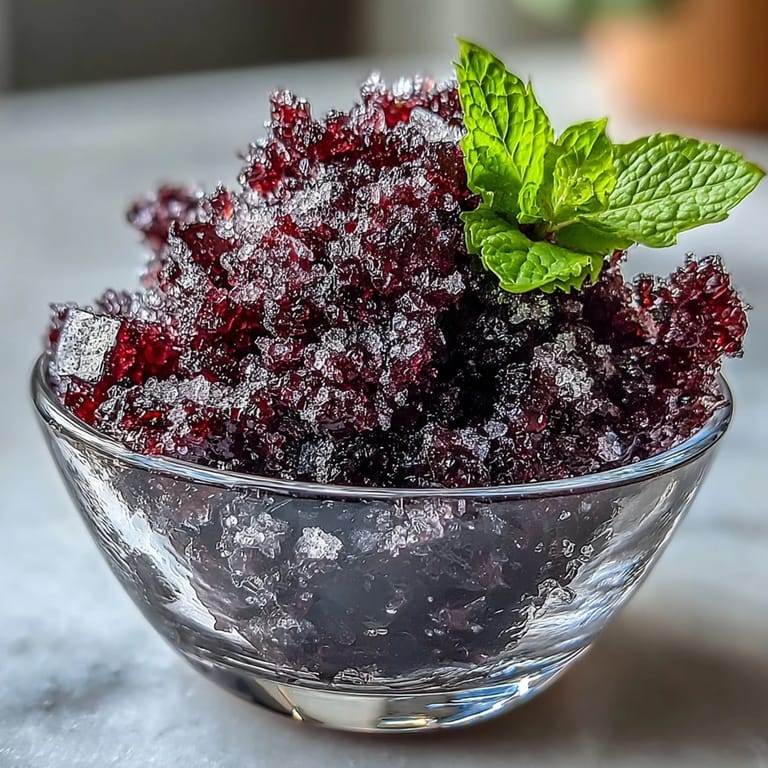
Granita is best enjoyed the day it's made, served in glasses that have been chilling in the freezer for at least 15 minutes. If you've made it ahead and need to serve it later, simply give it a quick fluff with a fork before scooping—it keeps beautifully for up to 2 days if covered loosely with plastic wrap. A light garnish of fresh mint or a few whole black currants on top adds visual grace without fussiness.
- Always serve granita in pre-chilled glasses or bowls so it melts slowly on your tongue rather than in your hand.
- If you're freezing it for longer storage, cover it with plastic wrap to prevent it from absorbing freezer flavors.
- The moment it comes out of the freezer is the moment it's perfect—don't wait more than a minute or two before serving.
 Pin It
 This is the kind of dessert that makes people pause mid-summer and say thank you without needing a reason. It's simple enough to feel casual but special enough to feel intentional, which is perhaps the best kind of cooking there is.
Recipe FAQs
- → What is granita?
Granita is a traditional Italian frozen dessert made from sugar, water, and flavorings. Unlike ice cream or sorbet, it has a coarse, crystalline texture achieved by repeatedly scraping the mixture as it freezes, creating fluffy ice crystals.
- → Can I use frozen black currants?
Absolutely! Frozen currants work beautifully and are often available year-round. There's no need to thaw them before cooking—simply add them directly to the saucepan with the sugar and water.
- → How long does homemade granita last?
Properly stored in an airtight container, your granita will maintain its texture and flavor for up to 2 days in the freezer. Before serving, give it a quick fluff with a fork to restore the crystalline texture.
- → Why do I need to scrape the mixture repeatedly?
Regular scraping every 30-45 minutes breaks up large ice crystals as they form, creating granita's signature fluffy, crystalline texture. Without this step, you'd end up with a solid block of fruit ice rather than the delicate, spoonable dessert.
- → Can I reduce the sugar?
You can slightly reduce the sugar, but keep in mind that sugar helps create a smoother texture and prevents the granita from freezing too solid. For best results, don't reduce it by more than 20-30 grams.
- → What other fruits work well for granita?
Granita is incredibly versatile. Try making it with berries, stone fruits like peaches or plums, citrus fruits, melon, or even coffee. The method remains the same—simmer, puree, strain, and freeze with periodic scraping.