 Pin It
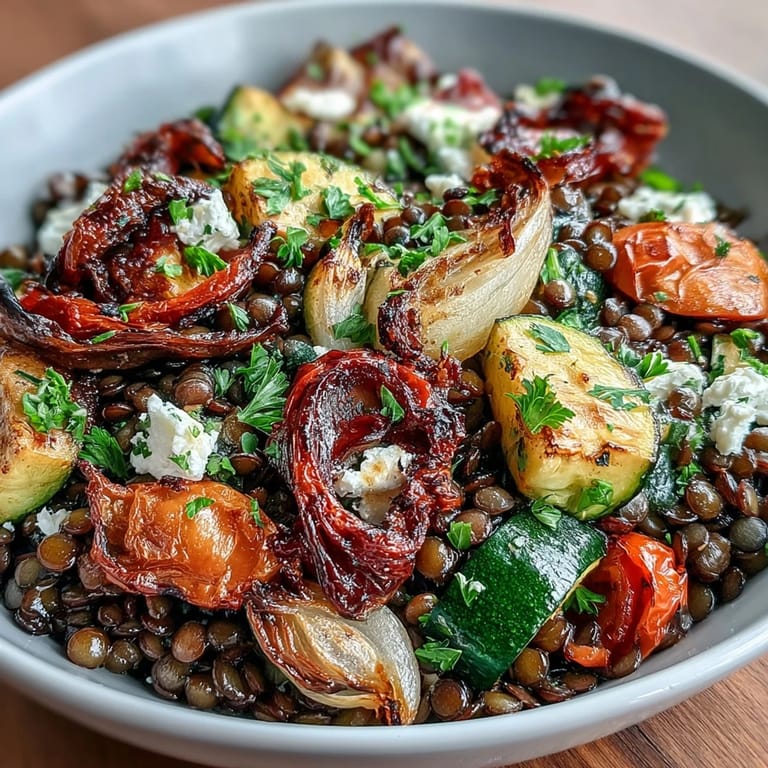
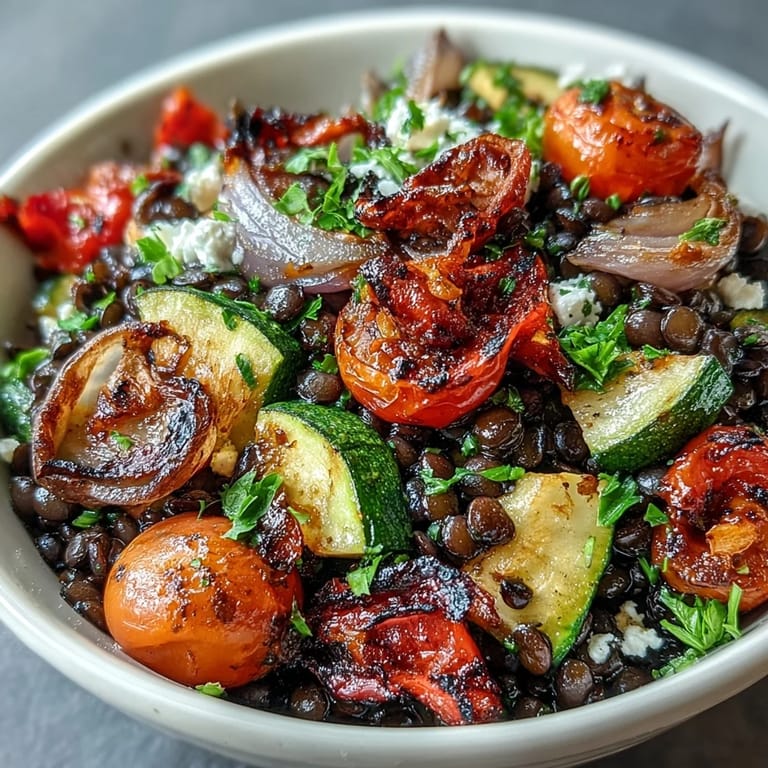
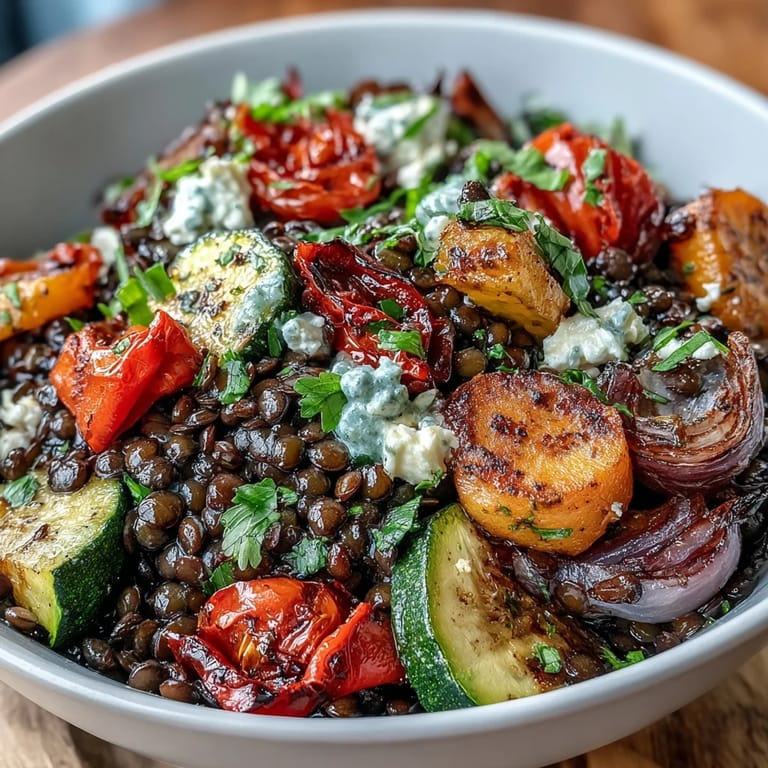
 There's something about black lentils that caught me off guard the first time I cooked with them properly. I'd grabbed a bag at the market thinking they'd behave like regular lentils, but they held their shape with such dignity, staying whole while others turned to mush. That afternoon, I tossed them with roasted vegetables still warm from the oven and drizzled everything with a bright lemon dressing, and suddenly lunch felt like something worth slowing down for. It's become the kind of salad I make when I want to feel nourished without any fuss.
I made this for a friend who'd just started trying to eat more plant-based meals, and watching her surprise at how satisfying it felt, how she kept coming back for more, reminded me that good food doesn't need to announce itself. She mentioned the crunch of fresh parsley against the soft lentils, the way the mustard in the dressing gave everything a little backbone. That's when I realized this salad works because every component actually matters.
Ingredients
- Black lentils (beluga lentils), 1 cup: These hold their structure like little jewels, unlike brown lentils that tend to collapse; rinsing them first removes excess starch and prevents the cooking water from becoming too thick.
- Water, 3 cups: Just enough to cook the lentils evenly without drowning them; don't skimp or you'll end up with crunchy centers.
- Bay leaf, 1: A small gesture that adds warmth to the background without announcing itself too loudly.
- Salt for lentils, ½ tsp: Add this while the lentils are still warm so they actually absorb the flavor rather than just sitting on the surface.
- Red bell pepper, 1 medium, diced: The natural sweetness deepens when roasted, turning almost jammy at the edges where they catch the heat.
- Zucchini, 1 medium, diced: Cut into similar-sized pieces so everything roasts evenly; uneven pieces mean some burn while others stay pale.
- Red onion, 1 small, cut into wedges: The wedges caramelize more dramatically than thin slices, and their bite softens beautifully in the oven's heat.
- Carrot, 1 small, diced: A touch of natural sweetness that bridges the earthiness of lentils with the brightness of everything else.
- Olive oil for roasting, 2 tbsp: Don't be tempted to skimp; the vegetables need enough oil to actually caramelize rather than steam.
- Black pepper and salt for vegetables, ½ tsp each: Season generously before roasting so flavors concentrate as water evaporates.
- Cherry tomatoes, ½ cup, halved: Add these fresh and raw so they keep their acidity and snap, cutting through the richness of the roasted elements.
- Fresh parsley, ¼ cup, chopped: Adds a verdant brightness that prevents the whole thing from feeling heavy or too earthy.
- Feta cheese, 2 tbsp, crumbled: Optional but recommended; its sharp saltiness ties everything together like a punctuation mark.
- Extra-virgin olive oil for dressing, 2 tbsp: Use a good one here since it's tasted directly; cheap oil tastes thin and bitter when raw.
- Fresh lemon juice, 1½ tbsp: Freshly squeezed makes a real difference; bottled juice tastes flat and one-dimensional by comparison.
- Dijon mustard, 1 tsp: This emulsifies the dressing and adds a subtle sharpness that makes people say they can't quite identify what makes it taste so good.
- Garlic clove, 1, minced: Mince it fine and let it sit for a minute before mixing into the dressing so the raw bite softens slightly.
- Honey or maple syrup, ½ tsp: Just a whisper of sweetness to round out the lemon's punch; don't overdo it or the dressing becomes dessert.
- Salt and pepper for dressing, to taste: Taste as you go because the lentils and vegetables already have salt, and you're layering flavor, not starting from scratch.
Tired of Takeout? 🥡
Get 10 meals you can make faster than delivery arrives. Seriously.
One email. No spam. Unsubscribe anytime.
Instructions
- Heat your oven:
- Set it to 425°F (220°C) and let it preheat fully while you prep; a hot oven is what transforms vegetables from raw to caramelized instead of just cooked through.
- Prepare the vegetables:
- Toss your diced bell pepper, zucchini, red onion wedges, and carrot with olive oil, salt, and pepper on a baking sheet, making sure they're in a single layer with space between pieces. Crowding the pan steams them instead of roasting them, so resist the urge to pile everything in.
- Roast until golden:
- Slide them into the oven and roast for 25 to 30 minutes, stirring halfway through so everything gets equal heat and color. You're looking for lightly browned edges and tender insides, which usually takes about the full 30 minutes.
- Cook the lentils:
- While vegetables roast, bring water, lentils, and bay leaf to a boil in a saucepan, then immediately reduce heat and let them simmer gently uncovered for 20 to 25 minutes. Stir occasionally and taste around the 20-minute mark; they should be tender but still holding their shape, never mushy.
- Drain and season:
- When the lentils are done, drain them in a fine sieve and discard the bay leaf, then stir in the salt while they're still warm so it actually penetrates. Warm lentils absorb seasoning much better than cold ones.
- Make the dressing:
- In a small bowl, whisk together the olive oil, fresh lemon juice, Dijon mustard, minced garlic, and honey until it emulsifies slightly and tastes balanced. Taste it before you add it to everything; this is your chance to adjust the lemon or salt without having to fish through the whole salad.
- Bring it all together:
- Combine the warm lentils, roasted vegetables, fresh cherry tomatoes, and chopped parsley in a large bowl, then drizzle with dressing and toss gently so nothing gets crushed. Add crumbled feta if you're using it, folding it in at the last moment so the pieces stay intact.
- Serve and enjoy:
- This salad is excellent warm right out of the bowl, but it also tastes wonderful at room temperature after the flavors have had time to become friends with each other.
 Pin It
 My sister called while I was putting this together one Tuesday evening, and I told her what I was making just to describe the smell of caramelizing onions and roasting peppers coming from the oven. She asked if I'd save some for when she came by, and that simple request made me realize this dish works because it's generous, the kind of food that makes you want to feed people you care about. When she arrived and took the first bite, the first thing she said was that it tasted like care, which is exactly what I wanted.
Why Black Lentils Matter Here
Black lentils, sometimes called beluga lentils because of their dark, shiny appearance, are sturdier than their brown or red cousins. They maintain their shape and slight firmness even after cooking, which means your salad doesn't turn into a murky puree by the next day. I learned this the hard way after making a similar salad with regular brown lentils and finding it had transformed into something that looked less appetizing as time passed.
The Power of Room Temperature
Serving this salad at room temperature rather than cold or piping hot actually lets the flavors shine more clearly. Warm food dulls our taste buds slightly, and very cold food numbs them, but room temperature hits that sweet spot where every element comes through crisp and clear. I discovered this almost by accident when I made it ahead and forgot to put it in the fridge, and it turned out to be the better choice.
Making It Your Own
This salad is flexible enough to change with the seasons without losing its essential character. Summer calls for baby spinach or arugula stirred in at the end, while winter might welcome roasted chickpeas for extra crunch. The dressing can accommodate your preferences too; a touch more mustard if you like a sharper edge, or a drizzle of tahini if you want richness without dairy.
- Try adding pomegranate seeds or dried cranberries for bursts of tartness that cut through the earthiness.
- Swap the feta for goat cheese or skip dairy entirely if that's how you eat, and the salad still works beautifully.
- Make double the dressing and save the extra in a jar; it keeps for a week and tastes wonderful on simple greens or grain bowls.
 Pin It
 This salad has become my answer to that question of what to make when you want something that feels substantial but doesn't weigh you down. It's the kind of recipe that reminds you why cooking from real ingredients matters.
Recipe FAQs
- → What makes black lentils different from other varieties?
Black beluga lentils hold their shape beautifully during cooking, developing a tender yet firm texture that works perfectly in salads. Their earthy, slightly nutty flavor profile stands up well to robust seasonings and roasted vegetables.
- → Can I prepare this dish ahead of time?
Absolutely. This bowl actually improves after a few hours as the lentils absorb the zesty dressing. Store components separately in the refrigerator for up to 4 days, then combine when ready to serve.
- → What vegetables work best for roasting in this dish?
Root vegetables like sweet potatoes, beets, or parsnips add lovely sweetness. Brussels sprouts, eggplant, or butternut squash also complement the earthy lentils beautifully while maintaining texture after roasting.
- → How do I prevent lentils from becoming mushy?
Rinse lentils thoroughly before cooking and simmer them uncovered until just tender—about 20-25 minutes. Avoid overcooking and drain immediately to stop the cooking process, preserving their pleasing texture.
- → What proteins pair well with this Mediterranean bowl?
Grilled chicken, pan-seared salmon, or shrimp work wonderfully. For plant-based options, add chickpeas, hemp seeds, or a dollop of Greek yogurt to boost protein content naturally.
- → Can I use green or red lentils instead?
While possible, green and red lentils cook faster and become softer. If substituting, reduce cooking time significantly and expect a creamier texture rather than the distinct bite of beluga lentils.