 Pin It
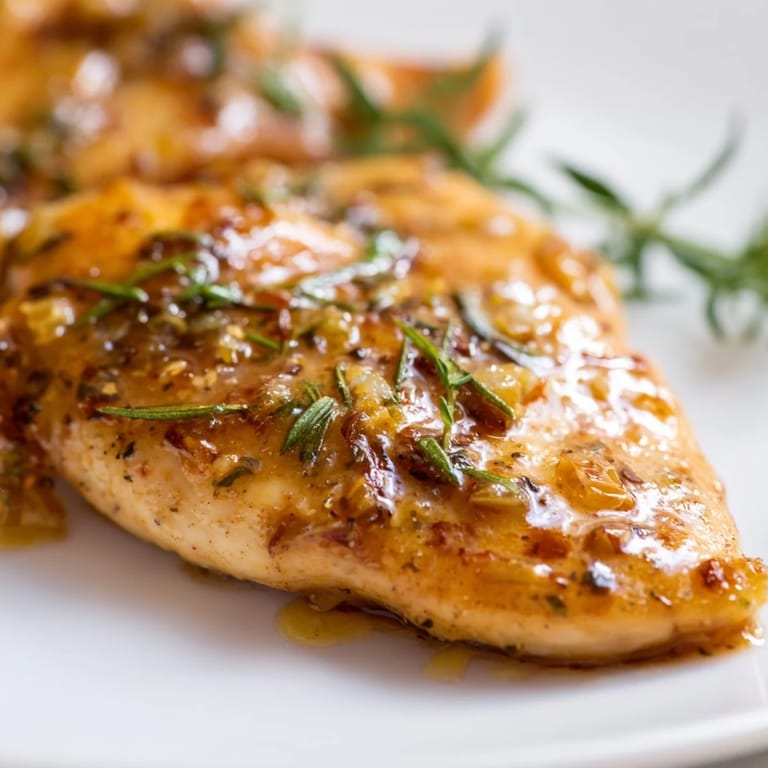
 Some Tuesday evenings refuse to cooperate, and this skillet came together on one of those nights when I had twenty minutes before everyone scattered again. The smell of garlic hitting that hot pan, followed by honey and mustard swirling into something golden, made my daughter lean over my shoulder and ask what smelled so good. I didn't have a name for it yet, just instinct and a few staples I knew played well together. By the time we sat down, the chicken was glossy and tender, and no one mentioned how tired we all were.
I made this for a friend recovering from surgery, doubling the batch and delivering it in a glass dish still warm from the oven. She texted me later that night saying her husband had scraped the skillet clean and asked if I'd written it down anywhere. That's when I realized I'd been winging it every time, adjusting by taste and texture rather than measuring carefully. Writing it down felt like pinning down something that had been living in my muscle memory, shifting slightly each time I cooked it depending on what the evening needed.
Ingredients
- Boneless, skinless chicken breasts (about 1½ lbs): Pat them dry before seasoning or they'll steam instead of sear, and that golden crust is where the flavor starts.
- Dijon mustard (1/3 cup): The backbone of the sauce, sharp and smooth, it mellows with heat but keeps its character.
- Honey (1/4 cup): Balances the tang without making things syrupy, and it helps the sauce cling to the chicken as it simmers.
- Whole grain mustard (2 tablespoons): Adds texture and a rustic bite that makes the sauce feel less like a glaze and more like something with a story.
- Garlic (3 cloves, minced): Sauté it just until fragrant or it'll turn bitter, thirty seconds is all you need before the liquids go in.
- Apple cider vinegar (1 tablespoon): Cuts through the richness and wakes up the other flavors, a little brightness that keeps things lively.
- Low sodium chicken broth (1/2 cup): Creates the base that lets everything simmer together, and low sodium means you control the seasoning.
- Fresh thyme (1 teaspoon) and rosemary (1 teaspoon, finely chopped): Woodsy and warm, they make the kitchen smell like you've been cooking all day even when you haven't.
- Kosher salt (1/2 teaspoon) and black pepper (1/4 teaspoon): Season the chicken before it hits the pan so every bite has a foundation of flavor.
- Olive oil (2 tablespoons): High enough smoke point for a good sear, and it doesn't compete with the sauce.
- Fresh parsley (optional, for garnish): A handful of green at the end makes it look intentional, and the freshness is a nice contrast to the rich sauce.
Tired of Takeout? 🥡
Get 10 meals you can make faster than delivery arrives. Seriously.
One email. No spam. Unsubscribe anytime.
Instructions
- Prep the chicken:
- Pat the chicken breasts dry with paper towels and season both sides with salt and pepper. Moisture on the surface will prevent browning, so don't skip this step even if you're in a hurry.
- Sear the chicken:
- Heat olive oil in a large skillet over medium high heat until it shimmers, then add the chicken breasts and let them sear undisturbed for 3 to 4 minutes per side until golden brown. Transfer the chicken to a plate, it's not fully cooked yet but that crust is locked in.
- Sauté the garlic:
- Reduce the heat to medium and add the minced garlic to the same skillet, stirring constantly for about 30 seconds until it smells toasty and fragrant. Don't let it brown or it'll taste harsh.
- Build the sauce:
- Stir in the Dijon mustard, whole grain mustard, honey, apple cider vinegar, and chicken broth, whisking until everything is smooth and combined. Bring it to a gentle simmer and watch it start to thicken slightly as the honey dissolves.
- Add herbs and return chicken:
- Stir in the thyme and rosemary, then nestle the seared chicken breasts back into the skillet and spoon some of the sauce over the tops. This is where everything starts to come together.
- Simmer covered:
- Cover the skillet and let it simmer for 10 to 12 minutes, or until the chicken reaches an internal temperature of 165°F. The sauce will infuse the chicken and everything will get tender and glossy.
- Thicken the sauce:
- Remove the lid, increase the heat slightly, and simmer uncovered for 2 to 3 minutes to reduce the sauce if it seems too thin. It should coat the back of a spoon.
- Garnish and serve:
- Sprinkle chopped parsley over the chicken and serve it straight from the skillet. The sauce pools around the chicken and begs for something to soak it up.
 Pin It
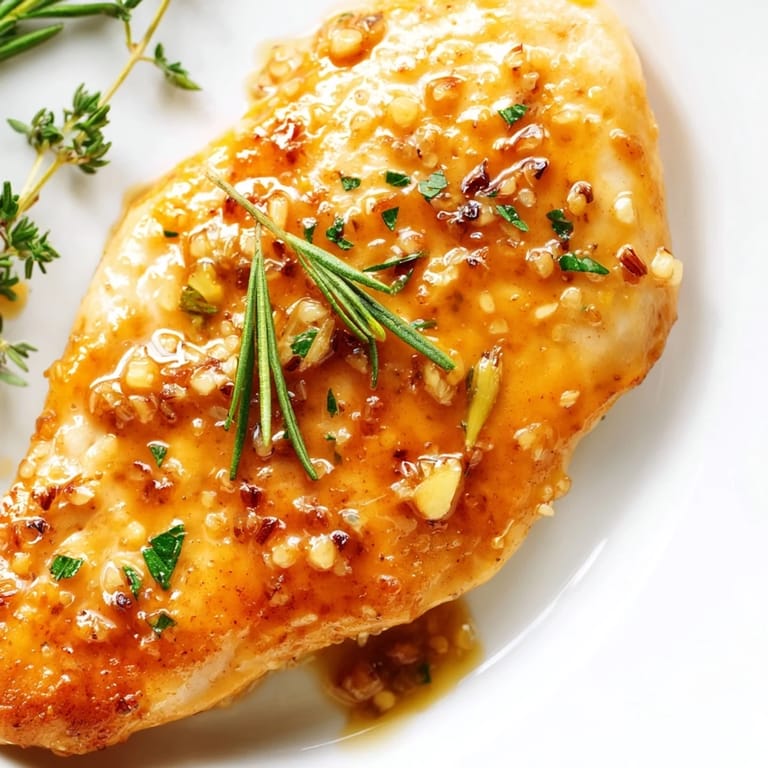
 My son, who usually picks at anything green or glazed, finished his plate without complaining and asked if we could have this again soon. That's the moment I knew this recipe had earned its place in the rotation. It's not fancy, but it feels generous, the kind of dish that makes an ordinary Wednesday feel a little more intentional, a little more like someone cared enough to make dinner taste good.
What to Serve It With
Rice is the easiest answer, white or brown, because it soaks up the sauce without competing for attention. Mashed potatoes turn it into comfort food, and roasted vegetables like Brussels sprouts or carrots add a caramelized sweetness that plays well with the honey. I've also spooned it over a pile of garlicky greens, and the bitterness of the wilted kale or chard balanced the richness in a way that felt almost virtuous. A crusty piece of bread for mopping up the last of the sauce never hurts either.
Making It Your Own
Chicken thighs instead of breasts make this even juicier and more forgiving if you overcook them slightly, just add a couple extra minutes to the simmer. For a creamier sauce, stir in two tablespoons of heavy cream at the very end and let it warm through without boiling. I've doubled the garlic when I wanted something bolder, and once I threw in a handful of spinach during the last few minutes just to sneak in some greens. If you can't find whole grain mustard, grainy brown mustard works, or just use all Dijon and add a pinch of mustard seeds for texture.
Storage and Reheating
Leftovers keep in an airtight container in the fridge for up to three days, and the chicken actually tastes better the next day after sitting in that sauce overnight. Reheat gently in a skillet over low heat with a splash of chicken broth or water to loosen the sauce, microwaving works but the sauce can separate a bit. I've shredded leftover chicken and tossed it with pasta or stuffed it into a wrap with some greens and a smear of the sauce, and it felt like a completely different meal.
- Slice cold chicken and layer it over a green salad with the sauce as a tangy dressing.
- Freeze individual portions in sauce for up to two months, thaw overnight in the fridge before reheating.
- If reheating from frozen, do it low and slow in a covered skillet to keep the chicken from drying out.
 Pin It
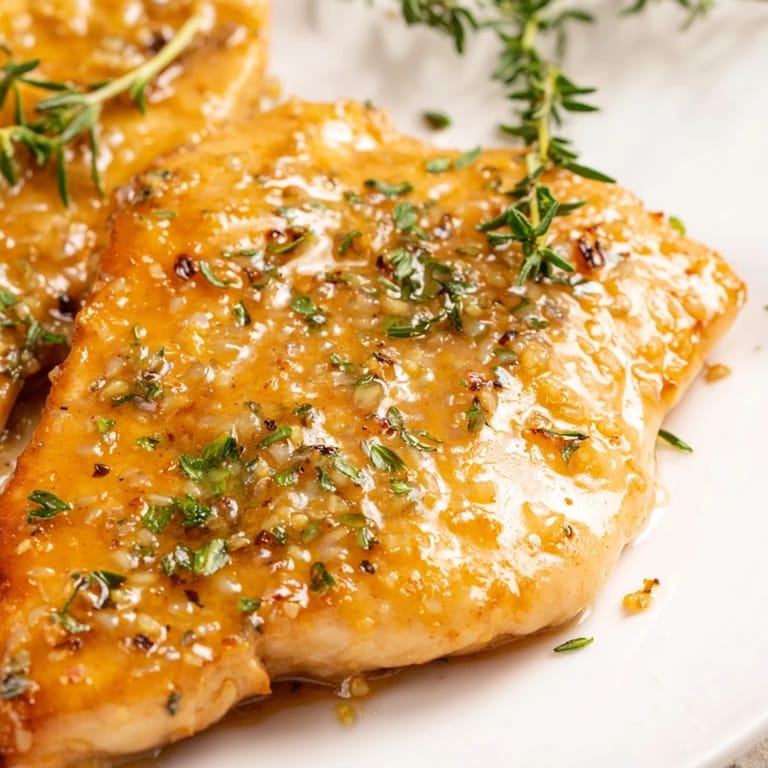
 This skillet has become my answer to evenings when I want something that feels like care without demanding too much of me. It's reliable in the way a good friend is, always there when you need it, never asking for more than you can give.
Recipe FAQs
- → How do I know when the chicken is fully cooked?
Use a meat thermometer to check that the internal temperature reaches 165°F (74°C) at the thickest part. The chicken should also be opaque throughout with no pink inside.
- → Can I use chicken thighs instead of breasts?
Yes, chicken thighs work beautifully and stay juicier during cooking. Add 2-3 minutes to the simmering time and ensure they reach the same internal temperature of 165°F (74°C).
- → What can I serve alongside this dish?
This pairs wonderfully with rice, mashed potatoes, or roasted vegetables. You can also serve it with egg noodles or crusty bread to soak up the delicious sauce.
- → How do I make the sauce creamier?
Stir in 2 tablespoons of heavy cream during the last minute of cooking. You can also use Greek yogurt or sour cream for a tangy variation, though add it off heat to prevent curdling.
- → Is this truly gluten-free?
As written, yes. However, always check your chicken broth and mustard labels, as some brands contain hidden gluten. Look for certified gluten-free versions for complete assurance.
- → Can I make this ahead of time?
You can sear the chicken and prepare the sauce mixture ahead, then combine and simmer just before serving for best results. The dish is best enjoyed fresh but stores well refrigerated for up to three days.