 Pin It
 The first time I truly understood zarb wasn't from a recipe—it was from watching my friend's grandmother dig into the earth behind her house in Amman, pulling back layers of hot sand to reveal this impossibly tender feast wrapped in foil, steam rising like something sacred. She laughed at how my eyes went wide, said the underground oven was the old way, the best way, but that my home oven would work just fine if I learned to be patient. I've made it dozens of times since, and every batch still feels like I'm unlocking some ancient secret, one slow hour at a time.
I made this for my partner on a cold February evening when we'd both had rough weeks, and something shifted when we lifted that foil and saw the golden vegetables nestled around perfectly bronzed meat. We didn't even wait for the rice, just loaded up our plates and sat there in this comfortable quiet, the kind that only happens when food is genuinely good and you're genuinely tired. That's when I realized zarb isn't just about technique—it's about creating space for things to matter again.
Ingredients
- Lamb shoulder or chicken pieces, bone-in (1.5 kg): Bone-in meat is non-negotiable here; it keeps everything moist and adds incredible depth to the broth that pools at the bottom.
- Olive oil (2 tbsp): Use good oil if you can, because it becomes part of the marinade's personality.
- Ground cumin (2 tsp): This is the backbone of the spice profile, warm and earthy.
- Ground coriander (2 tsp): It rounds out the cumin with something subtly sweet and floral.
- Ground cinnamon (1 tsp): A small amount adds mystery without announcing itself; resist the urge to add more.
- Smoked paprika (1 tsp): This is what gives the dish its whisper of that underground-oven smokiness even in a regular oven.
- Ground black pepper (1 tsp): Fresh-ground is worth the extra minute.
- Salt (2 tsp): Distribute it through the marinade now, not at the end; the meat needs time to absorb it.
- Garlic, minced (4 cloves): Mince it fine so it disappears into the oil and doesn't burn.
- Lemon juice (1 juice): This brightens everything and starts breaking down the protein.
- Potatoes, quartered (3 large): Cut them bigger than you think necessary; they'll soften beautifully without dissolving.
- Carrots, chopped (3 large): Again, keep them chunky so they hold their shape and texture.
- Onions, quartered (2 medium): They'll nearly melt into the broth, thickening it naturally.
- Zucchini, thick rounds (2 medium): Add these if you like them slightly tender-firm; they don't need the full cooking time.
- Bell peppers, red and green (1 each): Both colors add sweetness and look beautiful on the platter.
- Tomatoes, quartered (2 medium): They break down slightly and add acidity that balances the spices.
- Long-grain rice, rinsed (2 cups): Rinsing removes starch so it cooks fluffy instead of gluey.
- Chicken or vegetable broth (3 cups): Homemade is lovely, but good store-bought works too.
- Butter or olive oil (1 tbsp): For the rice; I use oil to keep it lighter.
Tired of Takeout? 🥡
Get 10 meals you can make faster than delivery arrives. Seriously.
One email. No spam. Unsubscribe anytime.
Instructions
- Build your marinade:
- In a large bowl, whisk together the olive oil, cumin, coriander, cinnamon, paprika, pepper, salt, minced garlic, and lemon juice until it's fragrant and uniform. This should smell like warmth itself.
- Marinate the meat:
- Add your meat to the bowl and massage the marinade in with your hands, making sure every piece gets coated. Cover and refrigerate for at least an hour, though overnight is genuinely better—the flavors deepen and the meat starts relaxing.
- Prep the vegetables:
- While the meat sits, peel and cut your vegetables. Keep them chunky; they need to hold up to the long cook and maintain their individual texture.
- Heat your oven:
- Preheat to 180°C (350°F) about 30 minutes before you're ready to cook, so it's properly stable when you put the tray in.
- Arrange on the tray:
- Spread the marinated meat pieces out on a wire rack set over a large roasting tray, or directly on the tray if you don't have a rack. The idea is to let juices collect below.
- Season and arrange vegetables:
- In a separate bowl, toss all the vegetables with a little olive oil, salt, and pepper. Arrange them around the meat and underneath, nestling them in so they'll catch all those juices.
- Seal it all in:
- Cover the entire tray tightly with foil, pressing the edges down firmly. If you're feeling authentic, wrap everything in banana leaves first for extra flavor, then foil to seal. This traps every bit of steam and aroma.
- Slow cook with patience:
- Bake for 2.5 hours without peeking. Yes, the smell will torture you around hour two. That's when you know it's working.
- Make rice if serving:
- While everything bakes, combine rinsed rice, broth, butter or oil, and salt in a saucepan. Bring to a boil, then immediately reduce heat to low, cover tightly, and simmer for 15–20 minutes until the rice is fluffy and the liquid is absorbed.
- The reveal:
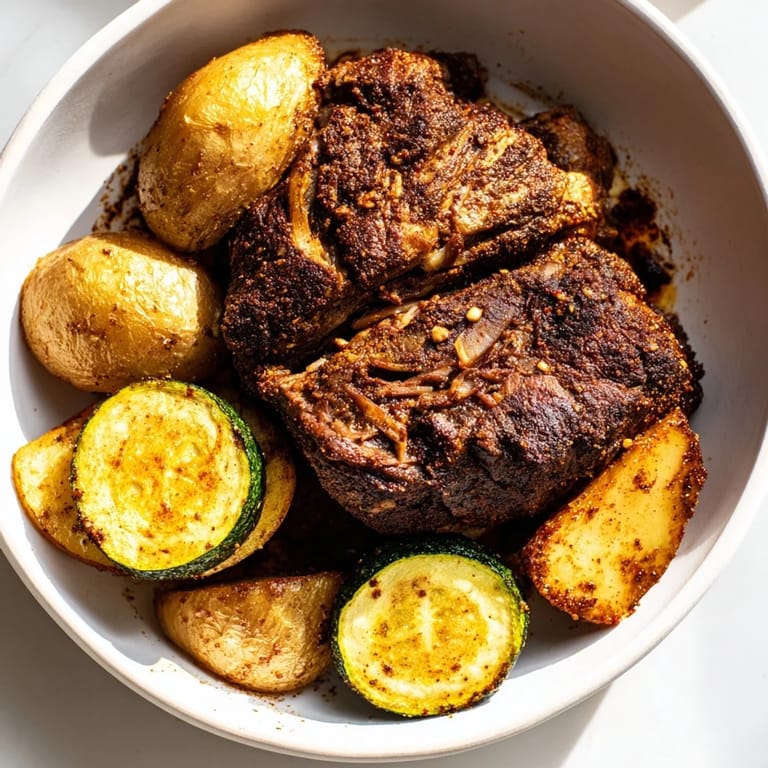
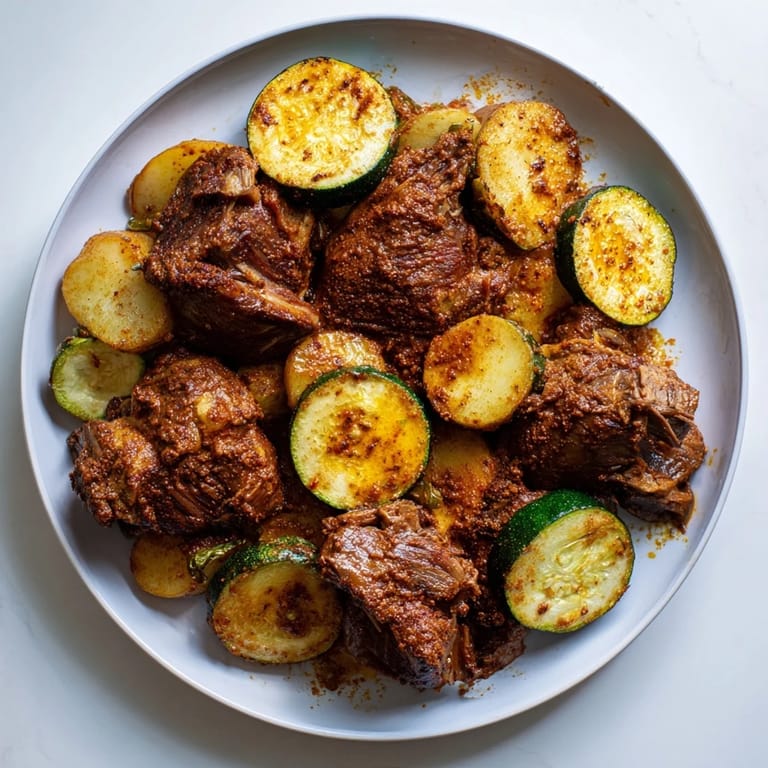
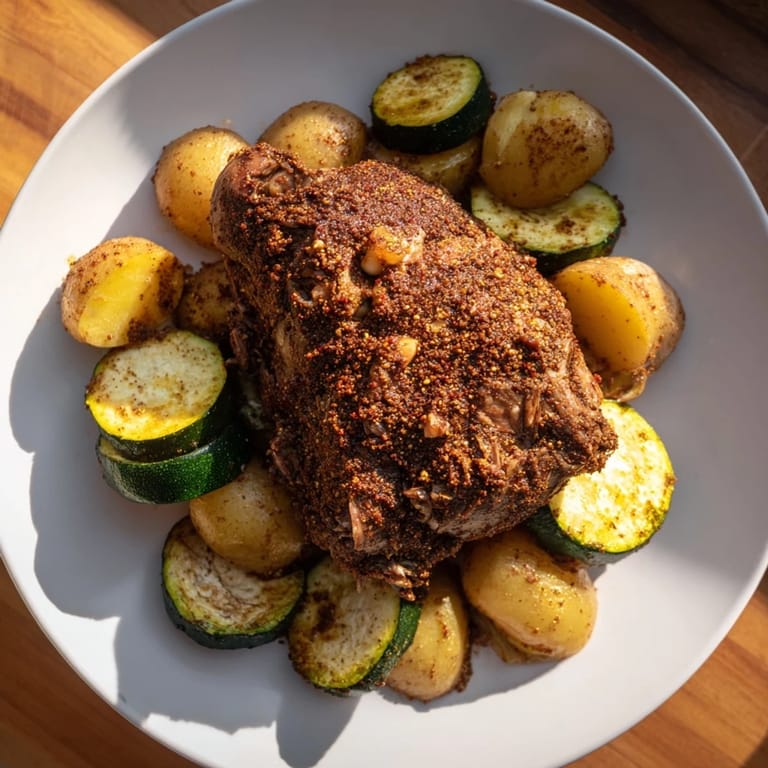
- Carefully open the foil (watch for that initial burst of steam), and transfer the meat and vegetables to a large platter. Pour those precious juices over everything, and if you're serving rice, arrange it as a bed underneath.
 Pin It
 There's a moment near the end of cooking when the house smells so good you can almost taste it in the air, and that's when I know zarb is about to become something people remember. It's not fancy or complicated, but it's generous in the way it feeds people and generous in how it makes everyone at the table feel cared for.
Why This Dish Matters
Zarb is Bedouin cooking at its heart, born from cooking outdoors, communally, in the desert. The underground oven technique is ancient and practical—it conserves fuel and cooks everything evenly while freeing up your hands and attention. Using a home oven is a completely valid adaptation, not a compromise; the flavors are just as real, and the philosophy is still the same: slow time, humble ingredients, and trust.
Making It Your Own
I've added eggplant when potatoes felt boring, swapped in sweet potatoes for richness, and even thrown in cauliflower on nights when that's what I had. The structure stays the same, but the vegetables are genuinely flexible. Some people add dried fruits like apricots for sweetness, or extra tomatoes for acidity. The meat too—while lamb is traditional, I've had equally stunning zarb with chicken, beef, or a mix.
Serving and Enjoying
Zarb begs for something cool and tangy alongside it; thick, yogurt sauce works beautifully, or fresh mint leaves folded in. Warm flatbread is essential—use it to scoop meat and vegetables and catch those incredible juices. Some people serve it over rice, some beside it; there's no wrong choice. The drink is traditional mint tea if it's an afternoon gathering, or a robust red wine if it's evening.
- Don't serve immediately after opening the foil; give it five minutes so the juices settle and redistribute.
- Leftover zarb reheats gently in a covered pot with a splash of water, and honestly tastes even better the next day.
- Make extra rice if you're serving this to hungry people; everyone wants more than they expect.
 Pin It
 This is the kind of food that turns an ordinary weeknight into something worth talking about, the kind that makes people ask for the recipe and then actually make it. Once you've made zarb, you'll understand why.
Recipe FAQs
- → What type of meat is best for Jordanian Zarb?
Lamb shoulder or bone-in chicken pieces are ideal, providing rich flavor and tenderness after slow cooking.
- → How are the flavors infused in the dish?
The meat is marinated with olive oil, garlic, lemon juice, and spices such as cumin, coriander, and cinnamon to build depth of flavor.
- → Can Jordanian Zarb be cooked without an underground oven?
Yes, baking in a sealed roasting tray covered with foil in a conventional oven replicates the slow-cooking process effectively.
- → What vegetables are typically included in the dish?
Potatoes, carrots, onions, zucchinis, tomatoes, and bell peppers are commonly used to complement the meat’s richness.
- → Is it customary to serve this dish with anything else?
It is often served over fluffy long-grain rice and accompanied by yogurt sauces or flatbreads to balance the hearty flavors.
- → How long should the meat marinate for best results?
Marinating for at least one hour is recommended, though overnight allows the spices to penetrate deeper for enhanced taste.