 Pin It
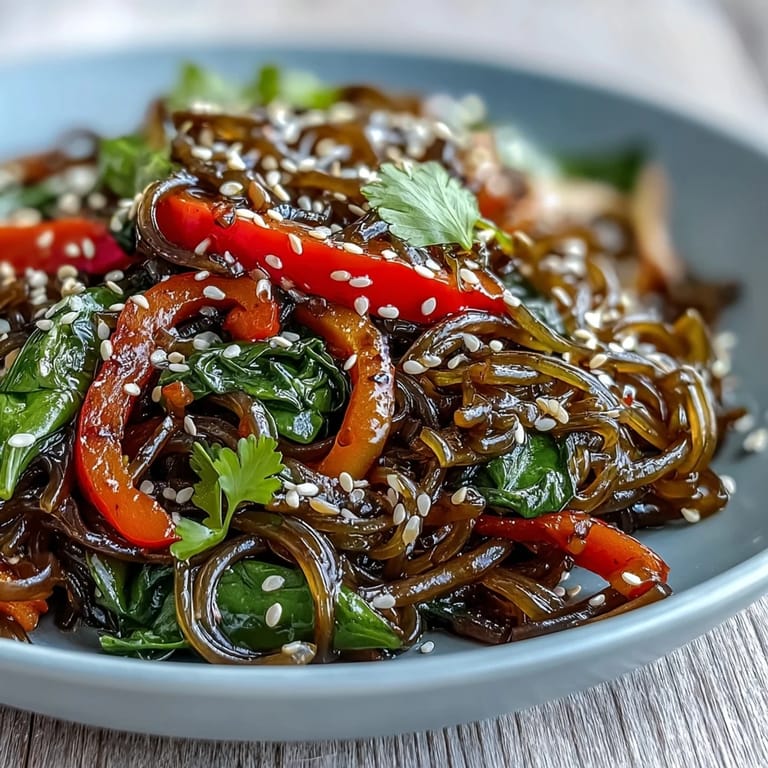
 I discovered kelp noodles by accident at an Asian market while hunting for something entirely different, and the moment I read they were practically calorie-free, I became obsessed. That first time cooking with them was humbling—I over-soaked them into mush—but once I nailed the timing, this stir-fry became my go-to when I wanted something that felt indulgent without the heaviness. The noodles have this bouncy, almost springy texture that transforms under heat, and paired with a ginger sauce that wakes up your whole mouth, it's become the dish I crave on busy weeknights.
I made this for my friend who'd just started eating plant-based, and watching her face light up when she realized how good it was—without any meat or heavy dairy—made me want to cook it every week. She kept asking for the recipe, and I realized I'd stumbled onto something that works for everyone, whether they're trying to eat lighter or just want a quick, honest meal.
Ingredients
- Kelp noodles: These are your secret weapon for staying full without the calorie load, and they need that 10-minute soak to become tender enough to actually enjoy.
- Red bell pepper: Choose one that's firm and glossy; it adds sweetness and that crucial pop of color that makes the dish feel alive.
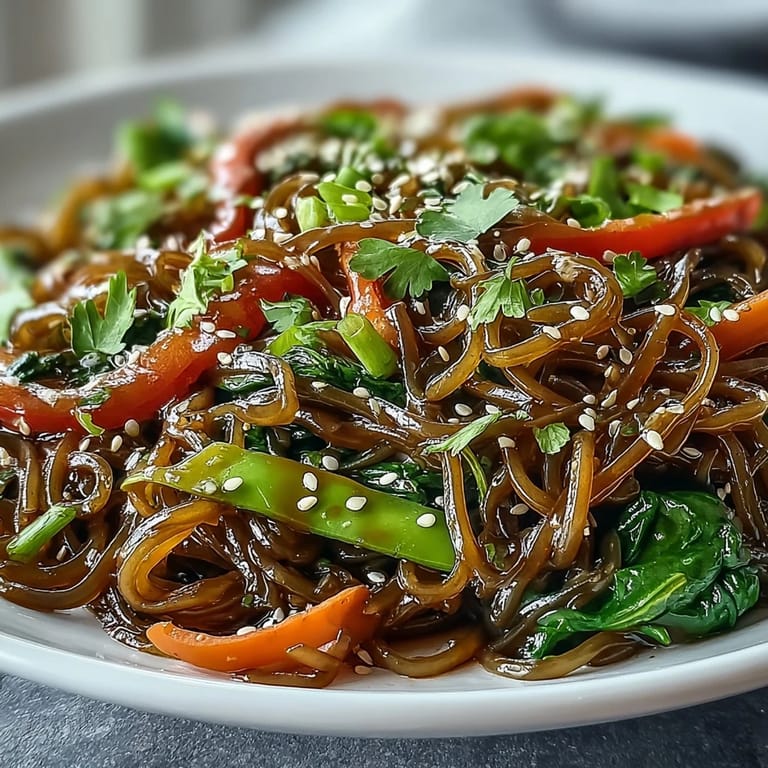
- Snap peas: Keep them halved so they cook evenly and stay crisp-tender, which is the whole point.
- Carrot: Julienne it thin so it absorbs the sauce and cooks through in the time the other vegetables need.
- Baby spinach: It wilts down so much, so don't be shy with the handful; it practically disappears.
- Green onions: Add these at the end so they stay fresh and sharp, not limp and sad.
- Tamari or soy sauce: Go low-sodium if you can; it lets the ginger and garlic shine instead of overwhelming everything with salt.
- Toasted sesame oil: This is non-negotiable—the toasted kind has so much more personality than plain sesame oil.
- Rice vinegar: A touch of acid brightens the whole dish and keeps it from feeling flat.
- Fresh ginger: Finely grate it so it releases its oils and distributes evenly; dried ginger won't give you the same bite.
- Maple syrup or agave: Just enough to balance the acidity and add subtle sweetness without making it taste like dessert.
- Garlic: Minced small means it cooks quickly and flavors the sauce throughout.
- Chili flakes: Optional, but they add a warm tingle that makes you feel like you're eating something bold.
- Toasted sesame seeds: Scatter them on top for texture and a subtle nutty finish.
Tired of Takeout? 🥡
Get 10 meals you can make faster than delivery arrives. Seriously.
One email. No spam. Unsubscribe anytime.
Instructions
- Soften the kelp noodles:
- Place them in a large bowl with warm water and let them sit for exactly 10 minutes—this is where patience pays off, because undersoak and they'll be crunchy in an unpleasant way, oversoak and they turn to mush. Drain them well before moving forward.
- Mix the sauce:
- Whisk tamari, sesame oil, rice vinegar, ginger, maple syrup, garlic, and chili flakes in a small bowl until the maple syrup dissolves completely. Taste it now; the sauce should taste bold and slightly sharp, not sweet.
- Sauté the harder vegetables first:
- Heat your skillet or wok over medium-high heat until it's genuinely hot, then add bell pepper, snap peas, and carrot all at once. You want to hear a satisfying sizzle; cook for 3 to 4 minutes, stirring often, until they're tender-crisp and starting to caramelize slightly at the edges.
- Add the greens quickly:
- Toss in spinach and green onions and keep stirring for about a minute until the spinach wilts and loses its raw look. Don't walk away; this happens fast.
- Bring it all together:
- Add your drained kelp noodles to the pan, pour the sauce over everything, and toss continuously for 2 to 3 minutes until the noodles are heated through and every strand is coated with that gorgeous ginger sauce. The kitchen should smell incredible at this point.
- Plate and finish:
- Divide between bowls and top immediately with toasted sesame seeds, fresh cilantro if you have it, and a lime wedge on the side for squeezing. Serve it right away while the noodles still have texture.
 Pin It
 My partner used to skip vegetable stir-fries entirely, calling them boring and rabbit-food, until I put this in front of him and watched him actually go back for seconds. That moment—when someone's prejudice about health food melts away—reminded me that good cooking isn't about being virtuous; it's about making something so delicious that nobody has to feel like they're missing out.
Why Kelp Noodles Changed My Cooking
For years I thought healthy eating meant sacrifice, until kelp noodles showed me it doesn't have to. They're surprisingly forgiving once you understand them, and they take on flavors in ways regular pasta never could. The best part is that you can load them with vegetables and sauce without that heavy, bloated feeling that comes after eating wheat noodles—you just feel energized.
Making It Your Own
This recipe is a canvas, not a rulebook, which is honestly why I keep coming back to it. I've thrown in shredded cabbage when I didn't have bell peppers, swapped the snap peas for broccoli when that's what was in the crisper, and even added a spoonful of peanut butter to the sauce on days when I wanted something richer. The ginger sauce is sturdy enough to handle substitutions without falling apart, and the kelp noodles pair happily with pretty much any vegetable you can slice.
Little Tricks That Actually Make a Difference
The difference between a good stir-fry and a great one often comes down to heat and timing, two things that seem simple until you're standing in front of the stove. I learned to get my wok or skillet properly hot before anything touches it—not warm, but genuinely hot—because that's what creates those caramelized edges on the vegetables that make your mouth happy. Temperature management is also why adding ingredients in the right order matters; harder vegetables need more time, greens need almost none, and noodles just need to be heated through without breaking down into nothingness.
- Keep your ginger finely grated so it distributes evenly instead of creating pockets of intense heat.
- If you're adding protein like tofu or edamame, warm it in the pan before the vegetables so it can brown slightly and develop flavor.
- A squeeze of fresh lime at the table brings everything into focus right before eating, no matter how well-balanced your sauce already is.
 Pin It
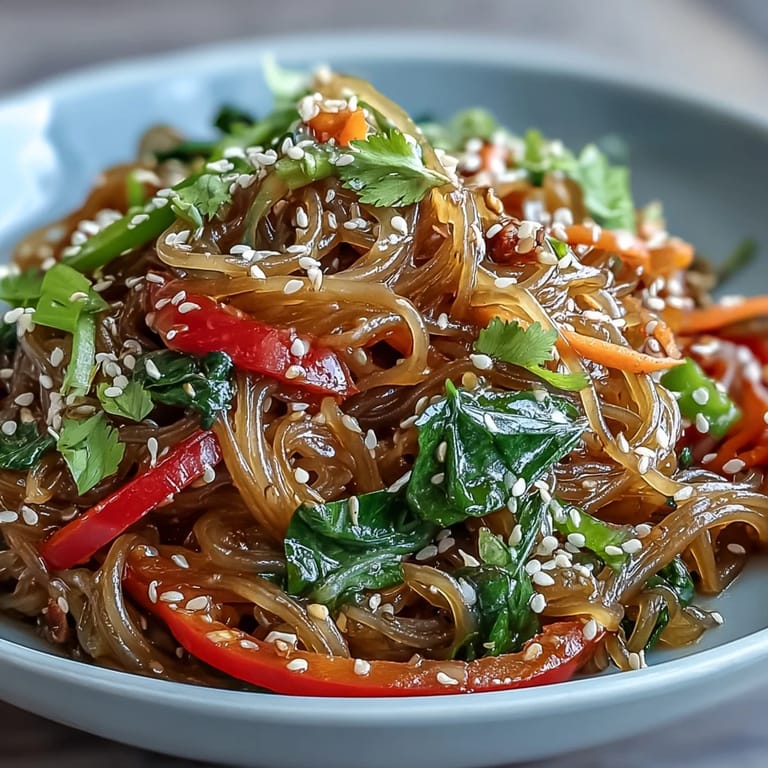
 This stir-fry became my answer to the question I asked myself nearly every evening: what can I make that's quick, honest, and actually leaves me feeling good? It's simple enough that you can make it on a Tuesday night without fuss, but flavorful enough that you'll genuinely look forward to eating it.
Recipe FAQs
- → How do I prepare kelp noodles?
Soak kelp noodles in warm water for 10 minutes to soften before cooking. This step ensures the perfect texture when stir-frying with vegetables.
- → Can I add protein to this dish?
Yes, cubed tofu or edamame work wonderfully. Add them during step 3 when sautéing the vegetables to ensure they heat through properly.
- → What vegetables can I substitute?
Broccoli, zucchini, or mushrooms make excellent substitutions. Feel free to use whatever fresh vegetables you have on hand.
- → Is this dish gluten-free?
Yes, when using gluten-free tamari instead of regular soy sauce. Always check labels to ensure your ingredients meet your dietary needs.
- → How long does this keep in the refrigerator?
Best enjoyed fresh, but leftovers can be stored in an airtight container for up to 2 days. The noodles may soften slightly when reheated.
- → Can I make the sauce ahead of time?
Absolutely. Whisk the sauce ingredients together and store in the refrigerator for up to a week. Bring to room temperature before using.