 Pin It
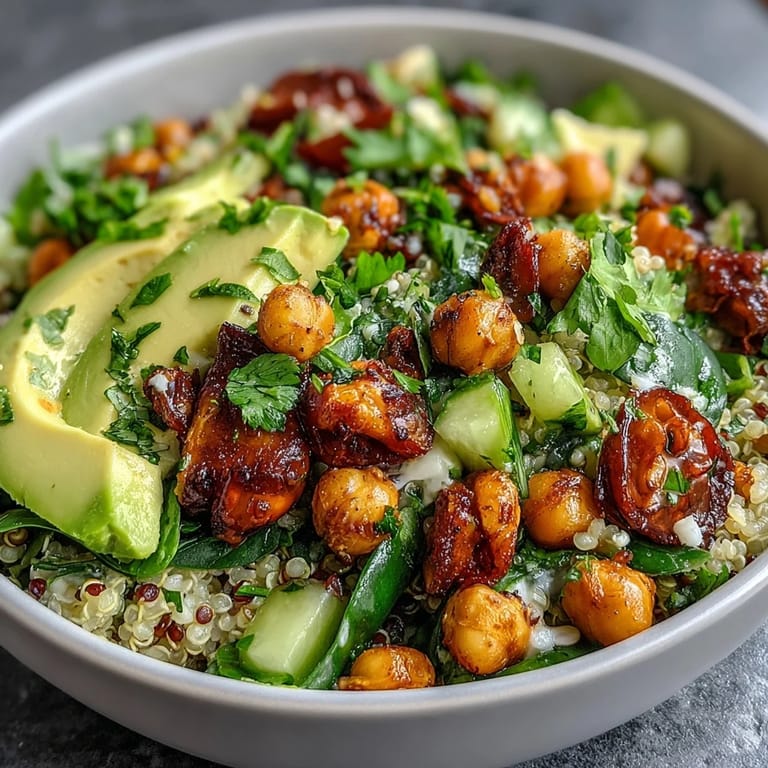
 There's something about assembling a grain bowl that feels like creating art on a plate, except you actually get to eat it immediately. I stumbled onto this lemon vinaigrette version during a phase where I was obsessed with meal prepping but kept getting bored with the same old salads. One Tuesday afternoon, I roasted chickpeas out of sheer curiosity—no real plan—and suddenly had this crispy, spiced element that transformed everything. That single experiment became the foundation for bowls I now make at least twice a month.
I made this for my sister last summer when she was going through a phase of avoiding anything processed, and watching her face light up when she tasted the combination of crispy chickpeas and that tangy dressing was unexpectedly moving. She asked for the recipe immediately, and now whenever we have a lazy Sunday lunch together, this is what we make side by side. It's become our thing—the kind of meal that's fancy enough to feel special but relaxed enough that we can chat the whole time we're chopping.
Ingredients
- Quinoa (or brown rice or farro): Use whichever grain you have on hand—they all work beautifully here, though quinoa holds up best if you're making these bowls to eat throughout the week.
- Chickpeas, drained and rinsed: Canned is perfectly fine and saves you from the overnight soaking drama; pat them completely dry before roasting or they'll steam instead of crisping up.
- Smoked paprika: This spice does the heavy lifting in the chickpea seasoning, giving them a depth that makes people ask what the secret ingredient is.
- Ground cumin: A small amount goes a long way, warming up the whole bowl with an earthy undertone that feels Mediterranean without being overwhelming.
- Olive oil, extra virgin: Use the good stuff for the vinaigrette where you'll actually taste it; regular olive oil is fine for roasting.
- Fresh lemon juice: Bottled juice gets the job done, but fresh lemon juice makes a noticeably brighter difference in how the whole bowl comes together.
- Dijon mustard: This tiny amount acts as an emulsifier, helping the oil and lemon juice stay mingled rather than separating into two sad layers.
- Cherry tomatoes and cucumber: These vegetables add crispness and a cooling effect that balances the warm roasted chickpeas perfectly.
- Avocado: Slice it just before serving or drizzle the cut surface with a bit of lemon juice to keep it from browning if your timing is off.
- Fresh parsley: A small handful scattered on top gives brightness that you absolutely notice when it's missing.
Tired of Takeout? 🥡
Get 10 meals you can make faster than delivery arrives. Seriously.
One email. No spam. Unsubscribe anytime.
Instructions
- Heat your oven and set up the workspace:
- Get the oven going at 425°F and line your baking sheet with parchment paper while you're at it. This gives everything time to preheat while you prep.
- Start the grains cooking:
- Rinse your quinoa under cold water, then combine it with 2 cups water and salt in a saucepan. Bring everything to a boil, give it a quick stir, cover with a lid, and let the heat drop to medium-low for 15 minutes until the liquid is absorbed and the grains are tender. You'll know it's done when you can see a little white spiral popping out of each quinoa grain.
- Prepare the chickpeas for roasting:
- Drain and rinse your canned chickpeas, then pat them completely dry with a clean towel—this step matters more than you'd think. Toss the dry chickpeas with olive oil, smoked paprika, cumin, garlic powder, salt, and pepper until every one is coated, then spread them in a single layer on your prepared baking sheet.
- Roast until golden and crispy:
- Slide the baking sheet into the oven and set a timer for 12 minutes, then shake the pan and roast for another 10 to 13 minutes until the chickpeas are deeply golden and look crackling-crispy. They'll continue crisping as they cool, so pull them out when they look just a shade darker than you think they should be.
- Build your vinaigrette:
- While the chickpeas are finishing, whisk together olive oil, fresh lemon juice, Dijon mustard, maple syrup or honey, minced garlic, salt, and pepper in a small bowl or jar. Whisk until it emulsifies into something creamy-looking, which should take about 30 seconds of actual effort.
- Prep your vegetables with intention:
- Halve your cherry tomatoes, dice the cucumber into bite-sized pieces, shred the carrots if you haven't already, slice the red onion thin enough that it's almost see-through, and chop your fresh parsley. Slice your avocado last, right before you assemble, or toss the cut surface with a squeeze of lemon juice.
- Assemble your bowls:
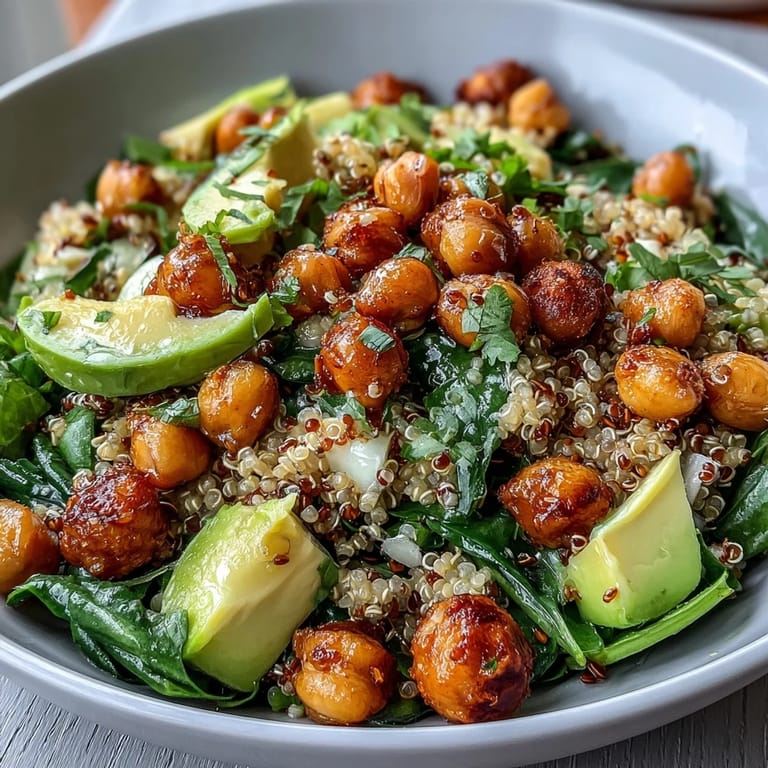
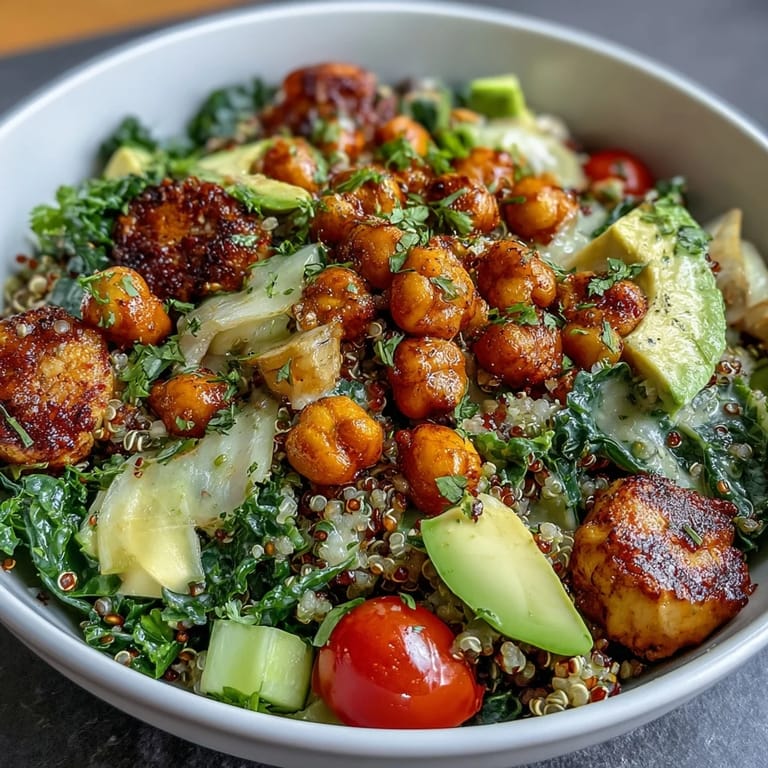
- Divide the cooked grains among four bowls, creating a base that feels generous. Top each bowl with roasted chickpeas, tomatoes, cucumber, carrots, red onion, avocado slices, and a scattering of parsley.
- Dress and serve immediately:
- Give your vinaigrette a final whisk and drizzle it generously over each bowl, making sure to get some dressing on the grains so it soaks in. Taste a forkful and adjust seasoning if needed—lemon juice and salt are your friends if something feels flat.
 Pin It
 There's a particular kind of peace that comes from eating something this colorful and nourishing, especially when you've put it together yourself with actual ingredients you recognize. That moment when all the elements hit your mouth at once—creamy avocado, crispy chickpeas, tangy vinaigrette—feels like a small reward for taking care of yourself.
Why These Bowls Work for Real Life
The beauty of this recipe is that it doesn't demand perfection or fancy shopping. You can make it with whatever vegetables are sitting in your crisper drawer, swap grains based on what you have, and the whole thing comes together faster than you could order delivery. I've made these bowls in a tiny apartment kitchen with minimal counter space and in a sprawling farmhouse, and they work equally well in both situations because the formula is that straightforward.
Customization and Flexibility
The genius of grain bowls is that they adapt to whatever you're craving or whatever your kitchen contains on a given day. Some days I add a handful of greens underneath everything for extra nutrition; other times I skip it entirely. I've thrown in roasted beets, steamed broccoli, sautéed mushrooms, and even leftover roasted sweet potato when I was trying to use things up.
Storage and Make-Ahead Strategy
These bowls are excellent for meal prep because most components hold up beautifully in the refrigerator for three to four days—I've kept grains, roasted chickpeas, and chopped vegetables in separate containers so I can assemble fresh bowls when hunger strikes. The vinaigrette stays fresh even longer, honestly. The only thing I don't prep ahead is the avocado, which I slice and add on the day I'm eating, or the fresh parsley, which looks sad if it sits dressed for more than an hour.
- Roasted chickpeas can be made up to two days ahead and stored in an airtight container at room temperature, and they'll stay crispy.
- Keep the vinaigrette in a jar in your refrigerator and give it a shake before using since it naturally separates slightly.
- Assemble your bowl with room-temperature grains and chickpeas for the best texture and flavor.
 Pin It
 Making these bowls has become my answer to that 6 PM question of what's for dinner—something that feels healthy and intentional but doesn't require stress or last-minute scrambling. Once you make it once, you'll find yourself reaching for it again and again.
Recipe FAQs
- → What grains work best for this bowl?
Quinoa, brown rice, or farro are ideal choices, but barley or bulgur can also be used depending on preference.
- → How do I get crispy roasted chickpeas?
Pat chickpeas dry before tossing with oil and spices, then roast at 425°F, shaking once midway until golden and crunchy.
- → Can the lemon vinaigrette be made ahead?
Yes, the vinaigrette can be prepared in advance and stored refrigerated for up to 3 days. Whisk well before serving.
- → Are there vegetarian or vegan options?
The dish is naturally vegan and dairy-free. Adding cheese is optional and can be omitted for a vegan meal.
- → What toppings add extra flavor and texture?
Fresh parsley provides brightness, while avocado adds creaminess and shredded carrots contribute crunch and sweetness.