 Pin It
 My first real batch of falafel happened by accident during a late-night craving when a friend brought over a container of already-soaked chickpeas from her family's pantry. I'd never made them before, but she had this quiet confidence about it—told me the secret was pulsing, not puréeing, and that the herbs had to be fresh enough to make your hands green. Two hours later, golden balls were crackling in hot oil, and the smell brought three neighbors to my door asking what I was making. That's when I learned falafel isn't just food; it's an announcement.
I made these for a small dinner party last spring, and someone's five-year-old—usually a picky eater—asked for thirds. Her mom laughed and said it was the first time she'd eaten something green willingly. The falafel didn't look fancy, but there was something about the way they tasted that made people slow down and actually taste their food instead of rushing through it.
Ingredients
- Dried chickpeas (1 cup): Use dried, not canned—canned chickpeas are too wet and will make dense, mushy falafel that falls apart in the oil. Soaking overnight is non-negotiable.
- Fresh parsley and cilantro (1 cup and 1/2 cup packed): These are your flavor backbone; don't skip them or substitute with dried herbs. The fresher they are, the brighter your falafel will taste.
- Onion and garlic (1 small onion and 3 cloves): They add savory depth and help bind everything together without making the mixture too wet.
- Ground cumin and coriander (2 tsp and 1 tsp): These spices define the Levantine flavor profile—warming and slightly earthy, with a hint of citrus from the coriander.
- Baking powder (1 tsp): This creates lift and fluffiness inside while the oil crisps the exterior, giving you that perfect contrast.
- All-purpose or chickpea flour (3 tbsp): Acts as your binder; add it slowly because you want the mixture coarse, not paste-like.
- Vegetable oil for frying: You need enough to submerge the balls—use neutral oil like canola or sunflower, heated to exactly 350°F for the crispiest results.
Tired of Takeout? 🥡
Get 10 meals you can make faster than delivery arrives. Seriously.
One email. No spam. Unsubscribe anytime.
Instructions
- Soak and drain the chickpeas:
- Rinse dried chickpeas under cold water, place in a large bowl, and cover generously with cold water—they'll roughly double in size. Leave them overnight (8–12 hours), then drain and pat very dry with a kitchen towel or paper towels, because excess moisture is the enemy of crispy falafel.
- Pulse the base together:
- Add soaked chickpeas, chopped onion, garlic, parsley, and cilantro to your food processor. Pulse gently in short bursts until everything is coarse and the mixture holds together when you squeeze it—you're looking for something that resembles wet sand, not a smooth paste.
- Mix in the seasonings:
- Sprinkle in cumin, coriander, cayenne (if using), baking powder, salt, black pepper, and flour. Pulse briefly until just combined, then scrape down the sides and give everything a final stir by hand to make sure the spices are evenly distributed.
- Shape into balls:
- Wet your hands with cold water so the mixture doesn't stick, then scoop roughly 1½-inch balls onto a tray or parchment paper. If the mixture feels too loose and crumbly, sprinkle in another tablespoon of flour and mix gently.
- Heat the oil:
- Pour 2 inches of vegetable oil into a deep pot and heat it slowly to 350°F—use a thermometer if you have one, because temperature matters more than you'd think. If the oil isn't hot enough, the falafel absorbs oil and becomes greasy; too hot and they burn outside before cooking inside.
- Fry until golden:
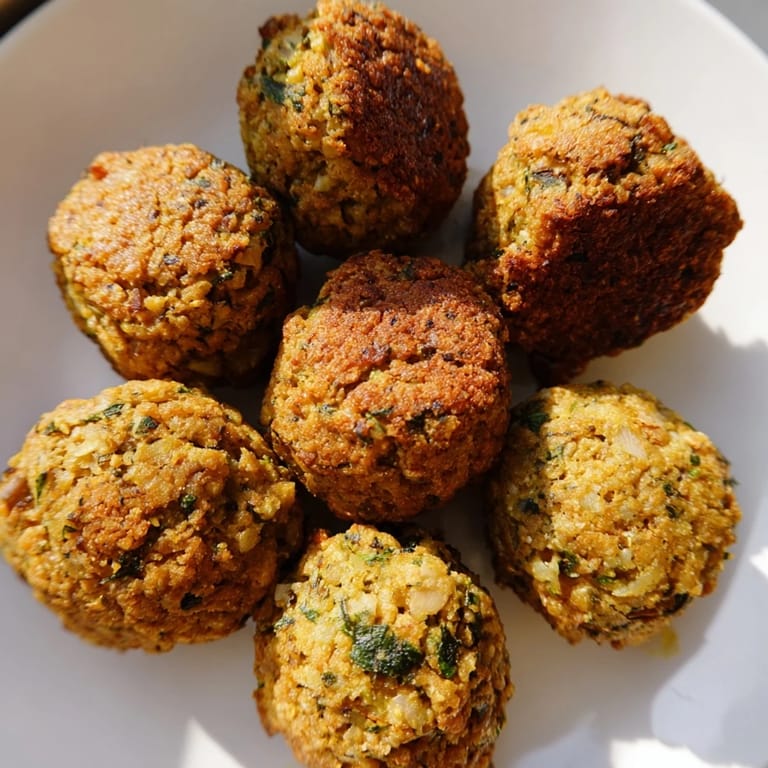
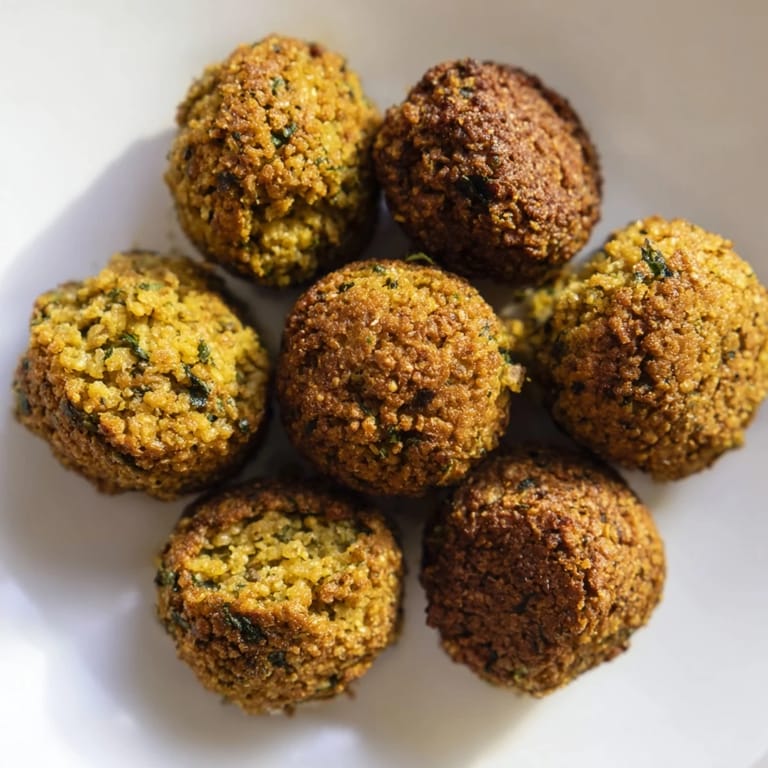
- Working in batches so you don't crowd the pot, carefully place falafel into the hot oil and let them fry for 3–4 minutes, turning gently with a slotted spoon until they're a deep, warm golden-brown all over. Drain them on paper towels immediately.
- Serve while they're warm:
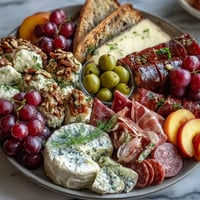
- Eat them in warm pita bread with tahini sauce, fresh salad, and pickled vegetables, or pile them onto a mezze platter and let people assemble their own bites.
 Pin It
 One winter, my mom came to visit and watched me make falafel from scratch. She said it reminded her of her grandmother's kitchen in Beirut, filled with the smell of herbs and sizzling oil—a smell she hadn't encountered in decades. We sat at the kitchen table eating them straight from the paper towels, and neither of us said much, but I understood that food carries memory in ways words sometimes can't.
The Soaking Step Is Everything
I learned this the hard way by trying to rush the process and using canned chickpeas once. They disintegrated into the oil, became a greasy mess, and taught me that shortcuts with falafel don't work. The overnight soak isn't just tradition—it hydrates the chickpeas just enough to make them bind together while staying dry enough to fry properly. It's the one step you cannot skip.
The Flavor Is in the Fresh Herbs
Store-bought falafel tastes dusty because it relies on dried herbs and premixed spices. When you use fresh parsley and cilantro, the falafel tastes green and alive, with a brightness that lingers on your tongue. This is why making them at home is worth the extra 25 minutes of prep—the difference between good and unforgettable comes down to whether those herbs are still alive when they hit the oil.
Variations and What Works
Once you nail the basic recipe, you can experiment with the spices. A pinch of ground cardamom adds warmth, sumac brings a subtle tartness that's incredibly sophisticated, and some people add a small handful of fresh mint. The oil temperature is where the real magic happens—too low and they're soggy, too high and the outside burns before the inside cooks through. Some days I bake them instead of frying: brush with oil, bake at 400°F for 20–25 minutes, turning halfway, and they're lighter but still delicious.
- Try adding 1/2 tsp sumac or ground cardamom for a more complex flavor profile.
- For a gluten-free version, use chickpea flour instead of all-purpose and skip the baking powder or reduce it slightly.
- Baked falafel works in a pinch, but the fried version is always worth the effort.
 Pin It
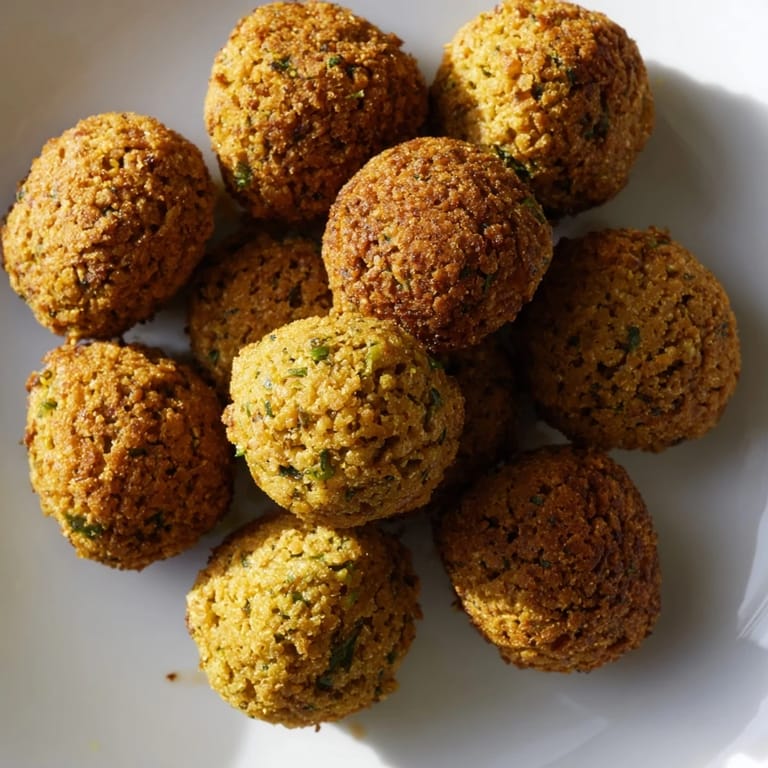
 Falafel made at home tastes like someone cared enough to spend time in the kitchen, and that generosity shows in every bite. These crispy, tender, herb-filled balls deserve to be surrounded by good bread, good people, and the kind of conversation that makes meals memorable.
Recipe FAQs
- → What is the best way to soak chickpeas for falafel?
Soak dried chickpeas overnight in plenty of cold water, around 8 to 12 hours, to ensure they soften properly without cooking. Drain and pat dry before use.
- → Can I bake falafel balls instead of frying them?
Yes, brushing the balls lightly with oil and baking at 400°F (200°C) for 20–25 minutes, turning halfway, produces a crisp exterior with less oil.
- → Which herbs enhance the flavor of falafel balls?
Fresh parsley and cilantro add brightness and aroma, balancing the warm spices like cumin and coriander for an authentic taste.
- → How do I achieve crispy falafel without them falling apart?
Pulse the chickpeas to a coarse texture and use binding ingredients like flour and baking powder. Avoid over-pureeing and keep mixture slightly moist but firm.
- → What dishes pair well with these chickpea balls?
Serve alongside fresh salads, pita bread, tahini sauce, hummus, or pickled vegetables for a balanced and flavorful meal.
- → Can I adjust the spice level in falafel balls?
Yes, cayenne pepper is optional and can be added to taste to create a mild or more pronounced heat.