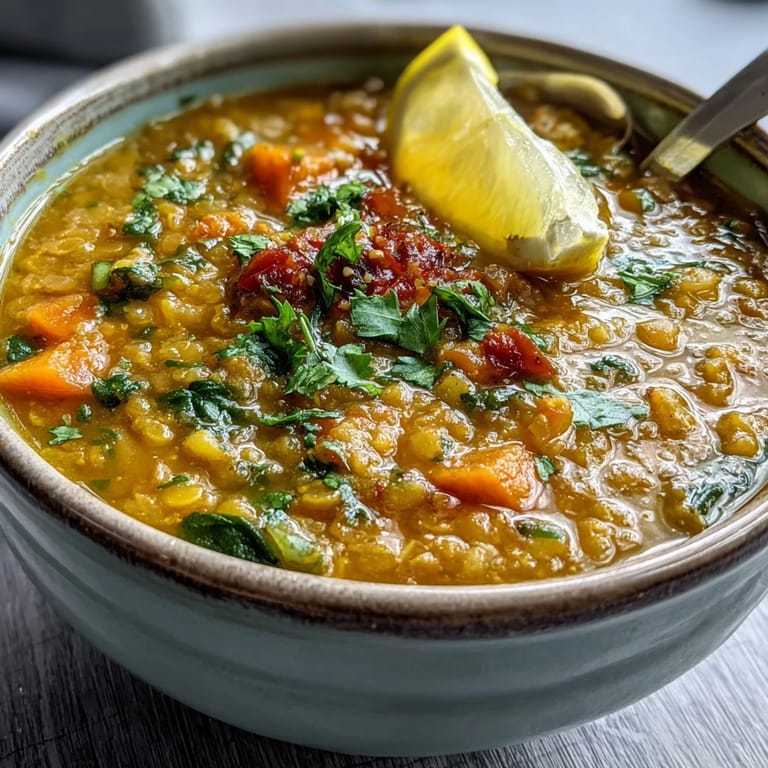
 Pin It
 My mother taught me this soup on a gray afternoon when I was fighting off a cold, and somehow the steam rising from the pot felt like it was carrying away every ache. She moved through the kitchen with such quiet certainty, adding spices I couldn't name, and by the time those mung beans softened into creamy submission, I understood why she'd made this same soup for every family member through every season. Now when I make it, I feel her hands guiding mine, especially when the mustard seeds start their little dance in hot oil—that sound means everything is about to come alive.
I served this to a friend during her first week in a new apartment, and she ate three bowls while sitting on moving boxes, telling me it was the first meal that made her new place feel like home. There's something about mung bean soup that does that—it settles into you, grounds you, reminds you that simple things can hold real comfort.
Ingredients
- Dried mung beans: The foundation of this soup, these little green gems need soaking to cook evenly and digest gently—don't skip this step, as it truly changes the texture.
- Onion, garlic, and ginger: This trio is your flavor base, and mincing them small means they'll meld into the broth rather than announcing themselves as separate bites.
- Carrot and tomato: The carrot adds subtle sweetness and body while the tomato brings acidity that brightens everything at the end.
- Green chili: Optional but worth including if you like a whisper of heat that builds rather than shocks.
- Ground cumin and coriander: These aren't decorative—they're the soul of the soup, warming your chest with their earthiness.
- Turmeric powder: Beyond the golden color, this spice is doing serious work for your body, so don't reduce it.
- Mustard seeds: When they sizzle in hot oil, they transform into something magical, releasing oils that perfume the entire dish.
- Asafoetida: A pinch of this pungent spice adds a savory depth that makes people ask what your secret is.
- Water or vegetable broth: Broth elevates the soup, but water lets the beans and spices shine if that's what you prefer.
- Fresh cilantro and lemon juice: These final touches prevent the soup from feeling heavy and add brightness that makes you want another spoonful.
Tired of Takeout? 🥡
Get 10 meals you can make faster than delivery arrives. Seriously.
One email. No spam. Unsubscribe anytime.
Instructions
- Prepare your beans:
- Drain and rinse those soaked mung beans under cold water, feeling them slip through your fingers like they're ready to surrender to heat and time. This rinsing step washes away the compounds that can cause bloating, so don't skip it even though it feels simple.
- Toast those mustard seeds:
- Heat oil in your pot over medium heat and add the mustard seeds, listening for that satisfying sizzle that lasts about 30 seconds. It's that small moment when you know the rest is going to taste right.
- Build your aromatics:
- Add chopped onion, garlic, and ginger to the popping seeds, and let them soften together for about three minutes until the onion turns translucent and the kitchen smells like someone's grandmother is cooking. Stir occasionally so nothing browns on the bottom.
- Layer in the rest:
- Add carrots, tomato, green chili if using, and all your ground spices, cooking for another two minutes to wake up the cumin and coriander. You'll notice the color deepens and the aroma becomes more complex.
- Add beans and liquid:
- Pour in your rinsed mung beans and the water or broth, bring everything to a boil, then turn the heat down low and let it simmer uncovered for 35 to 40 minutes. The soup will gradually thicken as the beans break down and release their starch into the broth.
- Taste and adjust:
- Add salt once the beans are completely soft, then taste carefully before adding more—salt brings all the spices into focus. Stir in fresh lemon juice right before serving, which adds a brightness that makes the soup taste more alive.
- Finish with love:
- Ladle into bowls and scatter cilantro over the top, maybe adding a drizzle of oil if it feels right. This final touch transforms the soup from sustaining to special.
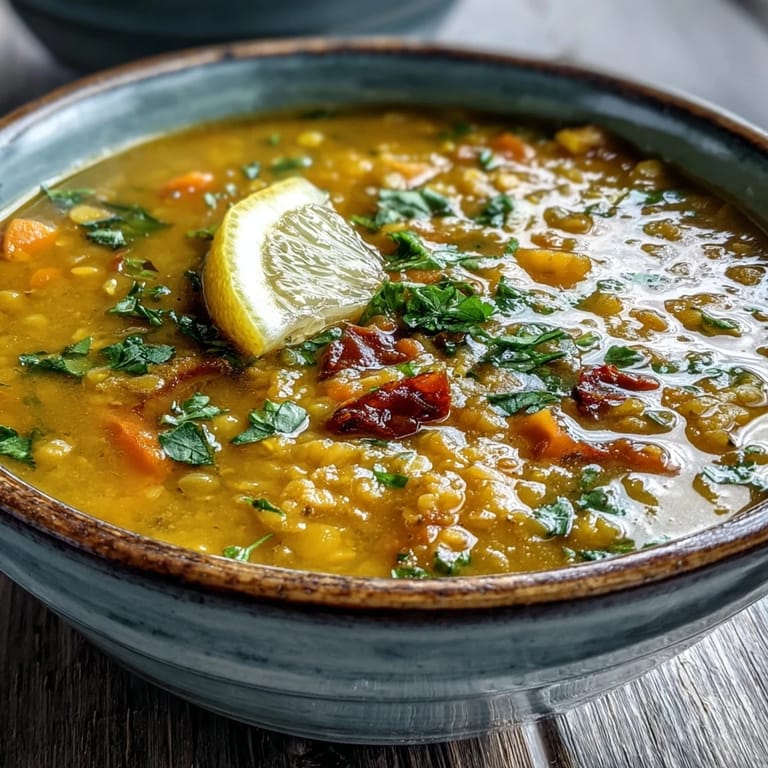 Pin It
 There was an evening when my daughter watched me make this soup and asked why I was being so careful with each step, and I realized I couldn't explain it except to say that good food asks something of you—attention, patience, small acts of intention. She's sixteen now and makes this soup when she needs to feel grounded, which tells me everything about what we pass down through recipes.
When to Serve This Soup
Mung bean soup is perfect when someone needs healing, whether that's from a cold, a tough day, or just the weight of too many things at once. I make it in autumn when the weather shifts and my body suddenly craves something warming, but honestly, it works any season—light enough for spring if you serve it with fresh herbs, grounding enough for winter when you need something substantial. It's also the soup I make when I'm cooking for friends with dietary restrictions because it's naturally vegan and gluten-free, which means everyone at the table eats the same beautiful thing.
Variations That Won't Let You Down
Once you've made this soup a few times and know how it should taste, you can play with it gently. I sometimes add a handful of spinach or kale in the last five minutes for extra greens and a slight earthiness that deepens the soup without changing its soul. Some days I make it creamier by lightly mashing some of the cooked beans against the side of the pot, creating a texture that's more like risotto than broth—it's the same soup with a different personality. You can also shift the spices slightly based on what you have; increased coriander makes it more floral, while extra turmeric and black pepper push it toward healing territory.
Serving Suggestions and Simple Pairings
This soup never feels complete alone—it's the kind of dish that asks for something alongside it, something to catch the broth and add substance. Serve it with steamed rice or a simple flatbread to make it a full meal, or pair it with a fresh green salad if you want lightness. I've discovered that a dry Riesling works beautifully with the spices, cutting through the richness while adding its own floral note, and herbal tea—particularly chamomile or ginger—feels like the natural ending to the meal.
- Toast a piece of flatbread and tear it directly into the bowl for a more rustic, hands-on experience.
- A squeeze of fresh lime juice right at the table lets everyone adjust the brightness to their taste.
- Pass cilantro and a small dish of oil separately so people can customize the final bowl to their preference.
 Pin It
 This soup has become my answer to almost everything—I make it when I want to feel closer to my family, when I'm cooking for someone new, when I need proof that simple things can nourish us deeply. It's taught me that comfort food doesn't need to be complicated, just honest and made with attention.
Recipe FAQs
- → Do I need to soak the mung beans before cooking?
Yes, soaking dried mung beans for 4 hours or overnight helps them cook evenly and reduces cooking time. This step also makes them easier to digest and ensures a creamy texture in the final soup.
- → Can I use split mung beans instead of whole ones?
Absolutely. Split yellow mung beans cook faster and break down more, creating a thicker, creamier soup. Reduce the simmering time to 20-25 minutes if using split variety.
- → How can I make this soup more protein-rich?
Stir in a handful of red lentils along with the mung beans, or add chopped spinach or kale during the final 5 minutes of cooking for extra nutrition without altering the traditional flavor profile.
- → What can I serve with mung bean soup?
Steamed basmati rice, warm naan, or roti make perfect accompaniments. The soup also pairs beautifully with quinoa for added protein or can be enjoyed alone as a light, comforting meal.
- → How long does this soup keep in the refrigerator?
Store cooled soup in an airtight container for up to 4 days. The flavors continue to develop over time, often tasting even better the next day. Reheat gently on the stove, adding a splash of water if needed.
- → Is asafoetida (hing) necessary for this recipe?
Asafoetida adds a distinctive umami depth common in Indian cooking, but it's optional. The soup remains delicious without it, relying on the aromatic spice blend for flavor.