 Pin It
 The first time I made merguez at home, I wasn't thinking about authenticity or technique—I was chasing a memory of eating these spiced sausages from a street vendor in Tunis on a sweltering afternoon. The smell of harissa and charred meat still lingered in my clothes when I got back to my kitchen, so I decided to recreate that moment. What started as a casual attempt became an obsession with getting the spice ratios exactly right, and somewhere between my third and fourth batch, I understood why these sausages have been part of North African cooking for so long.
I'll never forget cooking these for friends who'd never had them before, watching their faces when they bit into that first sausage and the heat crept in right behind the richness of the lamb and beef. One of them asked if I'd bought them from somewhere special, and I had to laugh because they were made from ingredients I'd grabbed at a regular supermarket, just combined with intention and care.
Ingredients
- Ground beef (250 g) and ground lamb (250 g): The combination matters more than you'd think—lamb alone tastes too strong, beef alone is bland, but together they create this savory backbone that makes everything else shine.
- Harissa paste (2 tbsp): This is the soul of the sausage, so buy good quality or make it yourself if you can; commercial brands vary wildly in heat and flavor.
- Garlic (3 cloves, minced): Mince it finely so it distributes evenly—chunks of garlic will burn on the grill and taste bitter.
- Cumin, coriander, fennel, and caraway (1 tbsp each of cumin and coriander, 1 tsp each of fennel and caraway): Toast these lightly in a dry pan before adding them if you want deeper flavor, though it's not essential.
- Smoked paprika and cayenne (1 tsp each): The paprika adds color and subtle smoke, while cayenne brings actual heat—taste as you go and adjust to your tolerance.
- Fresh cilantro and parsley (2 tbsp each, chopped): These green notes cut through the richness and add a freshness that keeps the sausages from tasting heavy.
- Cold water (2 tbsp): This helps bind everything together and keeps the mixture from drying out during cooking.
- Sausage casings (1.5 m, optional): Natural sheep casings give you the authentic snap when you bite into the sausage, but they're intimidating the first time—practice makes it easy.
Tired of Takeout? 🥡
Get 10 meals you can make faster than delivery arrives. Seriously.
One email. No spam. Unsubscribe anytime.
Instructions
- Combine your meat base:
- In a large bowl, mix the ground beef and lamb together with your hands until they're evenly blended. This is the moment to get your hands in there—don't be shy about it.
- Build the spice layers:
- Add the garlic, harissa, and all the dried spices to the meat, then mix thoroughly until the color is uniform and you can't see any streaks of plain meat anymore. You'll smell the magic starting to happen here.
- Add the freshness:
- Stir in the cilantro and parsley, then pour in the cold water and mix until the whole thing becomes sticky and holds together when you squeeze it. This binding step is crucial—it's what keeps the sausages from falling apart on the grill.
- Fill your casings (if using):
- Rinse and soak the sausage casings according to the package directions, then fit them onto your sausage stuffer or piping bag. Fill slowly and deliberately, twisting at 12–15 cm intervals to create individual links. Don't fill too tightly or they'll burst; leave a little give.
- Shape if going casing-free:
- If you're skipping casings, wet your hands slightly and form the mixture into sausage-sized logs, then refrigerate for 30 minutes so they firm up and hold their shape on the grill.
- Heat your grill:
- Get your grill or grill pan hot over medium-high heat—you want it hot enough that a drop of water sizzles immediately.
- Grill with patience:
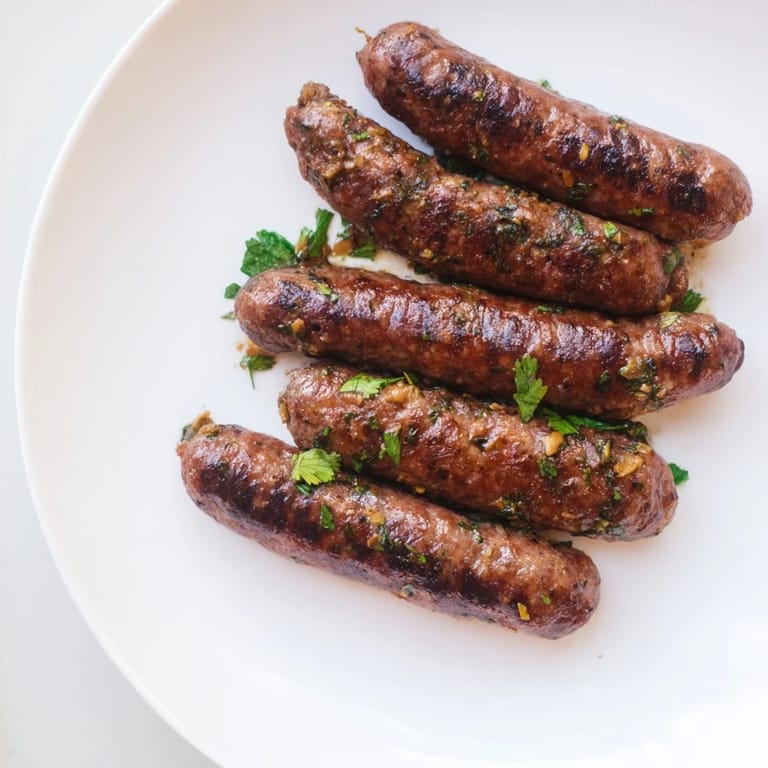
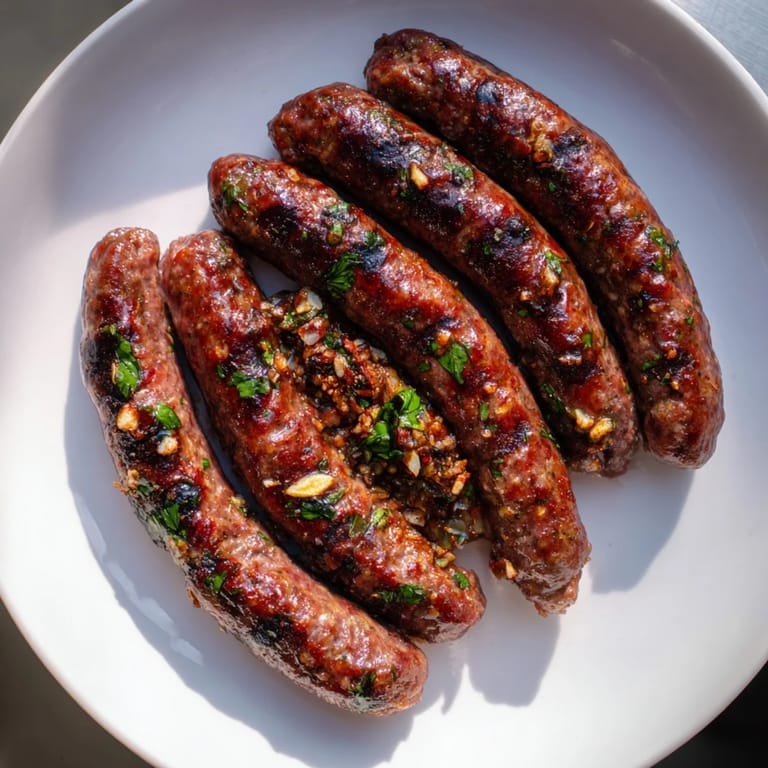
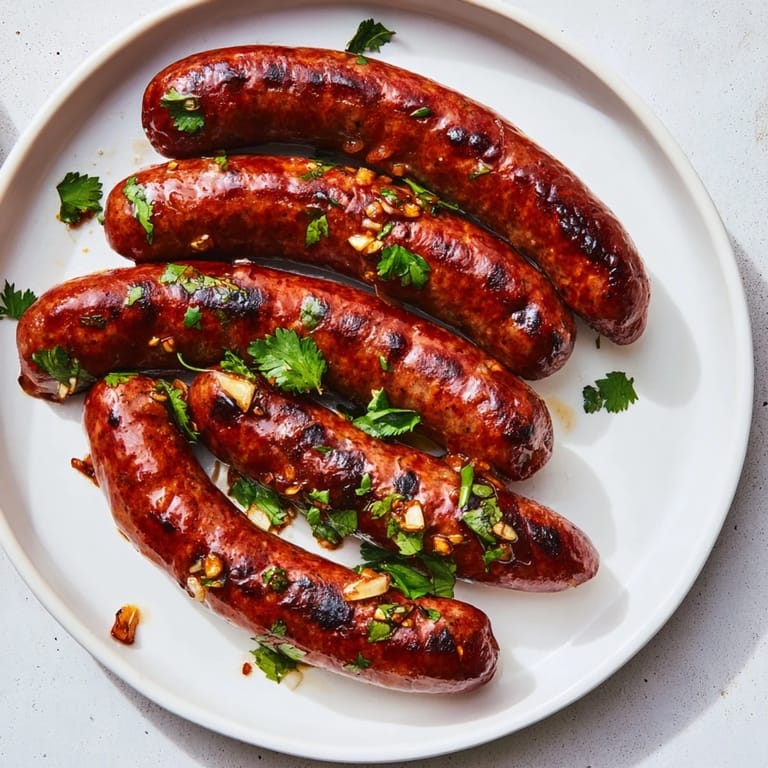
- Place the sausages on the grill and let them sit for 2–3 minutes before turning; this develops a charred exterior that adds incredible depth. Turn occasionally over 8–10 minutes total until the outside is dark brown and the inside is cooked through, no pink remaining.
- Rest briefly, then serve:
- Pull them off the heat and let them sit for a minute or two so the juices settle back into the meat before you bite into them.
 Pin It
 There was this moment at a dinner party where someone asked for seconds before they'd even finished their first sausage, and that's when I realized I'd crossed over from just following a recipe to actually understanding it. Making merguez taught me that North African cooking isn't about complicated techniques—it's about respecting your ingredients and not being afraid of bold spices.
Serving Suggestions That Work
The beauty of merguez is that it doesn't need much to shine—warm pita or flatbread with a squeeze of lemon is enough, but a dollop of harissa mixed with yogurt on the side takes things to another level. I've crumbled them over couscous with roasted vegetables, nestled them into a crusty baguette with fresh herbs and tomatoes, or just eaten them straight off the grill while standing in my kitchen watching the sunset. They're equally at home at a casual weeknight dinner or dressed up for guests, which is the mark of a truly versatile recipe.
Understanding Harissa and Heat
Harissa is one of those ingredients that can be intimidating if you've never worked with it, but it's actually just a red chili paste mixed with spices—nothing mysterious about it. The first time I tasted the raw mixture before adding the cayenne, I thought I'd made a mistake because the heat seemed aggressive, but it mellows and integrates beautifully once the sausages cook. If you find the final result too intense, reduce the harissa or cayenne next time rather than adding more liquid, which will throw off the texture.
Making It Your Own
Once you've made this recipe a few times and understand how the components work together, you can start experimenting—add a pinch of ground clove or cinnamon for warmth, or skip some of the caraway if it's not your taste. I learned this by accident when I ran out of caraway and used extra fennel instead, and honestly, some people prefer it that way. The spice ratios I've given you are a solid starting point, but your palate is the final authority here.
- Store finished sausages in the refrigerator for up to three days, or freeze them for up to two months—just thaw before grilling.
- You can make the mixture a day ahead and fill the casings the next morning, which actually helps the spices meld together.
- If you're cooking for a crowd, you can prep everything the night before and grill to order as people arrive.
 Pin It
 Every time I make merguez now, I'm reminded that the best recipes aren't the ones with the most steps or the fanciest ingredients—they're the ones that taste like someone put care into them. These sausages are proof that bold flavors and honest cooking are all you really need.
Recipe FAQs
- → What meats are used in this dish?
It combines ground beef and ground lamb to create a rich, balanced flavor that complements the spices.
- → How is the spiced mixture prepared?
Spices like cumin, coriander, smoked paprika, cayenne, and harissa paste are mixed thoroughly with the meats and fresh herbs for a cohesive blend.
- → Can this be cooked without casings?
Yes, the mixture can be shaped into patties or logs, which are then grilled, offering a skinless alternative.
- → What cooking method is recommended?
Grilling over medium-high heat provides a smoky char and cooks the sausages evenly until browned and cooked through.
- → What dishes pair well with this spicy sausage?
It's ideal served with couscous, fresh salad, flatbread, or in sandwich form, complementing the bold spices.
- → How can the heat level be adjusted?
Reduce or omit cayenne pepper or harissa paste to tone down the spiciness according to taste.