 Pin It
 My cousin called me three weeks before graduation asking if I could bake the cake for her Class of 2026 party. I'd never made a sheet cake that size before, but something about the simplicity of vanilla felt right for such a big moment. Standing in my kitchen at 6 AM on party day, watching butter and sugar transform into something fluffy and pale, I realized this wasn't just another dessert—it was going to be part of someone's memory of becoming an adult.
I'll never forget the moment the cake came out of the oven. The edges were golden, the center jiggled just slightly when I moved the pan, and the smell filled my entire house. My kids came downstairs asking if someone was opening a bakery, and I let them lick the mixer beaters—partly for their joy, partly because I needed a moment to believe I'd actually pulled this off.
Ingredients
- All-purpose flour (3 cups): Measure by spooning into your measuring cup and leveling off; scooping directly creates dense, heavy cake every single time.
- Baking powder (2½ tsp) and baking soda (½ tsp): These are your leavening agents, and they work together to create that light, cloud-like crumb that makes this cake irresistible.
- Salt (½ tsp): Don't skip this tiny amount—it amplifies the vanilla flavor and balances the sweetness in ways you won't consciously notice but absolutely will miss if it's gone.
- Unsalted butter (1 cup for cake, 1 cup for frosting): Room temperature is non-negotiable; cold butter won't cream properly and you'll end up with a dense, wet cake.
- Granulated sugar (2 cups): This dissolves into the batter and creates that tender crumb while also trapping air bubbles during mixing.
- Eggs (4 large): Room temperature eggs incorporate more smoothly and create a more stable batter than cold ones.
- Vanilla extract (1 tbsp plus 2 tsp for frosting): The soul of this cake—use pure vanilla, not imitation, and you'll taste the difference in every single bite.
- Whole milk (1½ cups for cake, ¼ cup for frosting): Room temperature milk mixes more evenly into the batter, creating uniform crumb structure throughout.
- Powdered sugar (4 cups, sifted): Sifting prevents lumps that would make your frosting grainy and unpleasant to spread.
Tired of Takeout? 🥡
Get 10 meals you can make faster than delivery arrives. Seriously.
One email. No spam. Unsubscribe anytime.
Instructions
- Prep your pan and oven:
- Set your oven to 350°F (175°C) and let it heat while you prepare a 12x18-inch sheet pan by greasing it thoroughly and lining it with parchment paper. This prevents sticking and makes cleanup feel less like punishment.
- Combine your dry ingredients:
- Whisk together flour, baking powder, baking soda, and salt in a medium bowl, then set it aside. This ensures even distribution of leavening agents throughout the batter.
- Cream butter and sugar:
- Beat unsalted butter and granulated sugar together for about 3 minutes until the mixture looks pale, fluffy, and noticeably lighter in color. You're incorporating air into the butter, which is what creates that tender crumb.
- Add eggs one at a time:
- Crack each egg into the mixture individually, beating well after each addition so they fully incorporate. This prevents the batter from looking curdled or broken.
- Mix in vanilla:
- Stir in the vanilla extract until you can smell it throughout the bowl. This is where the cake starts smelling like actual cake and not just sugar and eggs.
- Alternate dry and wet ingredients:
- Add half the flour mixture on low speed, then half the milk, mixing gently after each addition. Repeat with the remaining flour and milk, stirring just until you don't see white streaks of flour anymore.
- Pour and spread:
- Transfer batter to your prepared pan and use a spatula to spread it into an even layer. This ensures the cake bakes uniformly without thick or thin spots.
- Bake until golden:
- Bake for 28 to 32 minutes, testing with a toothpick in the center—it should come out clean or with just a few moist crumbs clinging to it. The edges will be light golden brown.
- Cool completely:
- Leave the cake in the pan on a wire rack until it reaches room temperature. This prevents the frosting from melting into the cake and creating a soggy mess.
- Make the buttercream:
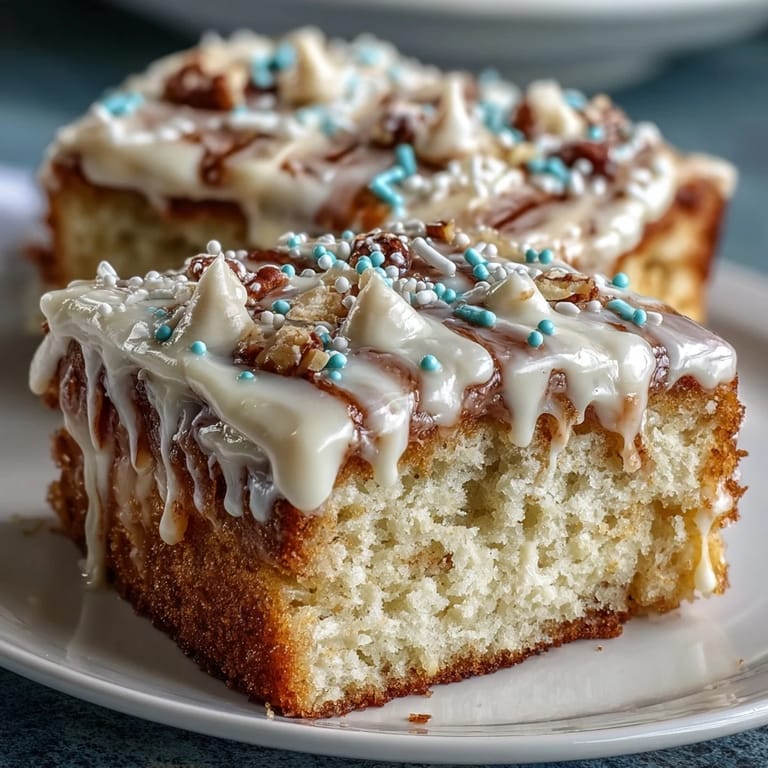
- Beat room-temperature butter for about 2 minutes until it's creamy and pale, then gradually add sifted powdered sugar while mixing on low speed. Add vanilla, milk, and salt, then beat on high for 2 to 3 minutes until fluffy and spreadable.
- Frost and decorate:
- Spread the buttercream evenly over the cooled cake using an offset spatula or the back of a spoon. Top with graduation-themed sprinkles, edible decorations, or even piped writing in school colors using a piping bag.
 Pin It
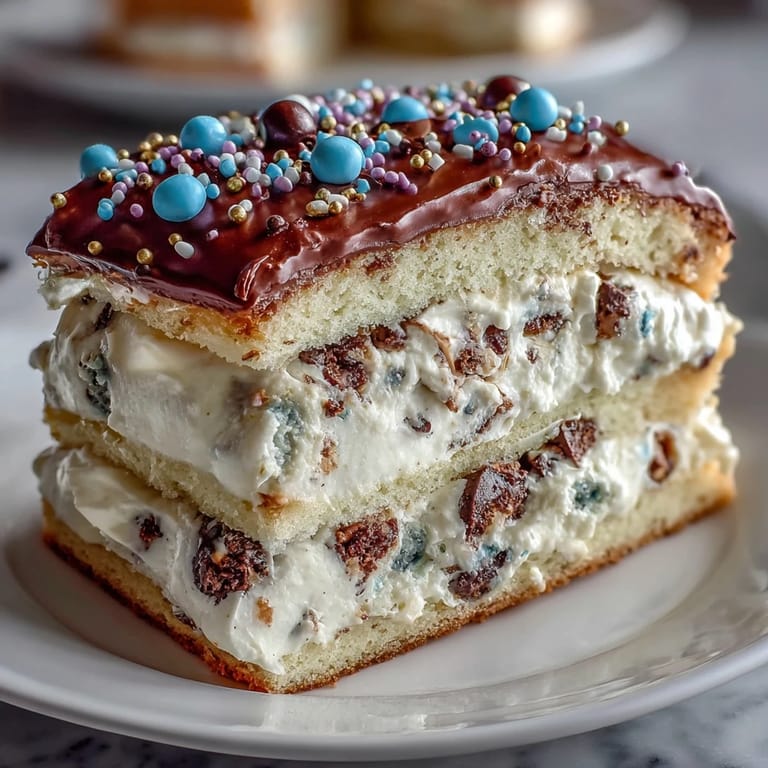
 When my cousin's graduation party started, I watched kids in caps and gowns demolish slice after slice of this cake. Someone's grandmother asked for the recipe, which felt like a small victory. But the best moment came when my cousin hugged me and said this cake made her feel like someone believed in her big day—and honestly, that's when I understood why people bake for celebrations at all.
Why This Cake Works for Crowds
A 12x18-inch sheet cake serves 24 people without requiring a tiered construction, multiple pans, or any actual decorating skill. You can frost it simply and let colorful sprinkles do the visual work, or you can pipe borders and write congratulations messages if you're feeling ambitious. The vanilla flavor appeals to everyone—there's no chocolate bias to navigate, no dietary oddities to navigate except the ones already listed in your allergen information.
Storage and Keeping
This cake keeps covered at room temperature for one full day without drying out, which is perfect for a party where you're serving it the same day. If you need it to last longer, refrigerate it in a covered container for up to four days, and it will taste just as good as day one—possibly better as the flavors meld slightly.
Variations and Personal Touches
The beauty of this recipe is how customizable it becomes once you understand the basics. Some bakers add almond extract for subtle complexity, while others brush the cooled cake with simple syrup before frosting to keep it extra moist. You can tint the frosting with gel food coloring in school colors, pipe the student's name or graduation year, or top it with edible glitter for a bit of sparkle.
- If making a gluten-free version, use a 1:1 gluten-free baking blend and expect a slightly more tender crumb.
- Brush the cooled cake with a light simple syrup made from equal parts sugar and water to add moisture and subtle sweetness.
- Make the buttercream a day ahead and store it covered at room temperature, then give it a quick re-beat before spreading.
 Pin It
 Baking a cake for someone's milestone moment shifts something in how you approach the recipe. This vanilla sheet cake isn't fancy, but it's honest and reliable, which is exactly what celebration food should be.
Recipe FAQs
- → What is the best way to keep the cake moist?
Ensure not to overbake the cake and allow it to cool completely before frosting. Storing covered at room temperature keeps it moist for up to a day.
- → How can I customize the decorations?
Use graduation-themed sprinkles or edible decorations, and add gel food coloring to the buttercream to match school colors or event themes.
- → Can I substitute ingredients for dietary needs?
Yes, gluten-free flour blends can replace all-purpose flour for gluten sensitivity, and almond extract can enhance flavor if desired.
- → What tools are essential for preparation?
A 12x18-inch sheet pan, electric mixer, bowls, whisk, spatula, parchment paper, and a wire rack are required for best results.
- → How long does the buttercream take to prepare?
Approximately 5 minutes, including beating the butter until creamy, adding powdered sugar, vanilla, and milk, and whipping until fluffy.