 Pin It
 The first time I made zucchini soup was after an overwhelming harvest from my container garden. Standing in my kitchen surrounded by a mountain of green squash, panic set in until I remembered my grandmother's philosophy that anything can become soup. The transformation of those humble zucchini into something silky and elegant surprised even me. That afternoon, with windows open and summer breeze flowing through the kitchen, I fell in love with the simplicity of it all.
Last summer, my neighbor knocked on the door with a basket of homegrown zucchini and a slightly apologetic smile. Instead of the usual zucchini bread panic, I invited her in to help transform them into this soup. We sipped wine while chopping, laughing about the garden's abundance, and by the time we sat down to eat, we had mapped out a neighborhood garden swap for future harvests. That impromptu afternoon became a standing monthly tradition.
Ingredients
- Zucchini: The star of the show needs minimal preparation, just a quick slice through its tender flesh and youre ready to go.
- Potato: This humble addition is my secret weapon for creating silky texture without loads of cream.
- Fresh herbs: Dont skimp here, the vibrant notes of parsley, basil and thyme elevate this soup from simple to sublime.
- Lemon zest: I discovered this brightening touch by accident when I had no fresh herbs, and now I consider it essential to cut through the natural sweetness of the zucchini.
- Vegetable broth: Use the best quality you can find as it forms the backbone of flavor in this relatively simple soup.
Tired of Takeout? 🥡
Get 10 meals you can make faster than delivery arrives. Seriously.
One email. No spam. Unsubscribe anytime.
Instructions
- Build your flavor base:
- Heat olive oil in a large pot and add your chopped onion and celery, allowing them to soften and become translucent. This gentle sautéing releases their sweetness and builds the foundation of your soup.
- Add the aromatics:
- Stir in minced garlic until its fragrance fills your kitchen but before it browns. Garlic turns bitter when overcooked, so keep an eye on it.
- Introduce the stars:
- Add your sliced zucchini and diced potato, stirring to coat everything in the aromatic oil. The brief cooking time here helps develop deeper flavor before adding liquid.
- Create the soup body:
- Pour in your vegetable broth and bring everything to a gentle boil before reducing to a simmer. The vegetables will gradually surrender their structure as they cook.
- Infuse with freshness:
- Off the heat, add your herbs and lemon zest while the soup is still hot. This preserves their bright flavors that would otherwise diminish with prolonged cooking.
- Transform the texture:
- Use your immersion blender to create that signature silky consistency, taking your time to ensure no chunks remain. The transformation is almost magical to witness.
- Finish with richness:
- Stir in your cream or coconut milk if using, watching as the soup takes on a luxurious sheen. This final touch brings everything together.
 Pin It
 One evening when thunderstorms knocked out our power, I served this soup chilled by candlelight. My daughter, normally suspicious of anything green, asked for seconds and then declared it her favorite soup ever. Sometimes it takes the unexpected to discover new perspectives, and now we alternate between serving it hot and cold depending on our moods and the weather.
Serving Suggestions
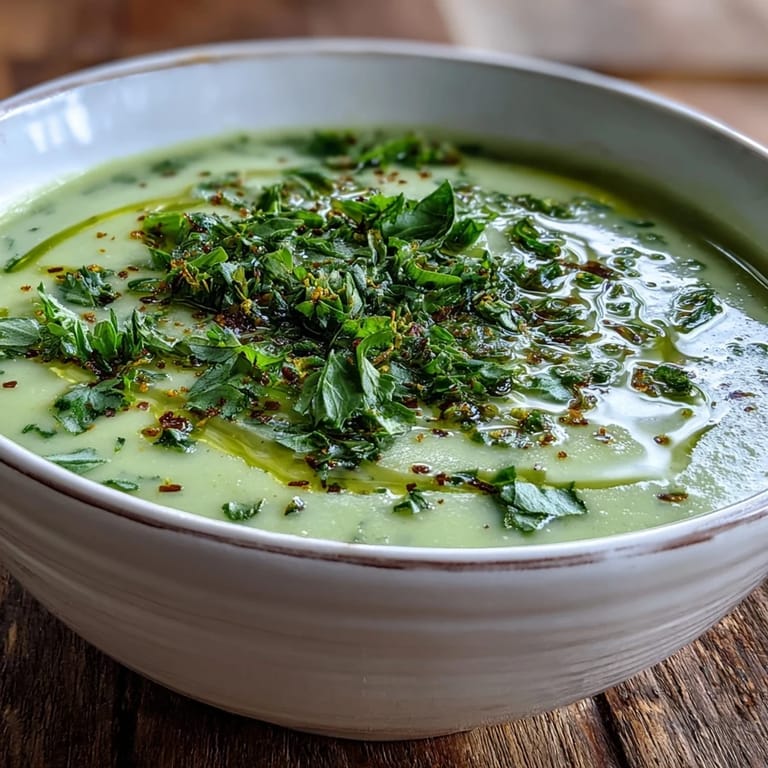
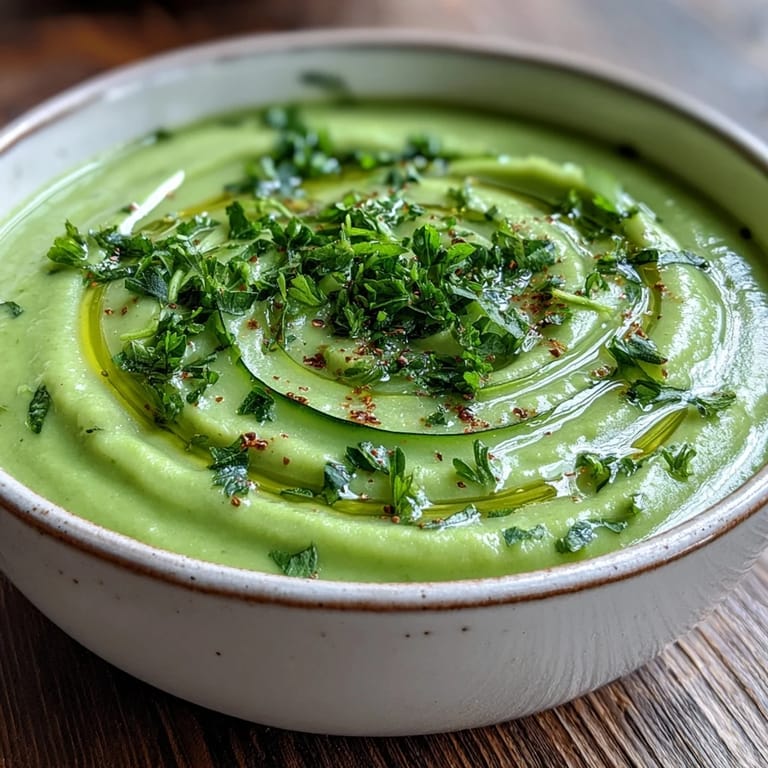
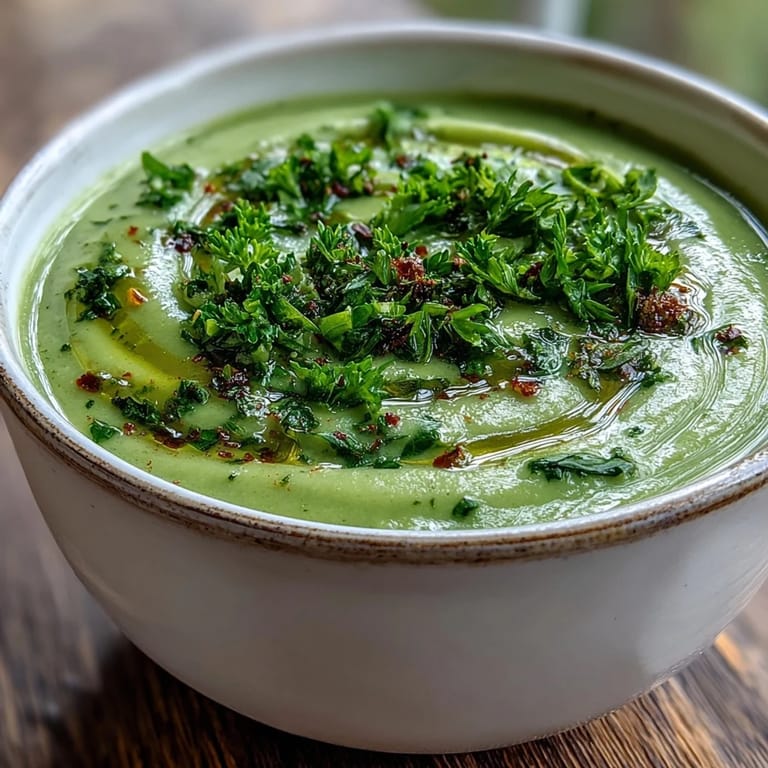
Ive learned that how you serve this soup can completely transform the experience. A drizzle of good olive oil creates tiny pools of richness on the surface, while a swirl of cream adds luxury. For texture contrast, I sometimes add a sprinkle of toasted pine nuts or pumpkin seeds. When serving as a starter, smaller portions in espresso cups make an elegant presentation that always impresses dinner guests.
Storage Tips
This soup develops even more complex flavor after a day in the refrigerator, making it perfect for meal prep. I often make a double batch on Sundays, storing individual portions in glass containers for quick lunches throughout the week. If youre planning to freeze portions, Id recommend holding off on adding the cream until after youve thawed and reheated it, as dairy can sometimes separate during freezing.
Seasonal Variations
While summer zucchini creates the most delicate version of this soup, Ive adapted it throughout the year with wonderful results. Winter squash like butternut creates a deeper, more golden version with subtle sweetness. Spring brings the opportunity to fold in tender young peas for color and freshness. Fall invites warming spices like a pinch of nutmeg or touch of curry powder to complement the changing season.
- For extra protein, stir in a can of drained white beans before blending for a more substantial meal.
- Roasting the zucchini instead of simmering adds a caramelized dimension perfect for cooler months.
- Try garnishing with edible flowers like nasturtiums or chive blossoms in spring for a beautiful presentation.
 Pin It
 Every spoonful of this zucchini soup feels like summer in a bowl, regardless of when you make it. Its become my go-to recipe for using up garden abundance, impressing guests, and nourishing myself when simplicity calls.
Recipe FAQs
- → Can I freeze zucchini soup?
Yes, freeze without the cream for up to 3 months. Thaw and reheat gently, then stir in cream after warming.
- → Is this better served hot or cold?
Both ways work beautifully. The silky texture shines chilled on hot days, while serving hot makes it comforting and warming.
- → How do I make it vegan?
Use coconut milk instead of cream and check that your vegetable broth is vegan-certified. The result is just as creamy and delicious.
- → Why add potato to zucchini soup?
Potato provides natural thickness and body without making the soup heavy. It creates that velvety, restaurant-quality texture.
- → Can I use frozen zucchini?
Fresh zucchini works best for flavor and texture. Frozen zucchini can become watery and affect the soup's silky consistency.