 Pin It
 My kitchen smelled like a spice market the afternoon my neighbor stopped by with a jar of homemade curry paste, and I realized I'd been making the same hummus for years without thinking twice about it. She spread hers on crackers, and the warm turmeric mixed with tahini and lemon created something I couldn't stop tasting. That conversation led me here, blending chickpeas with spices I already had, discovering that ten minutes and a food processor could transform a simple pantry into something that felt like cooking with intention.
I made this for my sister's book club last spring, and watching five different people reach for their third helping of something I'd made in my kitchen with confidence felt like the best kind of quiet victory. She still texts me asking when I'll bring it again, which tells me everything about whether this recipe deserves a permanent spot in your rotation.
Ingredients
- Chickpeas, drained and rinsed: The foundation here matters more than you'd think, because you're building creaminess without dairy, and these little beans deliver protein and that luxurious mouthfeel when blended properly.
- Tahini: This is what separates this from basic chickpea mash, adding nuttiness and helping everything blend into silk without needing cream or yogurt.
- Fresh lemon juice: Not the bottled kind if you can help it, because the brightness cuts through the spices and keeps everything tasting alive instead of heavy.
- Garlic clove, minced: One small clove is all you need, since blending amplifies everything, and garlic can quickly become overwhelming.
- Curry powder, ground cumin, ground turmeric, and cayenne pepper: These work together like a conversation, each one adding a different note that makes you want another bite.
- Olive oil: Use something you'd taste on its own, because it's not just a binder here, it's flavor and richness in one pour.
- Cold water: Your secret tool for achieving the exact texture you want without thinning out all the flavor you've built.
- Salt and black pepper: The final adjusters that wake everything up and remind you that seasoning is never truly finished until you've tasted it.
Tired of Takeout? 🥡
Get 10 meals you can make faster than delivery arrives. Seriously.
One email. No spam. Unsubscribe anytime.
Instructions
- Gather everything in your processor:
- Put the drained chickpeas, tahini, lemon juice, minced garlic, all your spices, olive oil, salt, and pepper into your food processor and get ready for the transformation. This moment feels small until you see what happens.
- Blend until it becomes something new:
- Pulse first, then let it run while you scrape the sides down with a spatula, watching as the grainy mixture slowly becomes creamy and cohesive. The sound changes from choppy to smooth when you know you're almost there.
- Add water gradually, tasting as you go:
- Pour cold water in slowly, one tablespoon at a time, blending between each addition until the consistency feels right in your mouth, not just in your mind. Some batches need more water than others depending on humidity and how wet your chickpeas were.
- Taste and adjust fearlessly:
- This is where you own it, adding a pinch more salt, a squeeze of lemon, or another whisper of curry powder until it tastes like something you'd actually want to eat. Trust your palate here.
- Transfer and finish:
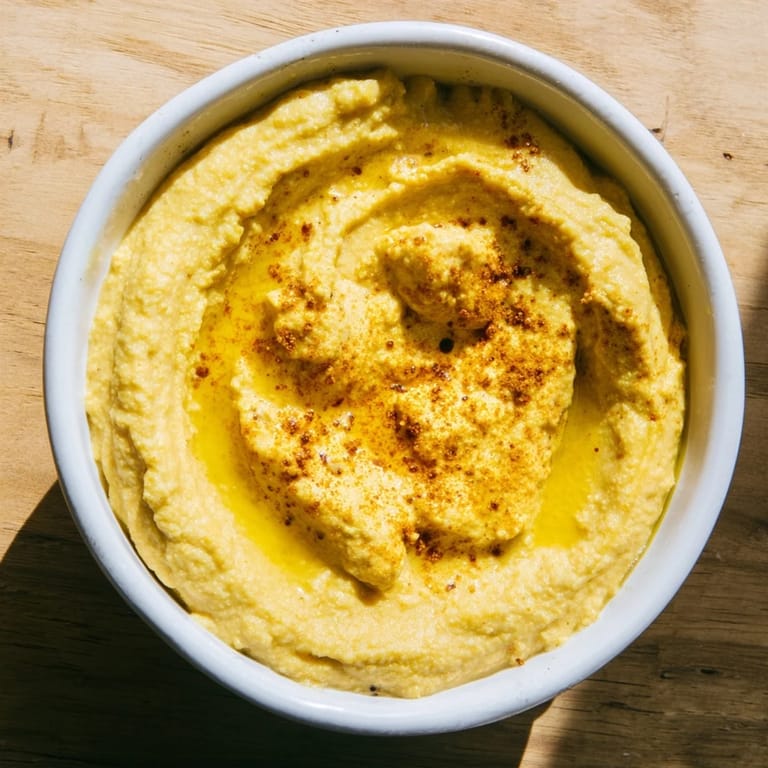
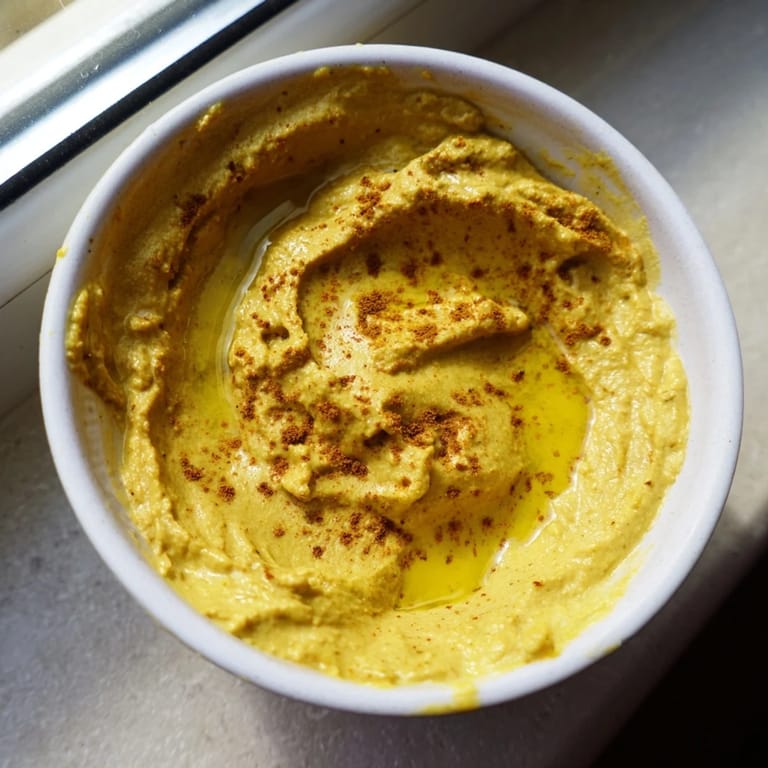
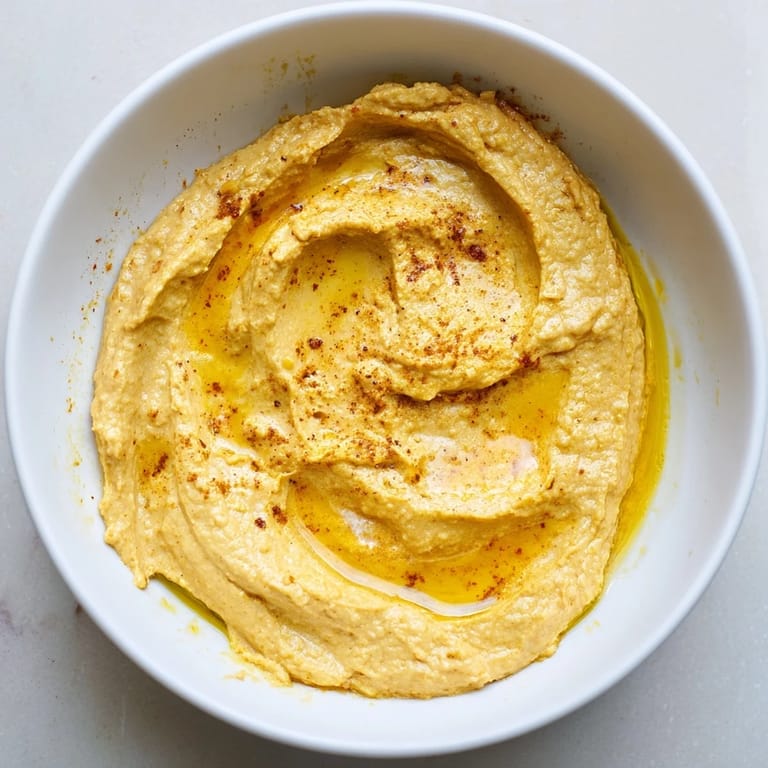
- Scoop everything into a serving bowl and drizzle with a little extra olive oil, maybe a light dusting of curry powder for color and promise. Serve right away or let it rest in the fridge.
 Pin It
 There was a moment at that book club when someone asked for the recipe, and instead of feeling possessive about it, I felt genuinely happy passing along something I'd learned to make. That's when dips stop being appetizers and start being tiny expressions of how you feed the people around you.
The Beauty of Simplicity
This recipe works because it doesn't try to be anything other than what it is, a bridge between pantry staples and something that tastes carefully made. No fancy techniques, no equipment beyond what most kitchens already have, just honest ingredients that talk to each other in a language everyone understands. That restraint is what makes it worth repeating.
When Spices Become Character
Curry powder gets a bad reputation in some cooking circles, but here it's the lead voice in a small ensemble, supported by turmeric's earthiness and cumin's warmth without being drowned out. I learned the hard way that these spices work better when they're already warm from being freshly ground, so if you have the time, toast them lightly in a dry pan before blending for a difference you'll taste immediately.
Serving and Storage Wisdom
This paste tastes best the day you make it, when all the flavors are sharp and present, but it actually improves slightly by the next day as everything settles into familiarity. Keep it in an airtight container in the coldest part of your fridge, and it'll stay good for about five days, though by day three you'll probably be scraping the bottom of the bowl anyway.
- Spread it on sandwiches, use it as a base for grain bowls, or thin it with lemon juice and olive oil to make a dressing.
- Serve with pita bread, naan, fresh vegetables, or crackers that can hold the weight of what you've made.
- If you want it spicy, add a small fresh chili blended in or double the cayenne, but taste as you go because heat is personal.
 Pin It
 Make this when you want to feel capable in the kitchen without stress, and share it with someone who'll appreciate what ten minutes of blending intention tastes like. It's comfort disguised as a dip, and that matters more than recipes usually admit.
Recipe FAQs
- → What can I serve with chickpea curry paste?
Serve with warm pita or naan bread, fresh vegetable sticks like carrots and cucumbers, crackers, or as a flavorful sandwich spread. It also works wonderfully as a base for grain bowls or mixed into soups.
- → How do I achieve the right consistency?
Start with the initial blend, then add cold water one tablespoon at a time while processing. The paste should be smooth and creamy but thick enough to hold its shape. Adjust based on your preference for spreading versus dipping.
- → Can I make this ahead of time?
Yes, this paste stores beautifully in an airtight container in the refrigerator for up to five days. You can also freeze it in portions for up to three months. Allow frozen portions to thaw in the refrigerator before serving.
- → How do I adjust the spice level?
Start with the optional cayenne pepper and gradually increase to your taste preference. For extra heat, blend in a small fresh chili or add more cayenne. For milder flavor, reduce the curry powder and cayenne, tasting as you go.
- → What if I don't have tahini?
You can substitute with an equal amount of almond butter, sunflower seed butter, or peanut butter for creaminess. The flavor profile will shift slightly, but the paste will still be delicious and smooth.
- → Is this suitable for meal prep?
Absolutely. This paste is excellent for meal prep as it keeps for five days refrigerated and travels well. Pack it in small containers and pair with pre-cut vegetables or flatbread for easy grab-and-go meals throughout the week.