 Pin It
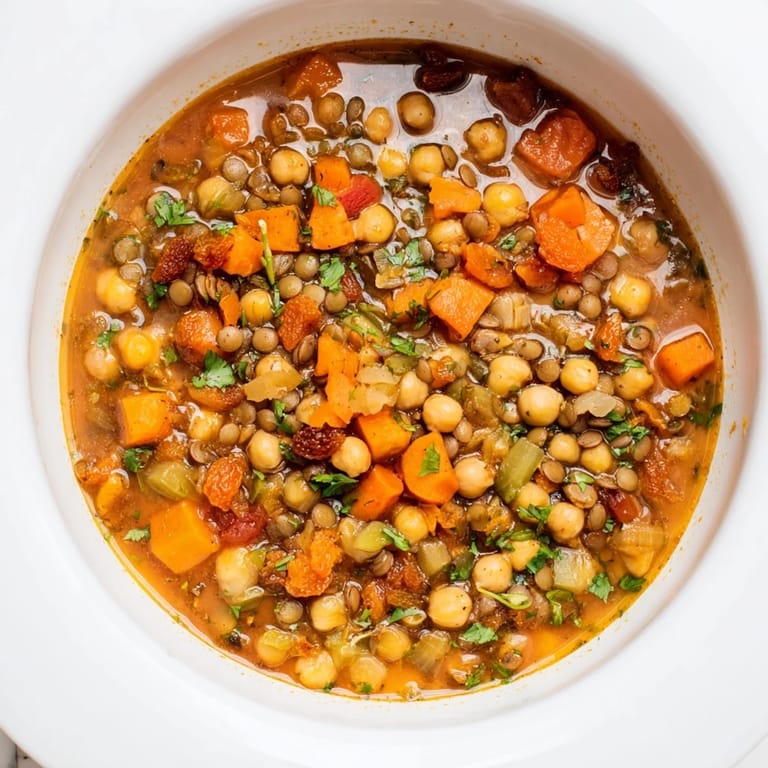
 The first time I tasted harira, I was sitting in a friend's kitchen in Marrakech, steam rising from a clay bowl while she told me about her grandmother's version. She said the secret wasn't in following rules but in tasting as you go, letting the spices whisper rather than shout. Years later, I recreate that moment every time I make this soup—not to chase nostalgia, but because something about the combination of warm cinnamon, bright lemon, and tender chickpeas just works. It's become my go-to when the weather turns cold or when I need to feed people something that feels both comforting and alive.
I once made this for my sister on a random Tuesday when she was going through a rough week, and she sat at the kitchen counter watching me chop vegetables while we talked about everything and nothing. By the time the soup was ready, the whole apartment smelled like cinnamon and earth, and somehow that was enough to shift the mood. She had three bowls and asked for the recipe the next morning. That's when I knew this wasn't just soup—it was the kind of food that does the heavy lifting when words aren't enough.
Ingredients
- Dried chickpeas (1 cup, soaked overnight) or canned (2 cups): They're the backbone here—soaking them overnight softens them evenly, but honestly, canned chickpeas work beautifully if you're short on time and don't need the judgment.
- Dried lentils (1/2 cup): These cook faster than chickpeas and add earthiness plus extra fiber and protein.
- Olive oil (2 tbsp): Quality matters here since it's one of the few fats in the soup—it carries the flavors of the aromatics into the broth.
- Onion, celery, carrots (1 large onion, 2 celery stalks, 2 medium carrots): This aromatic base is non-negotiable; it's where the soup's flavor foundation begins.
- Garlic (3 cloves, minced): Always use fresh garlic in this soup—powdered garlic tastes flat against the other spices.
- Canned tomatoes (400 g) and tomato paste (2 tbsp): The tomato paste concentrates flavor in a way fresh tomatoes alone can't, so don't skip it.
- Cumin, cinnamon, ginger, turmeric, paprika (1 tsp each cumin and cinnamon, 1/2 tsp each ginger, turmeric, paprika): This spice blend is what makes harira unmistakable—the cinnamon especially catches people off guard in the best way.
- Cayenne pepper (1/4 tsp, optional): Add it only if you like heat; the soup is satisfying without it.
- Vegetable broth (6 cups): Use a good-quality, low-sodium broth so you can control the salt and taste the actual flavors.
- Dried apricots (1/2 cup, chopped): They dissolve slightly into the broth and add natural sweetness that balances the tomato's acidity.
- Fresh cilantro and parsley (1/4 cup each): These go in at the end to brighten everything—they're what make it taste fresh, not old.
- Lemon juice (1 juice of 1 lemon): This final squeeze ties everything together; it's as important as salt.
Tired of Takeout? 🥡
Get 10 meals you can make faster than delivery arrives. Seriously.
One email. No spam. Unsubscribe anytime.
Instructions
- Build Your Base:
- Heat the olive oil in a large pot over medium heat and add the chopped onion, celery, and carrots. You'll know they're ready when the onions turn translucent and the kitchen smells sweet—usually about 6 to 8 minutes. Listen for the gentle sizzle; if it's too loud, your heat is too high.
- Wake Up the Spices:
- Add the minced garlic and all your spices to the softened vegetables. Stir constantly for about a minute—you'll feel the change as the spices release their oils and the whole pot smells instantly warmer. This step is crucial because it removes the raw edge from the spices.
- Deepen the Flavor:
- Stir in the tomato paste and let it cook for another minute, then add the canned tomatoes, drained chickpeas, rinsed lentils, and chopped apricots. Mix everything until the tomato paste is fully incorporated and there are no dry pockets of spice left at the bottom.
- Let It Simmer:
- Pour in the vegetable broth and bring everything to a boil, then reduce the heat to low and let it simmer uncovered for 45 to 50 minutes. Stir occasionally and taste a chickpea around the 40-minute mark—they should be tender but not falling apart. The lentils will mostly dissolve, which is fine.
- Finish with Brightness:
- Stir in the fresh cilantro, parsley, and lemon juice. Taste and adjust with salt and black pepper until it feels balanced—neither too salty nor too bland. The lemon should brighten everything without making it taste citrusy.
- Make It Heartier (Optional):
- If you want a more substantial soup, stir in cooked vermicelli or rice right before serving. This is traditional and transforms it into a more filling dish.
- Serve with Intention:
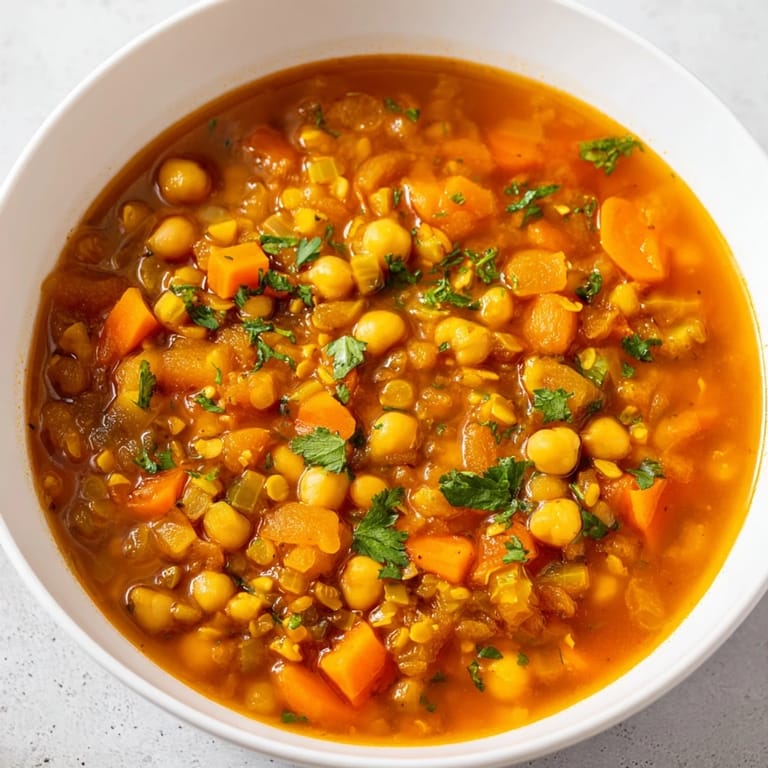
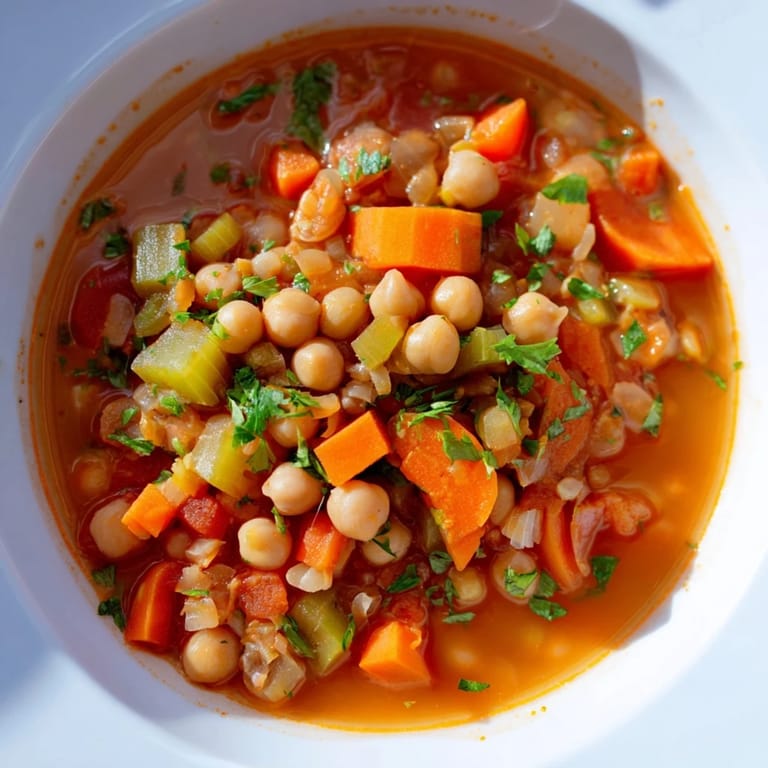
- Ladle the soup into bowls and top with extra fresh herbs, a lemon wedge, and maybe a drizzle of olive oil if you're feeling generous.
 Pin It
 There's something humbling about watching a pot of separate ingredients transform into something cohesive and warm. When friends ask what makes this soup special, I tell them it's not magic—it's patience and the willingness to let flavors build slowly. That's when cooking stops being a task and becomes a small meditation.
The Story Behind North African Spices
Harira belongs to a family of soups shared across Morocco, Tunisia, and Algeria, each region claiming its own version with slight variations. The spice blend—cinnamon mixed with cumin and ginger—reflects centuries of trade routes where these flavors arrived from distant places and became woven into everyday cooking. Understanding this history makes the soup taste like more than just a recipe; it tastes like continuity.
Variations and Adaptations
I've made this soup with chickpeas only (skipping the lentils), added a pinch of saffron for luxury, and once even stirred in a small spoonful of harissa paste for depth and heat. Some people add dried figs instead of apricots, and I've seen versions with chickpea flour whisked in at the end for extra body. The core is flexible—what matters is respecting the sweet-savory-spicy balance that makes harira distinctive.
Serving and Storing Tips
This soup is forgiving and holds up beautifully. It reheats gently on the stovetop or in the microwave, and you can store it in the refrigerator for up to 4 days or freeze it for up to 2 months—though I rarely freeze it because I keep eating it. Serve it as a standalone course or alongside warm flatbread, and always have lemon wedges within reach because that final squeeze of acidity is what makes it sing.
- On cooler evenings, serve it piping hot in deep bowls with extra cilantro scattered on top.
- If you're feeding vegetarians or vegans, double-check your broth is plant-based and you've skipped any optional meat additions.
- Leftover soup can be thinned with broth and served cold as a light, spiced gazpacho on warmer days—it's unexpected and delicious.
 Pin It
 Make this soup when you want to nourish both yourself and whoever is around you. It's the kind of food that belongs in your regular rotation, not just for special occasions.
Recipe FAQs
- → What legumes are used in harira?
Harira traditionally includes chickpeas and lentils, which provide a hearty texture and protein.
- → Which spices give harira its distinctive flavor?
Key spices like cumin, cinnamon, turmeric, and a touch of cayenne create the warm, aromatic profile.
- → Can harira be made vegan and dairy-free?
Yes, using vegetable broth ensures the dish remains vegan and dairy-free while keeping its rich flavor.
- → How long should harira be simmered?
Simmering for about 45-50 minutes allows the legumes to soften and flavors to meld perfectly.
- → What garnishes enhance harira’s flavor?
Fresh cilantro, parsley, lemon wedges, and optional vermicelli or rice add brightness and texture.
- → Is it possible to prep harira in advance?
Harira tastes even better the next day as the spices deepen, making it ideal for meal prep.