 Pin It
 I was standing in front of a farmers market apple stand when the idea came to me. The vendor was pouring fresh cider into sample cups, and the smell of it, sharp and slightly sweet, made me think of pork. Not just any pork, but the kind that falls apart under a fork after hours in the oven. I bought a gallon of cider that day and went home to figure it out.
The first time I made this, I had friends coming over and I was nervous about timing. I kept opening the oven to check, letting all the heat out like an amateur. But the pork forgave me. It came out golden and glossy, and when I pulled it apart with two forks, everyone got quiet. We ate it with our hands, standing around the counter, dipping crusty bread into the glaze pooled on the cutting board.
Ingredients
- Bone-in pork shoulder: The bone adds flavor and helps the meat stay moist during the long roast. Look for one with a good fat cap and ask the butcher to score the skin if it isnt already.
- Olive oil: This helps the seasoning stick and starts the browning process. Dont skip rubbing it everywhere, even the awkward crevices.
- Kosher salt and black pepper: Season generously. The salt pulls moisture to the surface and helps create that crispy skin you want.
- Onion and garlic: They sit under the pork and soften into a sweet, savory base that flavors the drippings. Smash the garlic with the flat of your knife to release the oils.
- Fresh rosemary and thyme: These get a little charred and smoky under the meat. If you only have one or the other, double it up.
- Apple cider: The backbone of the glaze. Use the good stuff, unfiltered if you can find it. It reduces down into something rich and almost syrupy.
- Apple cider vinegar: Cuts through the sweetness and adds a bright, tangy edge that keeps the glaze from feeling heavy.
- Dijon mustard: Adds depth and a subtle sharpness. It also helps the glaze cling to the pork instead of sliding off.
- Light brown sugar: Just enough to balance the acidity and help with caramelization. Dark brown sugar works too if thats what you have.
- Unsalted butter: Whisked in at the end, it makes the glaze glossy and smooth. This is the step that makes it look professional.
Tired of Takeout? 🥡
Get 10 meals you can make faster than delivery arrives. Seriously.
One email. No spam. Unsubscribe anytime.
Instructions
- Get the pork ready:
- Pat the pork dry with paper towels, then rub it all over with olive oil, salt, and pepper. Really work it into the scored skin. This is where the flavor starts.
- Build the roasting base:
- Toss the onion, garlic, rosemary, and thyme into the bottom of your roasting pan. Nestle the pork on top, skin side up. The aromatics will perfume the meat as it cooks.
- Slow roast:
- Slide it into a 300°F oven and let it go for 4 hours. Every hour, open the oven and baste the pork with the juices pooling in the pan. Its a small step that makes a big difference in moisture and flavor.
- Make the glaze:
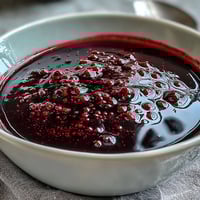
- While the pork is doing its thing, combine the cider, vinegar, mustard, brown sugar, and pepper in a saucepan. Bring it to a boil, then let it simmer until it reduces by half and thickens enough to coat a spoon. Whisk in the butter at the end and keep it warm.
- Crank the heat and glaze:
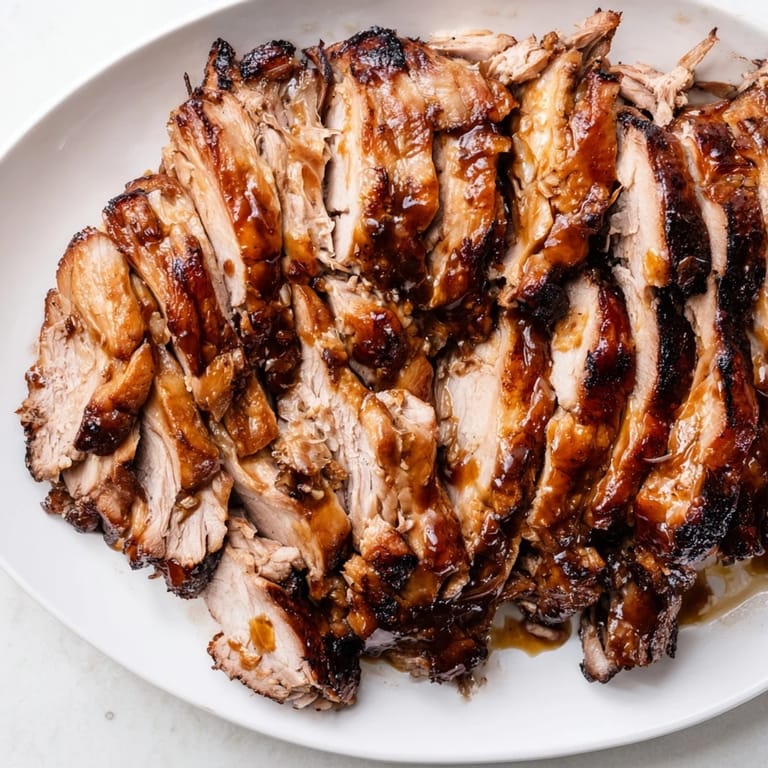
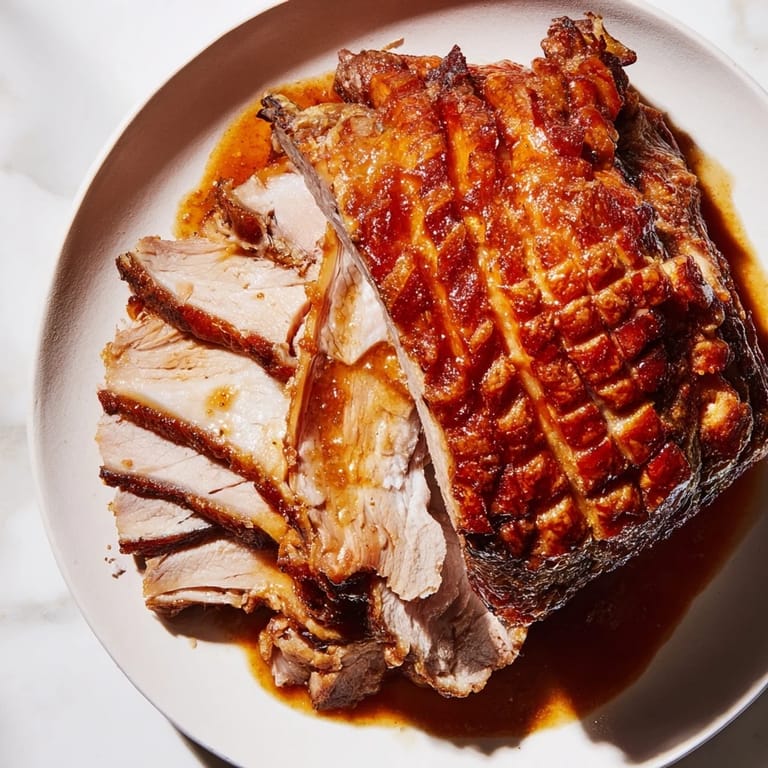
- After 4 hours, turn the oven up to 425°F. Brush the pork generously with glaze, then roast for another 20 to 30 minutes, brushing again halfway through. The skin should turn deep golden and crackly.
- Rest and serve:
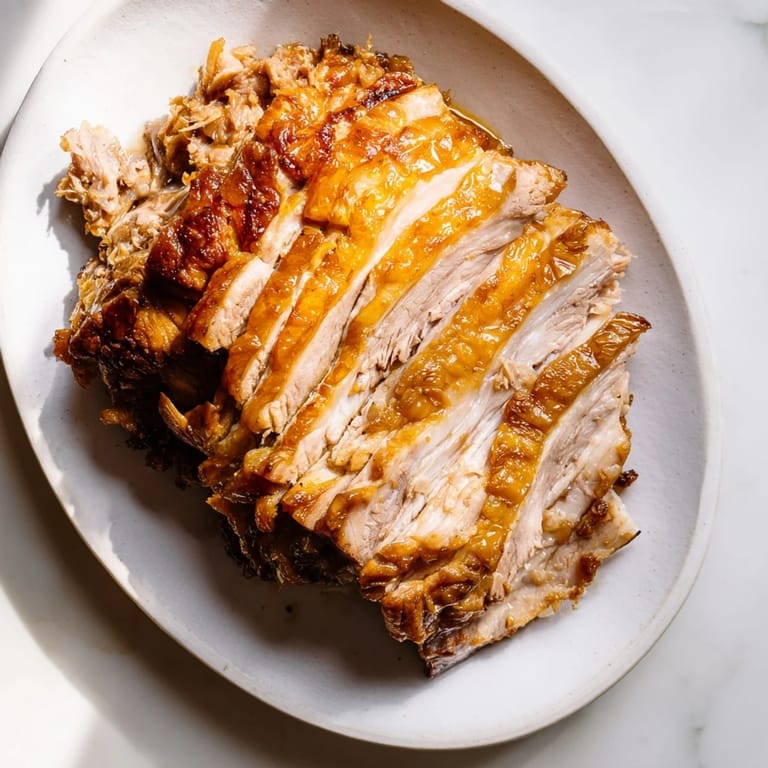
- Pull the pork out and tent it loosely with foil. Let it rest for 20 minutes so the juices settle back in. Then slice or shred it and drizzle with more glaze.
 Pin It
 There was a Sunday afternoon when I made this and realized halfway through that I didnt have anyone coming over. It was just me, the pork, and a bottle of wine I opened too early. I ate it slowly, with roasted carrots and a heap of mashed potatoes, and it felt like the kind of meal that makes being alone feel less like loneliness and more like good company.
How to Get the Skin Really Crispy
If you want crackling that shatters when you bite it, finish the pork under the broiler for 2 to 3 minutes after the final glaze. Watch it like a hawk because it goes from perfect to burnt fast. The high heat makes the skin bubble up and crisp in a way the oven alone cant quite manage. Just make sure the glaze is already set so it doesnt scorch.
What to Serve It With
This pork loves anything that can soak up the glaze. Mashed potatoes are obvious but theyre obvious for a reason. Roasted root vegetables, especially carrots and parsnips, pick up a little char and sweetness that mirrors the cider. A crisp apple slaw with a sharp vinegar dressing cuts through the richness and makes the whole plate feel balanced. Crusty bread is non-negotiable.
Storage and Leftovers
Leftover pork keeps in the fridge for up to four days and actually gets better as it sits. The flavors settle and deepen. Reheat it gently in a low oven with a splash of the glaze or some broth to keep it from drying out. You can also shred it and use it in sandwiches, tacos, or tossed with pasta and greens. The glaze freezes beautifully if you made extra.
- Let the pork cool completely before storing it in an airtight container.
- Freeze portioned servings with a little glaze for easy weeknight dinners later.
- If reheating from frozen, thaw overnight in the fridge first for even warming.
 Pin It
 This is the kind of dish that makes people linger at the table long after theyve finished eating. Make it when you want your kitchen to feel like the heart of something warm and unhurried.
Recipe FAQs
- → How do I achieve crispy skin on the pork shoulder?
Finish the pork under the broiler for 2–3 minutes after applying the cider glaze to get a deep golden, crispy crust.
- → Can I prepare the cider glaze in advance?
Yes, the glaze can be made ahead and gently reheated before glazing the pork during the final roast phase.
- → What sides pair well with this dish?
Roasted root vegetables, mashed potatoes, or a crisp apple slaw complement the rich flavors nicely.
- → Can I substitute the apple cider in the glaze?
Hard cider may be used for a more complex flavor, adjusting sweetness and acidity to taste.
- → How long should the pork rest after roasting?
Rest the pork loosely covered with foil for about 20 minutes to allow juices to redistribute before slicing.