 Pin It
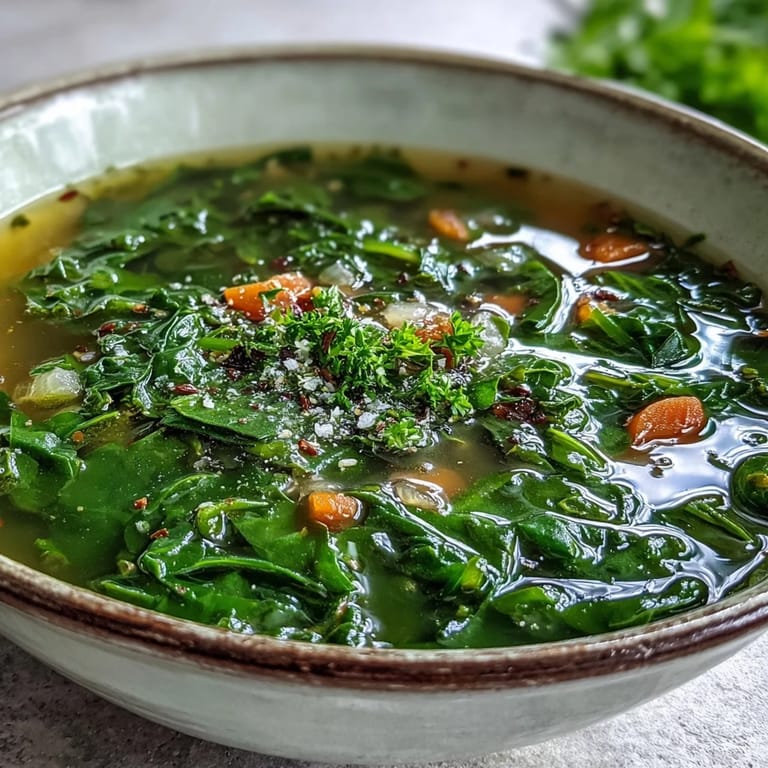
 The first time I made Swiss chard soup, I'd stumbled across a forgotten bundle of rainbow chard hiding in the back of my fridge drawer. Standing there with a half-empty pantry and rain tapping against the kitchen window, I felt that familiar challenge of creating something from almost nothing. As I rinsed the vibrant stems under cool water, separating them from their leafy tops, the kitchen filled with that distinct earthy scent that only fresh greens provide. What began as a practical solution to avoid waste became one of my most treasured comfort recipes.
Last autumn, my neighbor dropped by unexpectedly just as this soup was simmering on the stove. The steam had fogged up my kitchen windows, and the whole house smelled of garlic and vegetables. We ended up sharing bowls at my kitchen table, tearing chunks of crusty bread and talking until well past sunset. She asked for the recipe three times before leaving, and now whenever I make it, I think of that impromptu dinner and how good food creates connection without even trying.
Ingredients
- Swiss chard: Separate the stems from the leaves as they cook at different rates, and dont discard those colorful stems, they add wonderful texture and a slightly sweet flavor that balances the earthiness of the leaves.
- Yellow onion: The way an onion slowly turns translucent and sweet is the foundation of this soups flavor, so take your time with this initial sauté step.
- Garlic: I accidentally doubled the garlic once when distracted by a phone call and discovered it was actually better that way, creating this beautiful aromatic base that stays with you.
- Lemon juice: Added at the end, this bright note lifts everything and cuts through the richness, making each spoonful feel fresh and lively.
Tired of Takeout? 🥡
Get 10 meals you can make faster than delivery arrives. Seriously.
One email. No spam. Unsubscribe anytime.
Instructions
- Create your flavor base:
- Heat that olive oil until it shimmers slightly, then add your chopped onion, carrots and celery. Youll hear a satisfying sizzle as they hit the hot oil, but keep the heat moderate so they soften without browning too quickly.
- Layer in the aromatics:
- When you add the garlic and chard stems, the kitchen will suddenly fill with an incredible fragrance. Stir them frequently to prevent any sticking or burning.
- Green transformation:
- As you add those dark leafy greens, theyll seem overwhelming at first but watch as they wilt down into the broth. The pot will transform before your eyes into something truly beautiful.
- Gentle simmer:
- Keep the heat low enough that you see gentle bubbles rather than a rolling boil. This slow cooking lets all the flavors meld without making the vegetables mushy.
- Brighten everything:
- That squeeze of lemon at the end might seem small but its like turning on a light in a dim room. Taste the difference before and after adding it, and youll see why this final touch matters so much.
 Pin It
 A few winters ago, I made this soup during a power outage, working by candlelight at our gas stove. The simplicity of the process was oddly comforting, chopping vegetables without the distraction of music or podcasts. We ate in the dim light of our living room, the soup warming our hands through the bowls, and somehow it tasted better than ever. Now sometimes I turn off all distractions intentionally when making it, finding a moment of mindfulness in the rhythm of the knife against the cutting board.
Making It Your Own
The beauty of this soup lies in its adaptability to whatever your pantry offers. One memorable evening when groceries were sparse, I tossed in a handful of red lentils that thickened the broth beautifully. Another time, desperate for protein, I stirred in leftover shredded chicken from the night before. Each variation taught me something new about building flavors from simple ingredients, proving that good cooking often happens when we work with limitations rather than despite them.
Seasonal Adjustments
Ive found this soup shifts beautifully with the seasons, becoming almost a calendar for my kitchen. In summer, I make it lighter, sometimes adding fresh corn cut straight from the cob and finishing with basil instead of parsley. Come autumn, I might stir in a diced sweet potato or butternut squash, letting their natural sweetness deepen the broth. Winter calls for extra garlic and perhaps some warming spices like a pinch of nutmeg, while spring might bring tender new peas or even a handful of fresh fava beans.
Serving Suggestions
The quiet elegance of this soup truly shines in how you choose to serve it. Sometimes its the main event, ladled into deep bowls with crusty bread for dipping, while other times it becomes the opening act before a simple pasta dish or salad. Ive eaten it for breakfast on particularly cold mornings, and packed it in a thermos for lunch breaks that needed something restorative.
- For a complete meal, serve alongside a hearty grain salad with farro or barley.
- A piece of toast rubbed with garlic and drizzled with olive oil makes an excellent companion for dipping.
- If you have herbs growing in your kitchen, snip whatever looks good right onto the top of each bowl, bringing freshness and color.
 Pin It
 This humble soup has taught me that nourishment isnt always about complexity or expense. Sometimes its found in the simple act of transforming overlooked ingredients into something that fills both belly and spirit.
Recipe FAQs
- → Can I use other greens instead of Swiss chard?
Kale, spinach, or collard greens work beautifully as substitutes. Keep in mind that spinach cooks much faster, so add it during the last 5 minutes of simmering.
- → How do I store leftovers?
Store cooled soup in an airtight container in the refrigerator for up to 4 days. The flavors continue to develop over time. Reheat gently on the stovetet, adding a splash of broth if needed.
- → Can I freeze this soup?
Yes, freeze in portions for up to 3 months. Note that the texture of the Swiss chard may soften slightly upon thawing, but the flavor remains excellent.
- → What can I serve with this soup?
Crusty bread, garlic focaccia, or a simple green salad complement this dish perfectly. Grilled cheese sandwiches also make a classic pairing.
- → How can I make this more filling?
Add white beans, diced potatoes, or small pasta shapes during the simmering stage. A dollop of pesto or a drizzle of good olive oil before serving also adds richness.