 Pin It
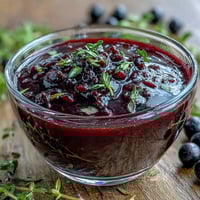
 There's a moment in late summer when black currants arrive at the market, dark as jewels and intensely fragrant, that I can't resist building an entire dinner around them. A friend once described this sauce as "the reason duck exists," and after my first attempt—which admittedly turned into a burnt puddle on the stovetop—I finally understood what she meant. The balance of tart fruit, deep wine, and a whisper of herbs transforms ordinary roasted meat into something that tastes like you spent all day cooking. It's become my secret weapon for impressing people without the actual effort.
I made this for a dinner party on a rainy October evening when I'd overcommitted to cooking but had zero desire to spend hours in the kitchen. My guests arrived slightly early, catching me mid-chop with wine already open and black currants staining my fingers purple. By the time we sat down, that glossy, dark sauce was pooling around perfectly seared duck breast, and someone actually asked for the recipe before dessert—a rarity in my experience.
Ingredients
- Black currants (1 cup, fresh or frozen): These are the soul of the sauce—tart, slightly floral, and nothing like regular currants. Frozen work beautifully and are often easier to find than fresh; no thawing needed.
- Dry red wine (1 cup): Use something you'd actually drink, not a cooking wine that tastes like regret. The wine reduces down and becomes the backbone, so quality matters here.
- Chicken or vegetable stock (1/2 cup): This adds body and prevents the sauce from becoming one-dimensional; it's the unsung player that makes everything sing together.
- Balsamic vinegar (2 tbsp): A touch of this adds roundness and subtle sweetness without making the sauce cloying or obvious.
- Shallot (1 small, finely chopped): Shallots mellow beautifully when cooked and give you a whisper of allium without the harsh bite of garlic.
- Fresh thyme and bay leaf: These aromatics infuse the sauce with gentle herbal notes that complement game and rich meats perfectly.
- Granulated sugar (2 tbsp): Just enough to balance the tartness of the currants and vinegar; resist the urge to add more or you'll mask the complexity.
- Black pepper and sea salt: Freshly ground pepper makes a real difference here; pre-ground tastes flat and tired by comparison.
- Cold unsalted butter (2 tbsp): The final butter mount is what makes this sauce glossy and restaurant-quality; it emulsifies into the reduction and coats your palate beautifully.
Tired of Takeout? 🥡
Get 10 meals you can make faster than delivery arrives. Seriously.
One email. No spam. Unsubscribe anytime.
Instructions
- Build your aromatics foundation:
- Melt a tablespoon of butter in a medium saucepan over medium heat, then add your finely chopped shallot. Listen for that gentle sizzle and watch the shallot turn from opaque white to translucent gold—this takes about 2 to 3 minutes and smells like the beginning of something good.
- Combine all the main players:
- Add the black currants, red wine, stock, balsamic vinegar, thyme sprig, bay leaf, sugar, salt, and pepper to the pan and stir everything together. The mixture will look loose and watery at this point, but trust the process.
- Reduce and concentrate:
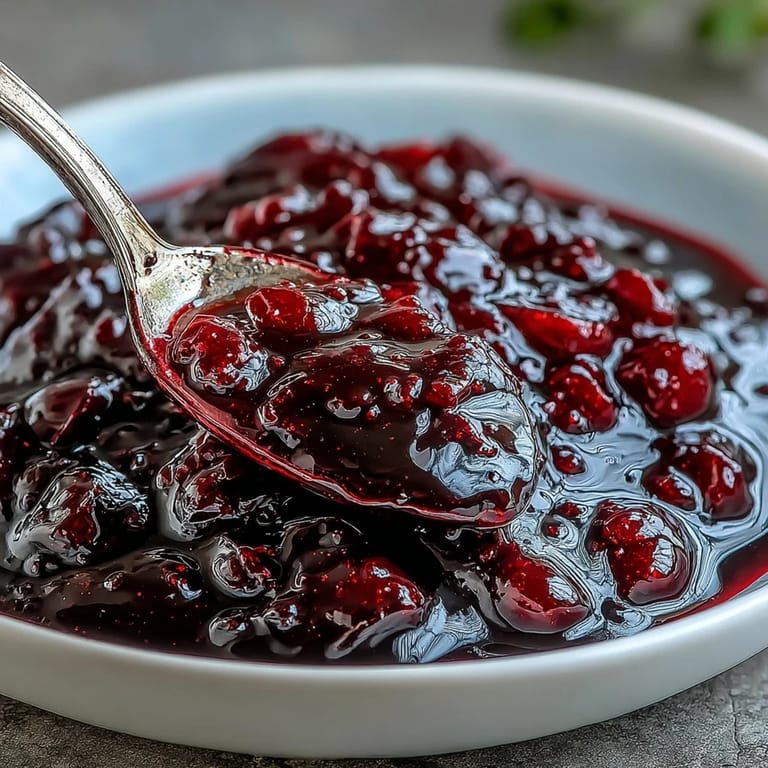
- Bring everything to a gentle boil, then immediately drop the heat to low and let it simmer uncovered for 15 to 20 minutes. Stir occasionally and watch as the liquid slowly thickens and darkens, becoming increasingly fragrant and syrupy—this is when you know it's working.
- Strain away the solids:
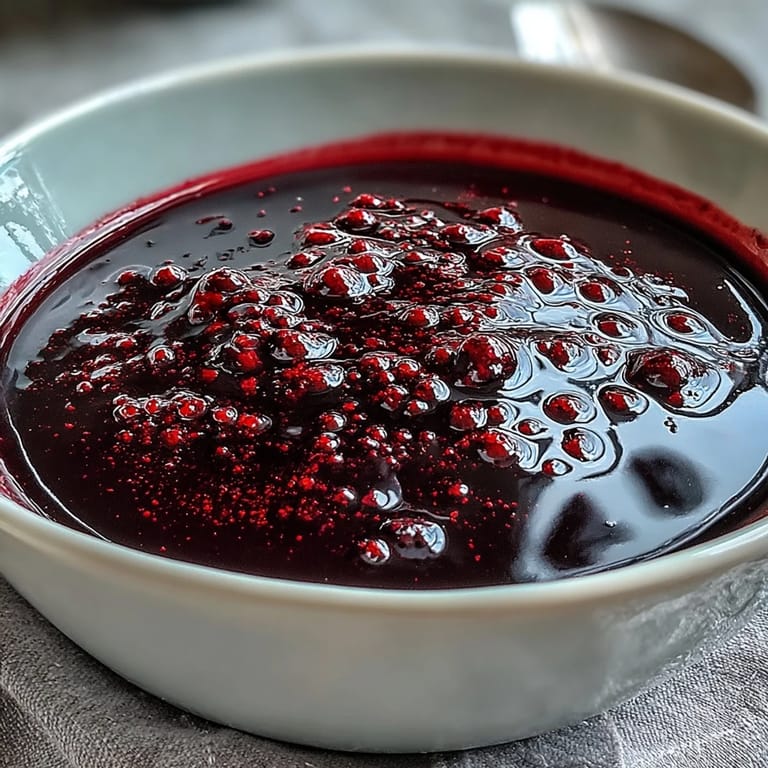
- Fish out the thyme sprig and bay leaf, then pour the sauce through a fine mesh strainer into a clean saucepan, pressing down gently on the currants to extract every drop of liquid. You'll end up with a smooth, deep purple-red sauce that's already beautiful enough to serve.
- Finish with butter for silk and shine:
- Return the strained sauce to low heat and whisk in your remaining cold butter one cube at a time, letting each piece fully incorporate before adding the next. The sauce will transform from matte to glossy and develop a luxurious texture that clings to meat instead of sliding off.
- Taste, adjust, and serve:
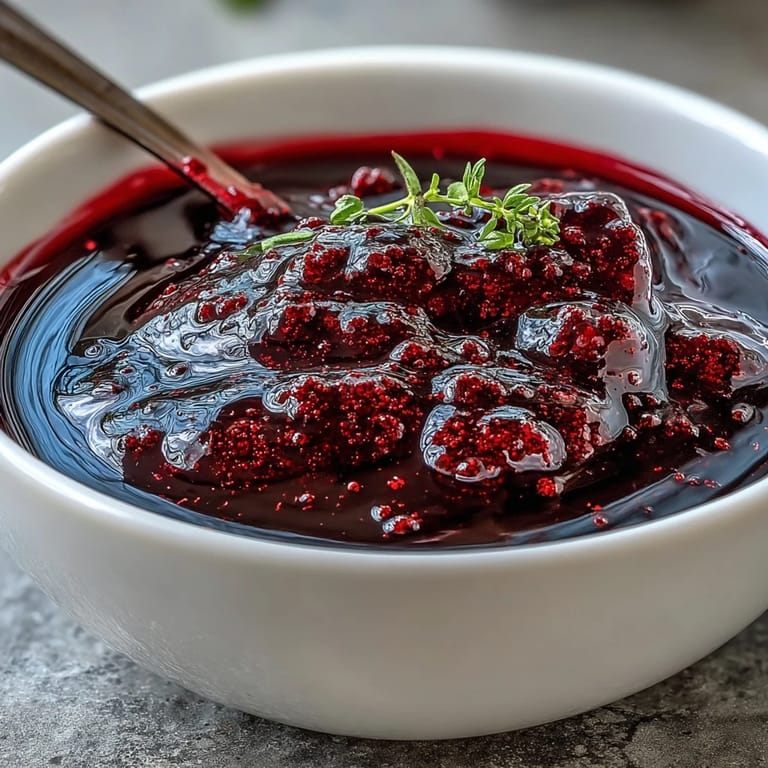
- Give the sauce a final taste and adjust salt, pepper, or a splash of extra vinegar if it needs sharpening. Serve it warm drizzled generously over roasted duck, pork, venison, or alongside a charcuterie board.
 Pin It
 This sauce taught me that sometimes the most impressive dishes come from respecting simple ingredients rather than complicating them. Years ago, a mentor once told me that a good reduction is a conversation between fruit, acid, and heat—and watching those three elements finally understand each other in the pan is genuinely satisfying in a way that most cooking moments aren't.
Why This Sauce Changes Everything
A basic roasted duck breast is delicious, but this sauce elevates it into something memorable and intentional. The black currant's natural tartness cuts through rich, fatty meats in a way that feels both elegant and effortless, like you're serving restaurant food at home. I've learned that the best dinner parties happen when you're confident enough to serve something simple and concentrated rather than complicated—and this sauce is the definition of that philosophy.
Timing and Make-Ahead Strategy
The beauty of this sauce is that it actually improves if made a day or two ahead; the flavors deepen and become more integrated as it sits in the fridge. When you're ready to serve, gently reheat it over low heat or in a double boiler, stirring occasionally, until it's warm and glossy again. This means you can focus on getting your meat perfectly cooked instead of juggling three pans at the last minute.
Variations and Flavor Explorations
Once you master the basic version, you start discovering endless ways to play with this sauce depending on what you're serving it with. For venison or game birds, I sometimes add a splash of crème de cassis (black currant liqueur) in place of a bit of the wine, which adds a subtle floral depth that the hunting crowd seems to appreciate. If you want more brightness, a tiny splash of extra balsamic or even sherry vinegar at the very end sharpens everything up beautifully without making it sour.
- Try it with a pinch of ground juniper or a whisper of star anise for dishes where you want an unexpected spice note.
- Make it vegetarian by using vegetable stock instead of chicken, and serve it over roasted mushrooms, beets, or even roasted tomatoes for a completely different vibe.
- Store any leftover sauce in a glass jar in the fridge for up to 4 days, or freeze it in ice cube trays for portions you can thaw whenever inspiration strikes.
 Pin It
 This sauce has become my answer to "what do I cook for someone I want to impress," and I hope it becomes yours too. There's real joy in watching people's faces when they taste something that tastes this intentional and delicious.
Recipe FAQs
- → What meats pair best with this sauce?
Black currant reduction complements roasted duck, pork tenderloin, venison, lamb, and game birds exceptionally well. It also adds elegance to charcuterie boards and pairs beautifully with strong cheeses and pâtés.
- → Can I use frozen black currants?
Yes, frozen black currants work perfectly in this reduction. Thaw them slightly before adding to the pan, and expect the simmering time to increase by 2-3 minutes to account for the extra moisture content.
- → How long will this sauce keep?
Store in an airtight container in the refrigerator for up to 5 days. Gently reheat over low heat, whisking to restore the glossy texture. The flavors often develop and improve after a day of resting.
- → What can I substitute for red wine?
For a non-alcoholic version, replace red wine with additional stock mixed with a tablespoon of grape juice or pomegranate juice. Alternatively, use port wine for a richer, sweeter profile that works beautifully with game meats.
- → Why strain the sauce before adding butter?
Straining removes the skins, seeds, and cooked aromatics, creating a smooth, velvety texture. The butter emulsifies better in a clear liquid, resulting in that professional glossy finish that coats the back of a spoon.
- → Can I make this dairy-free?
Omit the butter entirely for a lighter sauce, or substitute with a dairy-free alternative. Without butter, the sauce won't have the same glossy finish but will still deliver excellent concentrated flavor.