 Pin It
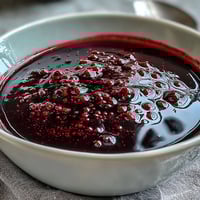
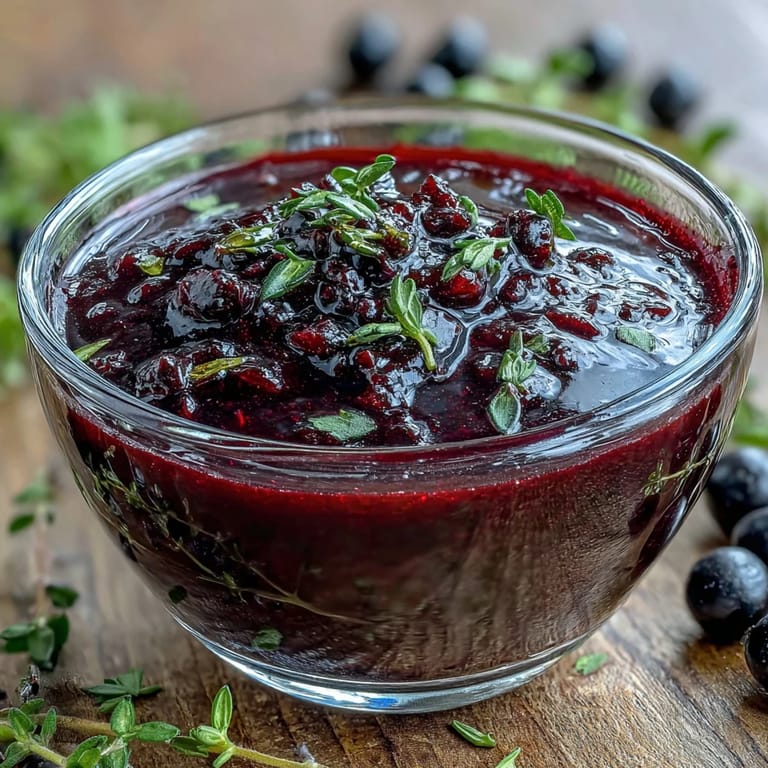
 There's a moment every summer when I realize the farmers market has black currants again, and I find myself drawn back to a vinaigrette I discovered almost by accident. A friend had left a bottle of black currant juice on my counter, and rather than let it sit untouched, I started experimenting with it in the kitchen one lazy afternoon. That first taste—tart, floral, with an almost jeweled quality—changed how I thought about salad dressings entirely. Now whenever those dark berries appear in season, I make a batch of this and watch how it transforms everything it touches into something unexpectedly elegant.
I made this for a dinner party where someone had brought a mountain of roasted beets, and I wasn't sure what dressing would do them justice. The black currant vinaigrette turned out to be exactly right—it cut through the earthiness while celebrating the sweetness underneath. My neighbor asked for the recipe before dessert even arrived, and I realized I'd found something special worth sharing regularly.
Ingredients
- Black currant juice (unsweetened): This is the star, bringing a tart berry complexity you can't fake with anything else; look for it in the juice aisle or specialty sections, and avoid versions with added sugar that will throw off the balance.
- Red wine vinegar or apple cider vinegar: Your choice here depends on mood—red wine vinegar feels more refined, while apple cider brings a gentler tanginess that works beautifully if your black currant juice is particularly bold.
- Fresh lemon juice: Never skip this; it adds brightness and prevents the dressing from feeling one-dimensional.
- Extra virgin olive oil: This is where quality matters because it's the body of the dressing; a peppery oil adds depth, while a buttery one smooths everything out.
- Dijon mustard: Acts as an emulsifier and contributes a subtle spice that makes the whole thing feel grown-up and intentional.
- Honey or maple syrup: Optional, but keeps in your pocket as backup if your black currant juice is more tart than sweet.
- Shallot (finely minced): Adds a whisper of onion flavor and texture; the mincing matters because larger pieces will overpower rather than enhance.
- Sea salt and freshly ground black pepper: Don't underestimate these two—tasting as you go ensures the dressing comes alive rather than staying flat.
Tired of Takeout? 🥡
Get 10 meals you can make faster than delivery arrives. Seriously.
One email. No spam. Unsubscribe anytime.
Instructions
- Gather your liquids and flavorings:
- Pour the black currant juice, vinegar, and lemon juice into a medium bowl, then add the mustard, honey if using, minced shallot, salt, and pepper. Whisk everything together until the shallot is evenly distributed and you can see the mustard fully integrated into the mixture.
- Emulsify with oil:
- This is the step that separates a vinaigrette from a separated puddle—slowly drizzle the olive oil in while whisking constantly, as if you're coaxing the oil to marry with the acidic base rather than fighting it. You'll feel the mixture thicken slightly and become glossy, which means the emulsion is working.
- Taste and adjust:
- This is where intuition takes over: dip a leaf of lettuce or a vegetable into your dressing and taste it fully. If it's too tart, add a touch of honey; if it needs more punch, add a squeeze of lemon or a pinch of salt.
- Store or serve:
- You can use the vinaigrette immediately while everything is still bright and fresh, or transfer it to a jar and refrigerate it for up to a week. Always shake well before using because the oil and acid will naturally separate over time.
 Pin It
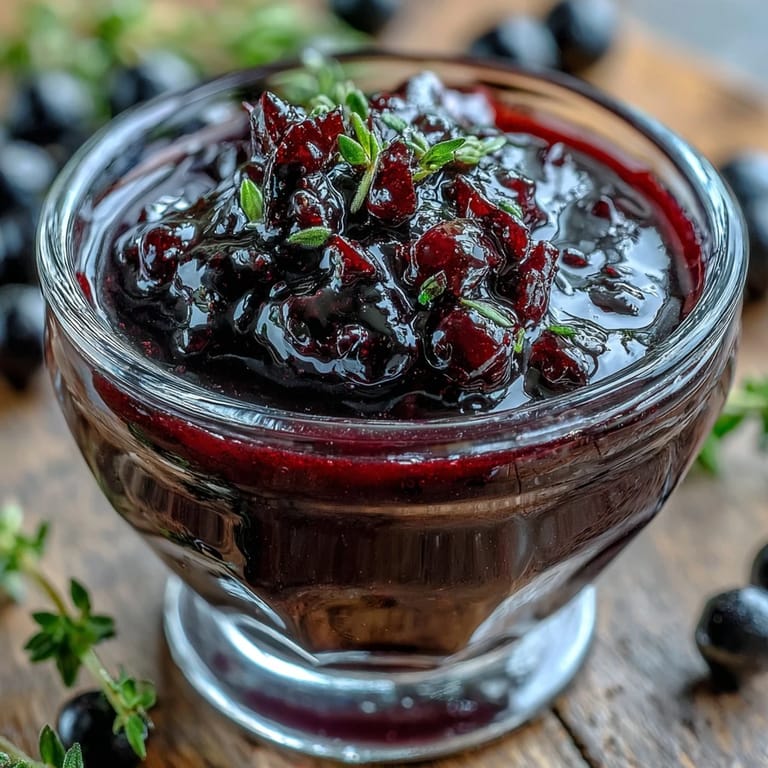
 There's something about serving this dressing that makes people pause and ask what they're tasting—it's that moment when a simple salad becomes a conversation. I've watched faces light up when the tartness hits their tongue followed by that round, almost floral aftertaste from the black currant.
What Makes Black Currant Special
Black currants aren't berries you see every day in American kitchens, which is part of what makes them exciting when you finally track them down. Their flavor sits somewhere between raspberry tartness, almost herbal undertones, and a slight earthiness that sounds complicated but tastes effortless. Once you taste a black currant vinaigrette, you stop thinking of salad dressing as something neutral and start seeing it as an ingredient that can elevate everything on the plate.
When to Use This Vinaigrette
Beyond simple green salads, this dressing finds its purpose in places where you want tart, sophisticated flavor. Roasted vegetables like beets, carrots, or Brussels sprouts become brighter and more complex under its influence, and grain salads with farro or quinoa suddenly feel restaurant-worthy rather than workaday. It also pairs beautifully with goat cheese—the tartness and creaminess create a balance that feels intentional and delicious.
Substitutions and Variations
If black currant juice proves impossible to find despite your best efforts, pomegranate or cranberry juice will echo the same tartness and color, though each brings its own personality to the dressing. You can also adjust the oil ratio if you prefer something sharper or more mellow—less oil keeps the acidity front and center, while more oil rounds everything out into something gentler. The beauty of this formula is that once you understand the balance, you can play with it.
- Swap in white wine vinegar for a lighter, more delicate taste.
- Add a small pinch of fresh thyme or tarragon if you want herbal notes dancing through the dressing.
- Strain the dressing through a fine mesh sieve if you prefer it smooth without visible shallot pieces.
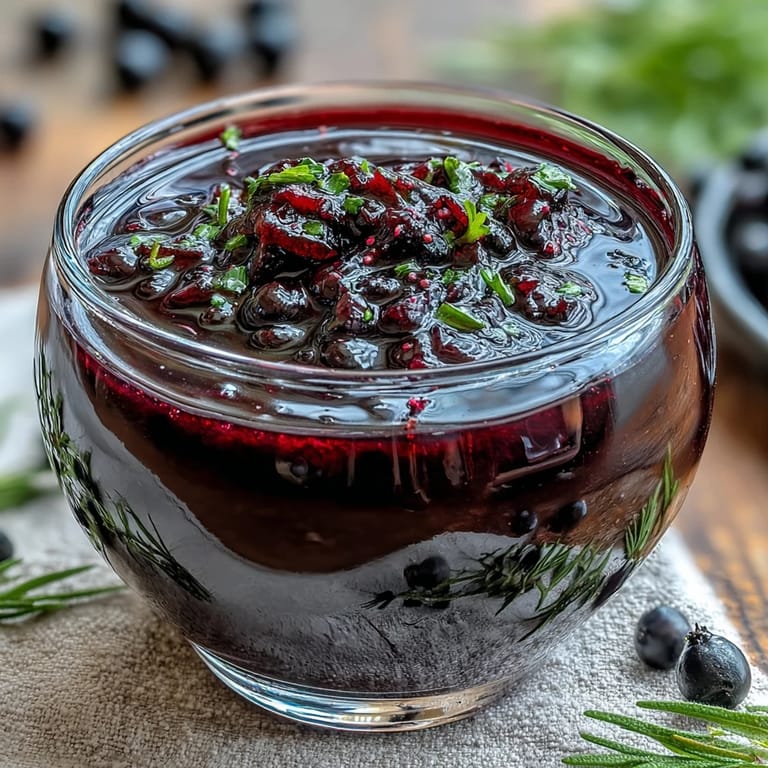 Pin It
 This vinaigrette lives in my fridge for weeks at a time, ready whenever I need to turn ordinary vegetables into something worth getting excited about. It's proof that the simplest recipes, made with intention and quality ingredients, become the ones you reach for again and again.
Recipe FAQs
- → How long does this vinaigrette last?
This dressing keeps well in the refrigerator for up to one week when stored in a jar with a tight-fitting lid. Shake vigorously before each use as the oil may separate slightly when chilled.
- → Can I use a different vinegar?
Absolutely. While red wine vinegar adds lovely depth, apple cider vinegar works beautifully and adds a slightly fruity note. White wine vinegar or champagne vinegar would also be excellent alternatives.
- → What if I can't find black currant juice?
Pomegranate juice or cranberry juice make excellent substitutes that maintain the tart, fruity profile. Both offer similar vibrant color and acidity levels that work well in this vinaigrette.
- → Is the sweetener necessary?
The honey or maple syrup is optional but recommended to balance the natural tartness of black currant juice. Start without it, taste, and add only if you feel the dressing needs a touch of sweetness to round out the flavors.
- → Why strain the dressing?
Straining through a fine mesh sieve removes the minced shallot pieces, creating a smoother, more elegant texture. This is purely a textural preference—the flavor remains the same whether strained or left rustic.
- → What salads pair best with this vinaigrette?
This vinaigrette shines over bitter greens like arugula or radicchio, complements spinach beautifully, and enhances the earthiness of roasted beets. It's also exceptional drizzled over grain salads with goat cheese or fresh herbs.