 Pin It
 The morning I first tried blending cottage cheese with scrambled eggs, my kitchen window was cracked open, letting in a breeze that carried the smell of wet grass. I wasn&apo;t sure what to expect – would it be creamy or rubbery Would it taste weird I remember being distracted by the rhythmic tapping of the whisk and the gentle sizzle of butter melting as I hesitantly combined the two. Turns out, that tiny experiment became a weekday favorite, especially when I wanted something filling but fast. The simple luxury of a warm, protein-packed breakfast felt like a little victory before the day even started.
One Sunday, I decided to make these for my roommate who was always skeptical about cottage cheese. We both leaned over the skillet, curious, and ended up in a laughing fit when I almost dropped a spatula mid-stir but managed to save it. When she tasted the eggs, her &aposwait, these are actually good&apos face said it all, and the recipe entered our joint breakfast rotation. Cooking it together became our weekend ritual whenever we missed home. Those casual brunches led to impromptu heart-to-hearts and our tiny kitchen felt just right.
Ingredients
- Eggs: Use fresh, large eggs for the fluffiest scramble; whisking them thoroughly helps incorporate air for softness.
- Cottage cheese: Go for low-fat if you want something lighter or full-fat for extra creaminess; adding it after whisking keeps the eggs tender.
- Unsalted butter: Melt gently for a rich, golden flavor and to help prevent sticking.
- Chives or green onions (optional): A sprinkle right at the end gives a fresh, bright lift and looks pretty on the plate.
- Salt and pepper: Season before cooking so the flavor infuses every bite; freshly cracked pepper makes a big difference.
Tired of Takeout? 🥡
Get 10 meals you can make faster than delivery arrives. Seriously.
One email. No spam. Unsubscribe anytime.
Instructions
- Whisk it up:
- Crack the eggs into a medium bowl, sprinkle in salt and pepper, and start whisking till the yolks and whites fully blend and you see some bubbles.
- Add the cottage cheese:
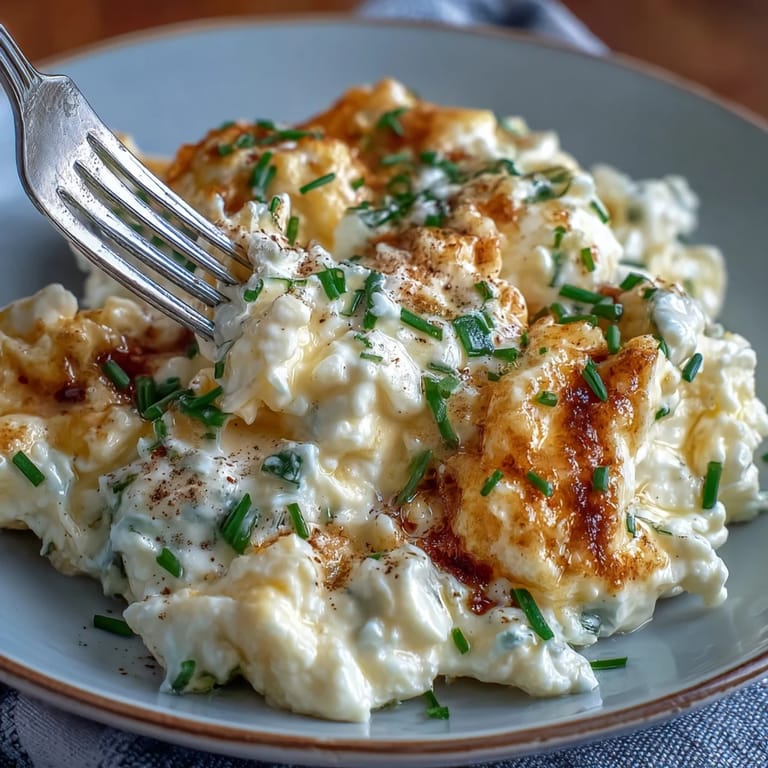
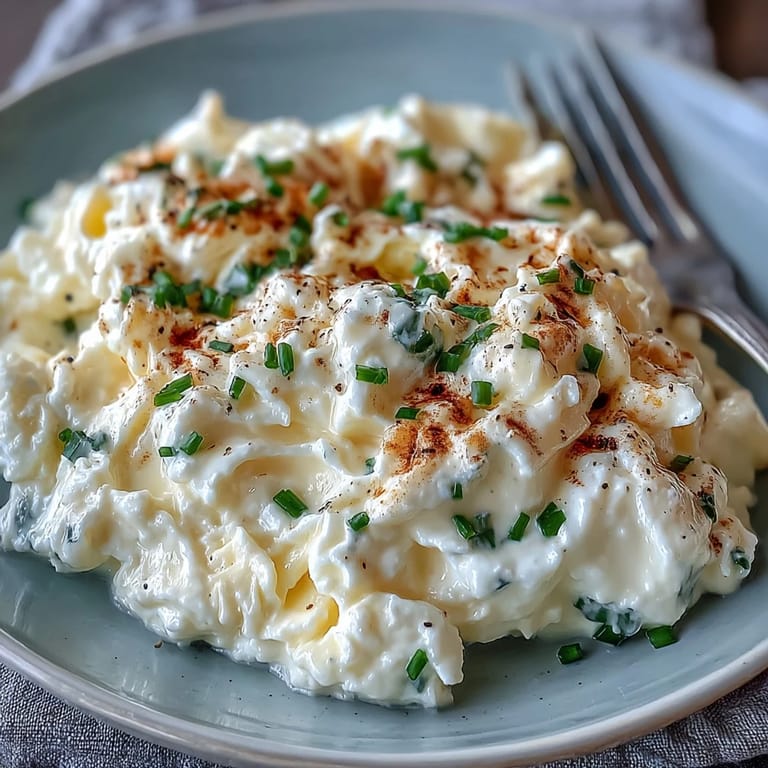
- Gently fold the cottage cheese into the eggs, watching the texture turn thicker and silkier.
- Melt the butter:
- Set your nonstick skillet over medium-low and listen for the first tiny sizzles as the butter melts to a glossy pool.
- Pour and stir:
- Pour the egg mixture into the skillet and use a spatula to slowly scrape from the edges to the center, letting creamy curds form.
- Perfectly set:
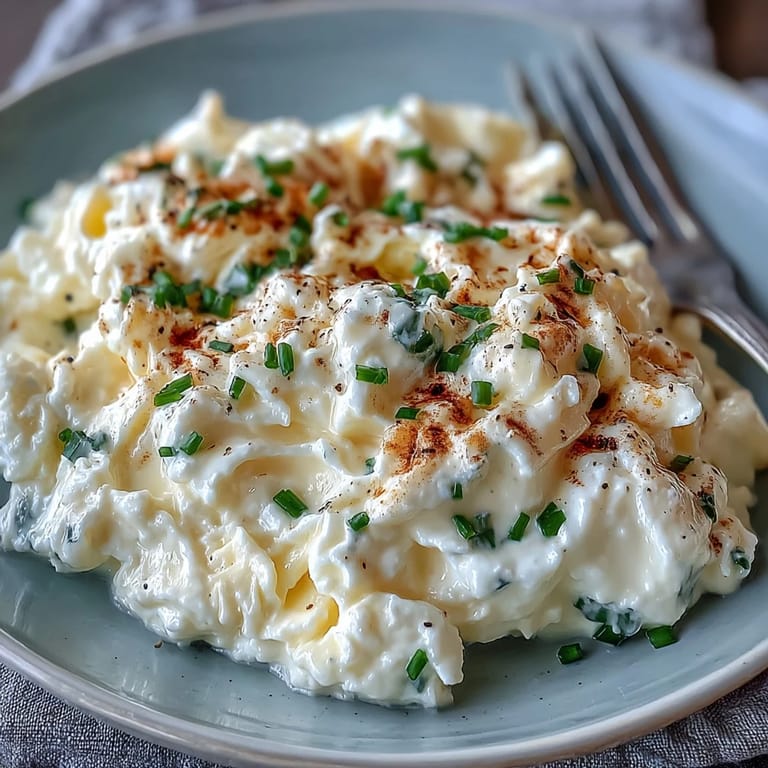
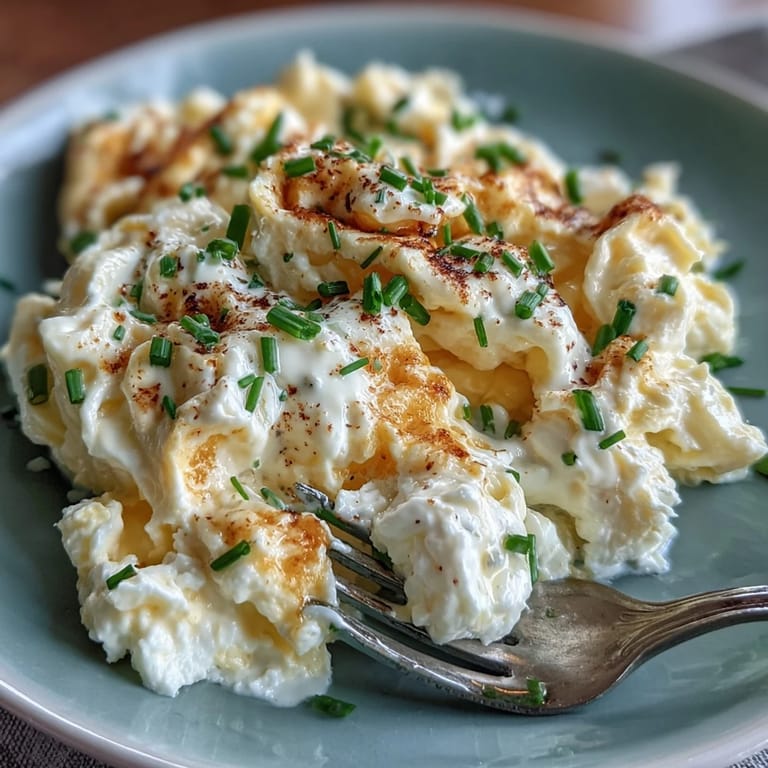
- Stay patient and keep stirring gently until the eggs are soft, moist, and just barely set, about 5–7 minutes.
- Final flourish:
- Immediately take off the heat, sprinkle with chives or green onions if you like, and serve hot before they lose their silkiness.
 Pin It
  Pin It
 I realized how versatile this scramble was when I whipped it up for a quick lunch, piled it over buttered toast, and ate it on the balcony with the city noise in the background. For a moment, that meal felt like a quiet comfort amid the rush, and I started making it whenever I wanted something both simple and special.
Creative Add-Ins for Every Mood
Once you nail the basic technique, adding in extras becomes irresistible. A handful of baby spinach wilts in perfectly while the eggs are soft, and the pop of smoked paprika changes the whole mood of the dish. Even tossing in a little cooked turkey or smoked salmon makes it hearty enough for a packed brunch.
Making It Your Own
Switching from full-fat to low-fat cottage cheese really changes the richness, but both are tasty in their own way – I like to tweak based on how indulgent I&aposm feeling. If you want to double the batch for a crowd, just use a larger skillet so the eggs still cook evenly and stay creamy.
A Few Tricks for Scrambled Egg Success
Keeping the skillet over medium-low heat is my constant reminder – when I get impatient, that&aposs when things go sideways. I keep my whisk right next to the stove so I can give the eggs one last quick beat for extra fluff. If you forget the herbs, don&apost fret – a bit of cracked pepper at the end works wonders too.
- Have all your ingredients ready before you start since eggs cook so fast.
- If you use silken tofu instead of cottage cheese, try adding a pinch more salt to boost flavor.
- Clean your skillet as soon as you&aposre done – nothing sticks as much as forgotten scrambled eggs.
 Pin It
  Pin It
 No matter how busy your day looks, this gentle twist on scrambled eggs always feels like a breakfast win. Cheers to simple upgrades and meals that make mornings brighter.
Recipe FAQs
- → How do I keep the scrambled eggs creamy and not dry?
Cook gently over medium-low heat and stir slowly with a spatula, scraping the pan as curds form. Remove from heat while still slightly soft; residual heat will finish setting the eggs for a creamy texture.
- → Does the cottage cheese fat content matter?
Yes. Full-fat cottage cheese yields a richer, silkier finish, while low-fat gives a lighter texture. Drain excess liquid if using very wet cottage cheese to avoid a runny scramble.
- → What are good mix-ins or flavor variations?
Try chopped chives, green onions, smoked paprika, baby spinach, diced cooked turkey, or smoked salmon. Add herbs and vegetables toward the end of cooking to retain color and texture.
- → Can I make a dairy-free version?
For a dairy-free swap, use silken tofu blended until smooth in place of cottage cheese and replace butter with a splash of olive oil; cook gently to mimic the creamy texture.
- → What cookware and temperature work best?
A nonstick skillet over medium-low heat and a heat-resistant spatula give the most control. Low, steady heat prevents overcooking and yields tender curds.
- → How should leftovers be stored and reheated?
Cool quickly, refrigerate in an airtight container for up to 2 days, and reheat gently in a skillet over low heat or briefly in the microwave to avoid drying out.