 Pin It
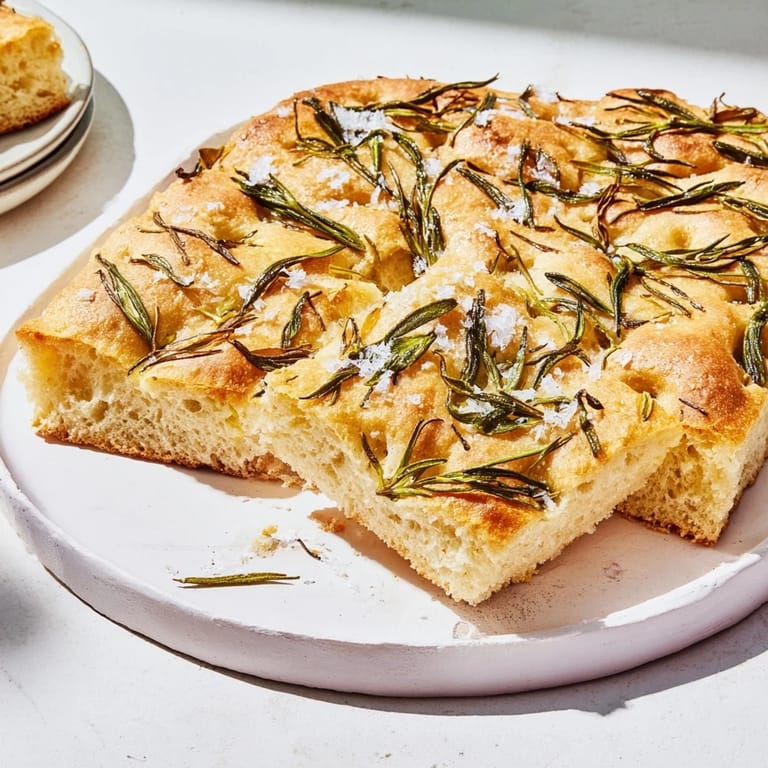
 I stumbled onto focaccia by accident one rainy Saturday when I had nothing but flour, yeast, and a bottle of olive oil in the pantry. The dough was wetter than any bread I'd made before, and I wasn't sure I'd done it right until that first golden sheet came out of the oven, crackling at the edges. The smell alone—rosemary, salt, warm oil—made my kitchen feel like a tiny corner of Liguria. I tore off a piece while it was still too hot to handle, and that crisp-soft contrast changed everything I thought I knew about homemade bread.
The first time I made this for friends, I panicked because the dough looked too wet and I nearly added more flour. I'm so glad I didn't—that sticky, glossy mass is exactly what gives focaccia its airy crumb. When I pulled it from the oven, we stood around the pan tearing off pieces with our hands, dipping them in balsamic and laughing at how quickly it disappeared. One friend said it tasted better than anything she'd had at a restaurant, and I knew this recipe was a keeper.
Ingredients
- Bread flour: The higher protein content gives focaccia its chewy, airy texture, and I've learned not to substitute all-purpose unless you're okay with a denser crumb.
- Instant dry yeast: This dissolves right into the flour without proofing, which saves time and eliminates the guesswork of whether your yeast is alive.
- Fine sea salt: It seasons the dough from within, and I always mix it with the flour first so it doesn't kill the yeast on contact.
- Extra virgin olive oil: This is not the place to use a bland oil—good olive oil adds fruity, peppery notes that soak into every dimple.
- Lukewarm water: Too hot and you'll kill the yeast, too cold and it won't rise, so I aim for bathwater warm and test it with my wrist.
- Fresh rosemary leaves: I strip them from the stem and chop them roughly so they release their pine-like fragrance as they bake.
- Flaky sea salt: The crunchy crystals on top are the final flourish, adding bursts of salinity that contrast with the soft, oily bread.
Tired of Takeout? 🥡
Get 10 meals you can make faster than delivery arrives. Seriously.
One email. No spam. Unsubscribe anytime.
Instructions
- Mix the dry ingredients:
- Whisk together the bread flour, yeast, and fine salt in a large bowl until everything is evenly distributed. This step prevents the salt from sitting directly on the yeast, which can slow down fermentation.
- Form the dough:
- Pour in the olive oil and lukewarm water, then stir with a wooden spoon until a shaggy, sticky dough comes together. It should look rough and wet, not smooth yet.
- Knead until elastic:
- Turn the dough onto a lightly oiled counter and knead for 8 to 10 minutes, pushing it away with the heel of your hand and folding it back. You'll feel it transform from sticky to smooth and springy.
- First rise:
- Place the dough in an oiled bowl, cover it with plastic wrap or a damp towel, and set it somewhere warm. In about an hour, it should double in size and feel puffy when you poke it.
- Prepare the pan:
- Line a baking sheet with parchment and drizzle it with a tablespoon of olive oil. This creates a crispy, golden bottom crust.
- Shape the focaccia:
- Transfer the risen dough to the pan and use your fingertips to gently press and stretch it toward the edges. Cover loosely and let it puff up again for 30 minutes.
- Preheat the oven:
- Set your oven to 220°C (430°F) so it's blazing hot when the dough is ready. A hot oven gives you that beautiful rise and crisp edges.
- Dimple and dress:
- Press your fingertips all over the dough to create deep dimples, then drizzle with olive oil and scatter rosemary and flaky salt on top. The oil will pool in the dimples and crisp up as it bakes.
- Bake until golden:
- Slide the pan into the oven and bake for 20 to 25 minutes, until the top is golden and the edges are deeply browned. The smell will tell you when it's close.
- Cool and serve:
- Let the focaccia cool on the pan for a few minutes, then slice it into squares. Serve it warm or at room temperature, and watch it vanish.
 Pin It
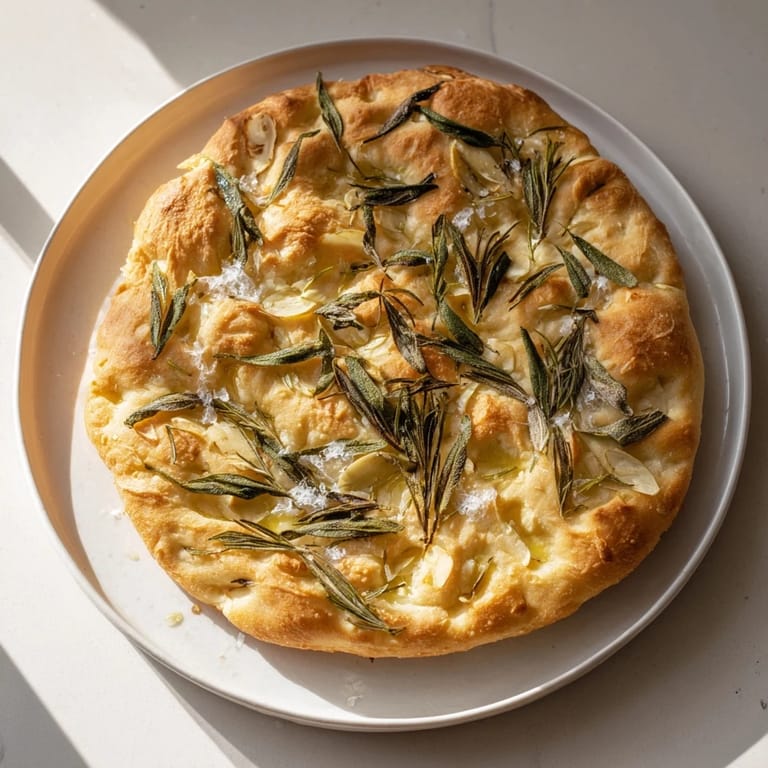
 One Sunday morning, I made focaccia and brought it to a neighbor who'd just had surgery. She told me later that the smell of rosemary and olive oil made her kitchen feel alive again, and she ate three pieces standing at the counter. That's when I realized this bread isn't just food—it's a small, edible gesture of care that tastes like comfort and warmth.
Variations to Try
I've pressed halved cherry tomatoes into the dough before baking, and they burst into sweet, jammy pockets that contrast beautifully with the salty crust. Sliced olives, caramelized onions, or even thin rounds of potato all work, and each version feels like a new discovery. Just make sure any toppings are patted dry so they don't add too much moisture to the dough.
Storage and Reheating
Focaccia is best the day it's baked, when the crust is still crisp and the inside is soft and fragrant. If you have leftovers, wrap them in foil and warm them in a low oven for a few minutes to bring back some of that just-baked texture. I've also toasted slices and used them as the base for open-faced sandwiches, and they held up beautifully.
Serving Suggestions
I love setting out a small dish of olive oil and balsamic vinegar for dipping, and watching people drag their focaccia through it until the plate is clean. It's also perfect alongside soup, salad, or a cheese board, and I've used it to soak up the juices from roasted vegetables or grilled meats. Sometimes I just eat it on its own, still warm, with nothing but my hands and a little butter.
- Pair it with a simple arugula salad dressed in lemon and Parmesan for a light meal.
- Use leftover focaccia to make sandwiches with mozzarella, tomatoes, and basil.
- Serve it as an appetizer at dinner parties—it always disappears first.
 Pin It
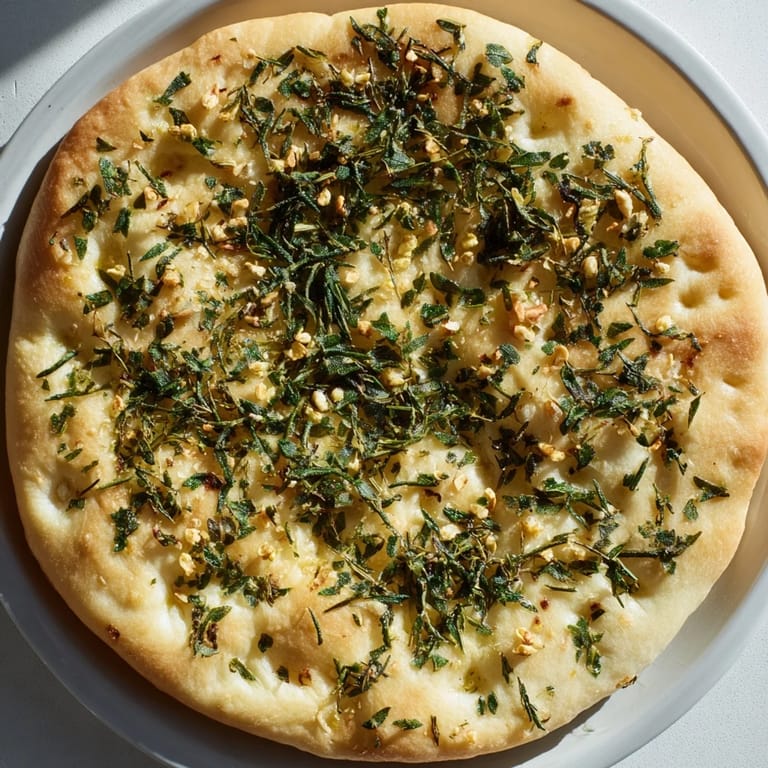
 This focaccia has become my go-to for lazy weekends, last-minute gatherings, and moments when I just want to make something beautiful with my hands. I hope it brings you as much joy as it's brought me.
Recipe FAQs
- → What type of flour works best?
Bread flour is ideal as it provides the gluten structure needed for a chewy, fluffy focaccia.
- → How long should the dough rise?
Allow the dough to rise twice: first about 1 hour until doubled, then 30 minutes after shaping.
- → Can I use dried rosemary instead of fresh?
Fresh rosemary gives the best aroma and flavor, but dried can be used in smaller amounts if needed.
- → What is the purpose of dimpling the dough?
Dimpling creates texture and helps hold olive oil and toppings evenly during baking.
- → How should focaccia be stored after baking?
Store at room temperature in an airtight container for up to two days. Reheat gently to regain crispness.
- → Can I add toppings before baking?
Yes, additions like cherry tomatoes or olives can be added before baking for extra flavor.