 Pin It
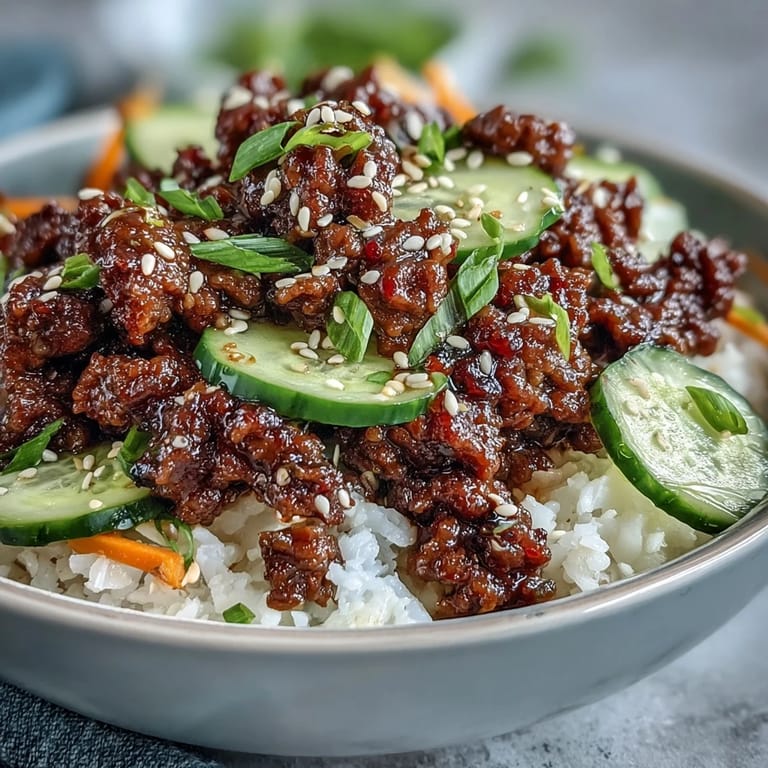
 My coworker brought leftovers of this Korean beef bowl to lunch one day, and I spent the entire afternoon asking questions instead of actually working. She laughed and said it took her maybe twenty minutes total, which felt like a magic trick given how restaurant-quality it tasted. That evening I raided my pantry, found gochujang hiding in the back, and suddenly understood why she'd been so smug about the whole thing. Now it's become my go-to when I need something that feels impressive but doesn't require me to spend hours in the kitchen.
I made this for a friend who claimed to hate anything spicy, and watching her go back for thirds while insisting it wasn't even hot was one of those quietly satisfying kitchen moments. The gochujang has this depth that sneaks up on you rather than attacking, and she ended up asking for the recipe before she left. Sometimes the best cooking victories are the quiet ones where someone changes their mind about what they thought they liked.
Ingredients
- Ground beef (1 lb): Use lean for less splatter and a cleaner sauce, though I've found that a bit of marbling keeps things from tasting too dry when it's cooking down.
- Gochujang (2 tablespoons): This Korean chili paste is the whole personality of the dish, so don't skip it or swap it—it has a sweetness and complexity that hot sauce just can't match.
- Low-sodium soy sauce (3 tablespoons): Regular soy sauce will oversalt everything, so the low-sodium version actually matters here, or use tamari if you're watching gluten.
- Brown sugar (2 tablespoons): It balances the spice and saltiness in a way that makes you keep tasting it, wondering what you're missing.
- Sesame oil (1 tablespoon): Don't use the cheap stuff—good sesame oil smells nutty and rich, and it's what makes this taste authentic instead of just spicy.
- Garlic and ginger (2 cloves minced, 1 teaspoon grated): Fresh is non-negotiable here; the aroma when these hit the hot pan is half the reason to make this dish.
- Rice vinegar (1 tablespoon): It adds a subtle brightness that keeps the sauce from feeling heavy or one-dimensional.
- Rice or cauliflower rice (4 cups cooked): Use whichever fits your mood—regular rice soaks up all that sauce beautifully, but cauliflower rice keeps things lighter if that's your preference.
- Fresh toppings (cucumber, carrot, green onions, sesame seeds): These aren't just decoration; they're textural contrast and freshness against the warm, spiced beef.
Tired of Takeout? 🥡
Get 10 meals you can make faster than delivery arrives. Seriously.
One email. No spam. Unsubscribe anytime.
Instructions
- Get your pan ready and brown the beef:
- Heat sesame oil in a large skillet over medium-high heat until it shimmers slightly and releases that nutty aroma. Add the ground beef and use a wooden spoon to break it into smaller pieces as it cooks, about 4-5 minutes total, until there's no pink left and it's starting to brown on the edges.
- Wake up the aromatics:
- Add your minced garlic and grated ginger, stirring constantly for just about a minute—you want them fragrant and mixed through, not browned or bitter. This is where your kitchen suddenly smells like a Korean restaurant in the best way.
- Build the sauce and let it settle:
- Stir in the gochujang, soy sauce, brown sugar, rice vinegar, and black pepper all at once, mixing until the sauce coats the beef evenly. Let it simmer gently for 2-3 minutes, stirring occasionally, until the sauce thickens slightly and becomes glossy instead of watery.
- Taste and adjust:
- This is your moment to add more salt, heat, or sweetness depending on what you're craving—no recipe is set in stone once you're actually cooking.
- Assemble your bowls:
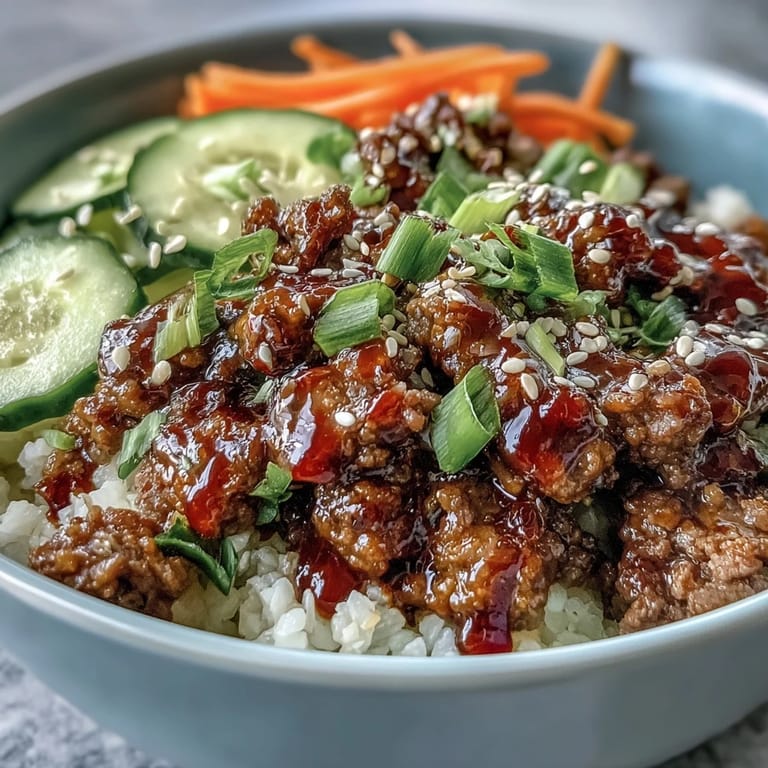
- Divide your rice or cauliflower rice among bowls and spoon the beef and sauce generously over the top. Don't be shy with it; that sauce is the whole point.
- Finish with fresh toppings:
- Layer cucumber slices, shredded carrot, sliced green onions, and a scatter of toasted sesame seeds over each bowl. If you want extra heat, add sliced chili or a spoonful of kimchi on the side.
 Pin It
 The best part of this dish is that it somehow feels both comforting and exciting at the same time—there's something about those bright fresh toppings against the warm spiced beef that makes your mouth happy. It's become my answer to "I don't know what to make" nights, which is really when you know a recipe has earned its place in your regular rotation.
Why This Works as a Weeknight Staple
Ground beef cooks faster than almost any other protein, which is why this whole thing can happen in less time than it takes to boil water for pasta. The sauce comes together from pantry staples you probably already have, and if you don't, gochujang is something worth keeping around anyway because suddenly everything you make tastes better. The real magic is that it feels restaurant-quality without requiring any special skills, just attention and fresh ingredients.
Playing with Heat and Flavor
Gochujang has this sweet undertone that makes it different from pure chili heat, so if you want to dial the spice up without losing that balance, a drizzle of sriracha or a sliced fresh chili works better than just using more gochujang. I once added a touch of white miso paste and suddenly the whole thing got this umami depth that made people stop and ask what was different. You can also swap ground turkey or chicken if you want something lighter, though the cooking time stays about the same.
Making It Yours
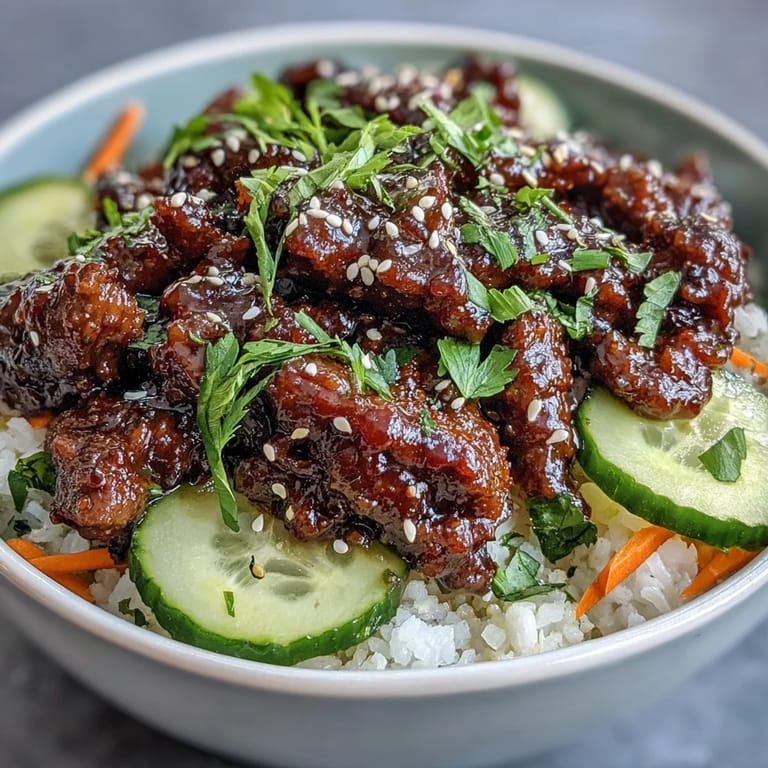
The beauty of a bowl is that everyone gets to customize it exactly how they want, which means no arguing about toppings or spice level at the dinner table. I've served this to people on cauliflower rice, regular rice, quinoa, even over roasted vegetables when I felt ambitious. The sauce carries all the flavor, so your base can be whatever makes sense for your day or your diet.
- If you make extra sauce on purpose, you can pour it over roasted vegetables the next day and have something that tastes completely different but equally good.
- Prep the vegetables ahead of time so assembly is literally just building bowls, which makes this an actual option for busy nights.
- Leftovers reheat beautifully, though the fresh toppings taste better added after reheating rather than sitting in the sauce overnight.
 Pin It
 This recipe taught me that sometimes the best meals are the ones that feel effortless because you've actually done the thinking ahead of time. Now it's the first thing I make when someone asks for an easy dinner that tastes like I tried way harder than I actually did.
Recipe FAQs
- → What does gochujang taste like?
Gochujang is a Korean fermented chili paste with a complex flavor profile combining sweet, savory, and spicy notes. It has a deep umami richness similar to miso but with a pleasant heat that builds gradually.
- → Can I make this ahead of time?
The beef mixture reheats beautifully and actually develops deeper flavors after resting. Store cooked beef separately from rice and toppings. When ready to serve, warm the beef gently over medium heat and assemble fresh bowls.
- → Is this dish very spicy?
The spice level is moderate and family-friendly. Gochujang provides warmth rather than overwhelming heat. For more intensity, add additional paste or sliced fresh chilies. For a milder version, reduce the amount and add more brown sugar.
- → What protein alternatives work well?
Ground turkey creates a lighter version while still absorbing all the bold flavors. Ground chicken or pork also work beautifully. For a vegetarian option, use crumbled tofu or tempeh, though you may want to increase the sauce ingredients for extra flavor.
- → Can I use other grains besides rice?
Absolutely. Quinoa, brown rice, or even noodles make excellent bases. For low-carb options, cauliflower rice, zucchini noodles, or shredded cabbage work perfectly while soaking up the delicious sauce.
- → What vegetables can I add?
Spinach, bean sprouts, shredded cabbage, or bell peppers complement the flavors beautifully. Quick-pickled radishes add authentic Korean flair. Any crisp vegetable that provides texture contrast works wonderfully.